Miley Cyrus’s new smile is everywhere right now—sharper, softer, and, as fans keep saying, “finally looks like her again.” It’s a subtle transformation that completely changes how her face catches the light. For homeowners, there’s an unexpected parallel: the windows you choose can do the same for your home. Not loud. Not obvious. But transformative in the way light, proportion, and personality come together.
Just as cosmetic dentistry carefully balances form and function—bite alignment, facial harmony, long-term durability—high‑end window selection is less about a quick cosmetic fix and more about architectural identity. The right window types won’t just “look nice”; they’ll make your home feel like itself again, in a way you may not realize you’ve been missing.
Below, five exclusive, design‑driven insights into window types inspired by this viral “new smile” moment—crafted for homeowners who expect more than just glass in a frame.
1. From Overdone to Effortless: Choosing Window Profiles That Don’t “Try Too Hard”
Fans say Miley’s new smile works because it feels less exaggerated and more natural to her features. The same tension exists in window design: oversized grilles, aggressively trendy black frames, or hyper‑modern walls of glass can age quickly if they’re not in harmony with the architecture.
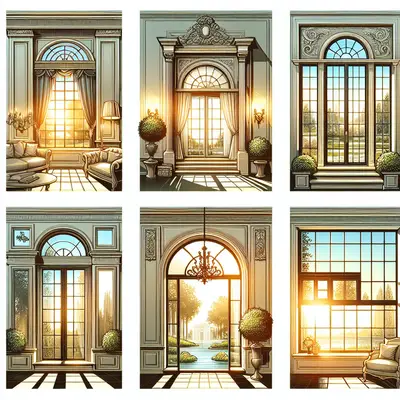
For traditional homes, consider slim‑profile double‑hung or casement windows with minimally expressed muntins that echo the original proportions rather than overpower them. In modern spaces, fixed picture windows paired with lean casements can deliver dramatic expanses of glass without veering into “office building” territory. Focus on sightline thickness (the visual width of the frame and sash) and mullion spacing; these details determine whether a façade feels quietly curated or visually overfilled. Just as a well‑proportioned smile doesn’t shout, beautifully chosen window types should feel inevitable, not performative.
2. Light as a Luxury Material: Matching Window Types to the Way You Live
Miley’s updated look isn’t just about teeth; it’s about how light now plays across her face in interviews, performances, and red carpets. Your home, too, has a public side and a private side—and each deserves its own light strategy.
In formal living rooms or entertaining spaces, large picture windows framed by operable casements give you gallery‑like, uninterrupted views with the option of discreet ventilation. In kitchens—where task lighting and fresh air matter more—tilt‑and‑turn or awning windows placed higher on the wall can flood countertops with natural light while keeping sight lines to a minimum. Bedrooms benefit from quieter, more controlled illumination: pairing taller double‑hung windows with transoms above the headboard wall can pull light deeper into the room without compromising privacy. Treat sunlight not as a given, but as a luxury material you’re sculpting through your choice of window types, orientation, and proportion.
3. Subtle Structural Enhancements: When Operable Types Become Architectural Jewelry
Miley’s new smile is being praised for nuance—tiny tweaks you only notice when you look closely, yet they change the overall impression entirely. Premium window types can do something similar: operability that reads like bespoke detailing rather than mere function.
Casement windows with concealed hinges and minimalist hardware create a nearly frameless effect when closed, ideal for contemporary homes that value clean lines. Tilt‑and‑turn windows, long favored in high‑end European design, function as two windows in one—tilting inward at the top for gentle ventilation or swinging open like a door for maximum airflow and egress. In upper‑floor studies or lounges, a single oversized tilt‑and‑turn can become an “interior balcony” of light and air. Even classic double‑hung windows can be elevated through weight‑and‑pulley designs that echo historic craftsmanship, turning a familiar type into an expressive nod to the home’s lineage. The right operable type feels less like a hinge and more like jewelry: purposeful, precise, and undeniably intentional.
4. Performance Behind the Glamour: Why Glass Choices Matter as Much as Frame Style
Any dentist will tell you: a beautiful smile that doesn’t function well is a liability. Likewise, a striking window configuration that ignores performance—comfort, acoustics, energy efficiency—can disappoint quickly, especially in premium homes where expectations are high.
When evaluating window types, pair style decisions with glass strategy. Large fixed picture windows can be stunning in a living room, but without low‑E coatings tuned to your climate, they may overheat the space or fade furnishings. In busy urban or rapidly developing suburbs, consider laminated or triple‑pane glass in bedrooms and home offices—even in classic double‑hung or casement formats—to soften exterior noise without changing the architectural language. South‑ and west‑facing windows might benefit from selective solar‑control coatings, while north‑facing elevations can prioritize clarity and color accuracy. The most sophisticated homes now treat glass specifications the way stylists treat red‑carpet lighting: controlled, deliberate, and quietly engineered for comfort.
5. Future‑Proof Elegance: Selecting Window Types That Age as Gracefully as a Curated Image
Miley’s “finally looks like herself again” moment resonates because it suggests longevity—this isn’t a stunt; it’s a look that can carry her into the next decade. High‑end homeowners should demand the same from their window selections.
Instead of chasing fleeting trends, choose window types that align with your home’s architectural DNA and can accommodate future upgrades. For example, a disciplined rhythm of tall casement windows on a modern façade can later accept upgraded glass packages or integrated shading without altering the exterior composition. On historic homes, maintaining classic double‑hung proportions while moving to high‑performance wood‑clad or fiberglass frames preserves character while elevating comfort and durability. Think in terms of a 20‑ to 40‑year horizon: will these window types still feel correct when landscaping matures, neighbors renovate, and your own interior style evolves? The most successful designs, like the most successful celebrity reinventions, feel less like a trend and more like a return to authenticity.
Conclusion
Miley Cyrus’s new smile is a reminder that refinement is often about alignment—between identity and appearance, between who you are and how you’re seen. Your windows occupy that same threshold for your home: they mediate between interior life and exterior presence, between private comfort and public impression.
Choosing window types at a premium level isn’t about chasing novelty; it’s about orchestrating light, proportion, and performance so your home “finally looks like itself again.” When you select each window type with that standard of precision, the transformation may be as quietly dramatic as a viral before‑and‑after—only this time, it’s your rooms, your views, and your everyday rituals that step into a better light.
Key Takeaway
The most important thing to remember from this article is that this information can change how you think about Window Types.