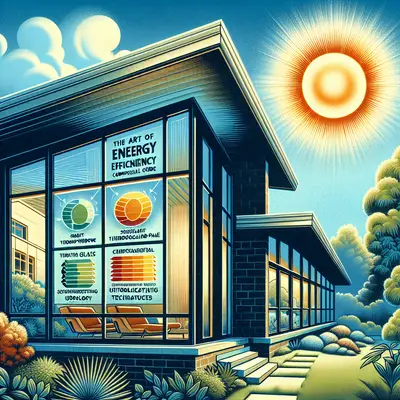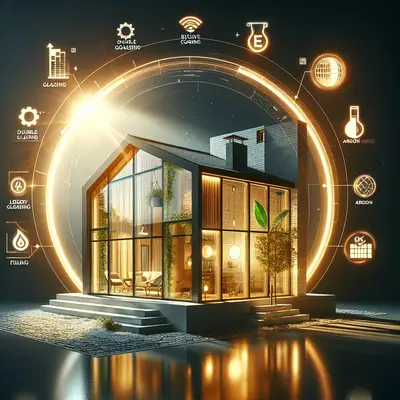
Energy efficiency is often discussed in stark numbers—U-factors, SHGC values, insulation ratings. Yet for discerning homeowners, the story is far richer. The right window upgrades do more than reduce utility bills; they refine the atmosphere of a home, quiet the outside world, and subtly choreograph light and comfort throughout the day. Energy performance, executed well, feels less like a technical achievement and more like a curated experience.
Below are five exclusive, often-overlooked insights that elevate window efficiency from a pragmatic decision to a statement of quiet luxury.
1. The Energy “Signature” of Glass: Why Two Identical Windows Can Feel Different
On paper, many high-end windows appear similar—double or triple pane, low-E coating, gas fill. In practice, however, the glass package defines the energy character of your home in surprisingly nuanced ways.
Beyond basic low-E coatings, advanced glazing can be precisely tuned to your climate and orientation. South- and west-facing façades may benefit from spectrally selective coatings that block harsh infrared heat while preserving luminous, clear daylight. North-facing elevations, meanwhile, may use glass with slightly higher solar heat gain to passively “borrow” warmth in colder months.
What many homeowners don’t realize is that these micro-decisions change how a room feels at 3 p.m. in August or 7 a.m. in January. Done correctly, you notice fewer blinds pulled shut in midafternoon, less need to “chase” comfortable spots in the house, and a more stable, gentle indoor climate that feels calm rather than constantly compensating.
When you speak with a window professional, move the discussion beyond “double vs. triple pane” and ask for a glass configuration tailored to each façade of your home. You are not just buying windows; you are selecting the thermal and visual signature of every room.
2. Invisible Comfort: The Way Efficient Windows Change How You Use a Room
Energy-efficient windows are often measured by what they save. A more luxurious way to evaluate them is by how they change behavior inside the home.
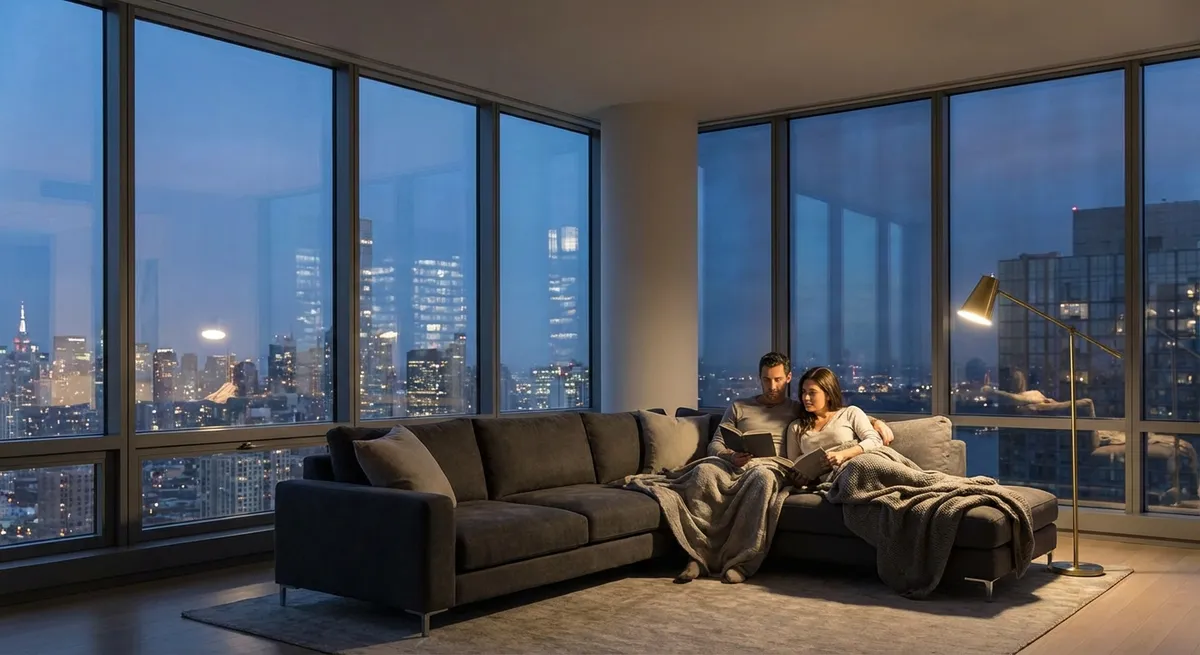
With inferior glazing, there’s often a “comfort halo” around windows—areas you instinctively avoid in winter because of drafts, cold glass, and radiant chill. High-performance frames and glass erase that invisible barrier. Suddenly, the reading chair can live right beside a floor-to-ceiling window in January without a fleece blanket. A breakfast nook bathed in morning light no longer feels overheated by 9 a.m. in July.
This is not just about insulation; it’s about radiant temperature balance. Well-designed windows minimize the contrast between glass temperature and room air, so the entire space feels evenly temperate. Your HVAC system works less, but more importantly, the room works harder—more usable corners, more inviting seating, more natural connection to the view.
If you’re evaluating a quote, ask: How will these windows change where in this room I’ll actually want to sit during the hottest and coldest weeks of the year? The most refined solutions aren’t merely efficient; they re-open spaces you’ve unconsciously abandoned.
3. Precision Daylighting: Energy Savings Hidden in the Quality of Light
Daylight is often treated as an aesthetic bonus, but from an energy standpoint, it is one of the most underrated tools of a high-performance home. Premium windows use the physics of light to reduce the need for artificial lighting without inviting thermal penalties.
Sophisticated low-E coatings and high visible transmittance (VT) glass can deliver generous, crisp daylight while filtering out invisible heat. In practice, that means your home can feel bright enough to work, read, or entertain during daytime without flipping a switch—yet stay noticeably cooler on hot days.
For homeowners who appreciate nuance, look beyond “energy efficient” as a checkbox and ask for:
- Glass with a high VT but low SHGC for sun-exposed façades, to maximize natural light while moderating heat gain.
- Thoughtful frame design with slimmer sightlines, which increases actual glass area—and thus natural light—without compromising performance.
- Coating selection that respects color rendering, maintaining faithful, neutral daylight rather than the muted or slightly tinted look of cheaper alternatives.
The result is an interior that feels deliberate: no harsh glare demanding shades at midday, and no dim, over-filtered light that forces lamps on at noon. In the most successful projects, you don’t consciously notice the efficiency; you simply recognize a home that feels “right” at every hour.
4. The Quiet Partnership Between Windows and HVAC
Premium windows do not work in isolation—they collaborate with your mechanical systems. For a sophisticated home, the goal is not just to trap conditioned air, but to allow a smaller, smarter HVAC system to perform at its best.
Upgraded windows can significantly reduce peak heating and cooling loads. For homeowners engaging in a more comprehensive renovation or new build, this can translate into:
- The opportunity for a smaller-capacity HVAC system, often quieter and more precise.
- Longer, gentler operating cycles that avoid the “blast of hot or cold air” dynamic common in leaky, uneven homes.
- Better compatibility with high-end solutions such as variable-speed heat pumps or zoned systems, which thrive in well-sealed, well-glazed environments.
The most refined energy upgrade strategy aligns window specs with HVAC design rather than treating them as separate purchases. In some cases, slightly higher investment in advanced glazing can enable a more minimalist mechanical design—fewer ducts, smaller equipment, less visual and acoustic intrusion.
When planning, ask your design or HVAC professional to model your home’s performance both with and without the proposed window upgrades. The true elegance lies not simply in lower monthly bills, but in a home whose climate systems work so quietly and seamlessly that you almost forget they exist.
5. Longevity as Luxury: The Time Horizon of Energy-Efficient Windows
There is a form of luxury that is not ostentatious but deeply reassuring: knowing that a major choice will age gracefully, technically and aesthetically.
High-performance windows, when thoughtfully specified, are part of that long view. While they command a premium over builder-grade options, their value unfolds over decades in several subtle but important ways:
- Stable comfort throughout changing climate conditions, from more frequent heat waves to colder snaps.
- Preserved furnishings and finishes, as modern coatings reduce UV-related fading of fabrics, art, and flooring.
- Improved envelope resilience, as better seals and frames reduce the risk of condensation, mold, and damage around openings.
- Sustained property desirability, as buyers increasingly prioritize verified efficiency and performance.
When reviewing options, don’t just compare the immediate price. Consider the 15- to 25-year horizon: How will these windows perform as energy codes tighten, energy prices fluctuate, and expectations for indoor comfort continue to rise?
True energy elegance is not about chasing the lowest upfront cost. It’s about selecting a window solution that will still feel quietly impressive—thermally, acoustically, and visually—long after trends in hardware finishes and façade colors have shifted.
Conclusion
Energy-efficient windows are often sold as a technical upgrade, but for the discerning homeowner, they are an experiential one. They reshape how rooms are used, how light moves through the day, and how gently your mechanical systems can do their work. Their benefits play out in the details: the absence of drafts, the comfort of a chair by the glass in winter, the way late afternoon light feels generous but never punishing.
When you approach window upgrades through this lens—seeking tailored glass packages, balanced daylight, integrated HVAC performance, and long-term resilience—you move beyond mere efficiency. You curate a home where energy performance is not loudly advertised, but quietly felt in every refined, comfortable moment spent indoors.
Sources
- U.S. Department of Energy – Energy-Efficient Windows – Overview of window technologies, ratings, and strategies for improving efficiency
- Efficient Windows Collaborative (National Fenestration Rating Council) – Detailed explanations of U-factor, SHGC, and climate-specific window selection
- Lawrence Berkeley National Laboratory – Windows & Daylighting – Research on advanced glazing, daylighting, and building energy performance
- U.S. Environmental Protection Agency – ENERGY STAR Windows, Doors, and Skylights – Criteria and benefits of certified high-performance fenestration products
Key Takeaway
The most important thing to remember from this article is that this information can change how you think about Energy Efficiency.