Each holiday season, lifestyle feeds fill up with “under $20 upgrades” and clever little fixes that promise to make life feel just a bit more elevated. Viral lists—like Bored Panda’s trending roundup of toys “under $20 that look way more expensive”—tap into a familiar desire: understated luxury that punches above its price tag. The same instinct is driving a quiet revolution in home design right now, especially around windows. Homeowners are increasingly looking for upgrades that feel indulgent but deliver serious, measurable performance—most notably in energy efficiency.
While social media is busy debating which inexpensive gift looks the most luxe, energy‑savvy homeowners are asking a different question: Which visible elements of my home can quietly work like high-end technology in the background, lowering bills, stabilizing comfort, and elevating the aesthetic—without screaming for attention? That is precisely where today’s advanced window systems excel. They may not go viral like a clever toy, but in terms of long-term value, they are the ultimate “looks like a luxury, behaves like an asset” upgrade.
Below are five exclusive, timely insights for discerning homeowners evaluating energy‑efficient window upgrades right now—designed for those who expect both performance and polish.
The New Luxury: Invisible Thermal Technology Behind Clear, Elegant Glass
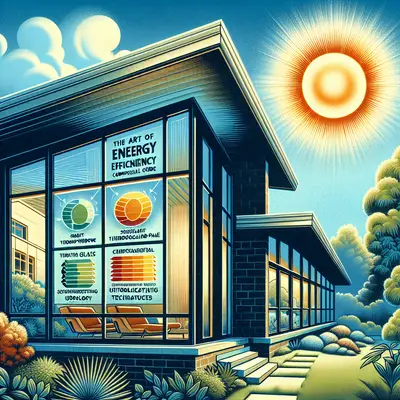
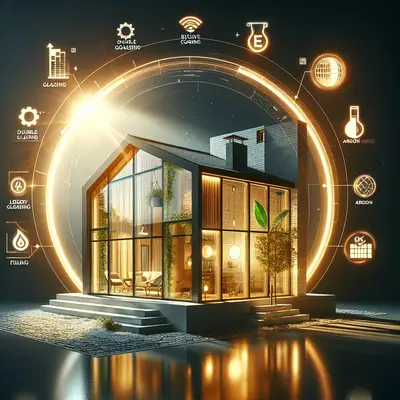
In the same way those under‑$20 toys are praised for looking more expensive than they are, the most sophisticated energy‑efficient windows today conceal serious technology behind a refined, minimalist appearance. Modern low‑emissivity (low‑E) coatings, invisible to the naked eye, are now engineered in multiple spectrally selective layers. Top manufacturers—such as Andersen, Marvin, and Pella—offer glass packages that can simultaneously admit generous natural light while reflecting heat energy to keep your interiors temperate year‑round.
What makes this timely is how these coatings intersect with current energy trends. With electricity prices and grid strain in the news, especially during climate‑driven heat waves and cold snaps, windows are no longer just a design decision—they’re an energy strategy. High‑performance glass can reduce heat loss in winter and limit solar heat gain in summer so that your HVAC system doesn’t have to fight as hard. The effect is subtle but profound: rooms feel calmer, temperatures more consistent, and drafts become a memory. You still see crisp, clear glass and elegant frames, but behind that clarity is an ultra-thin, high‑tech finish doing the quiet work of a premium appliance.
Comfort Is the New Status Symbol: Thermal Zoning for Everyday Living
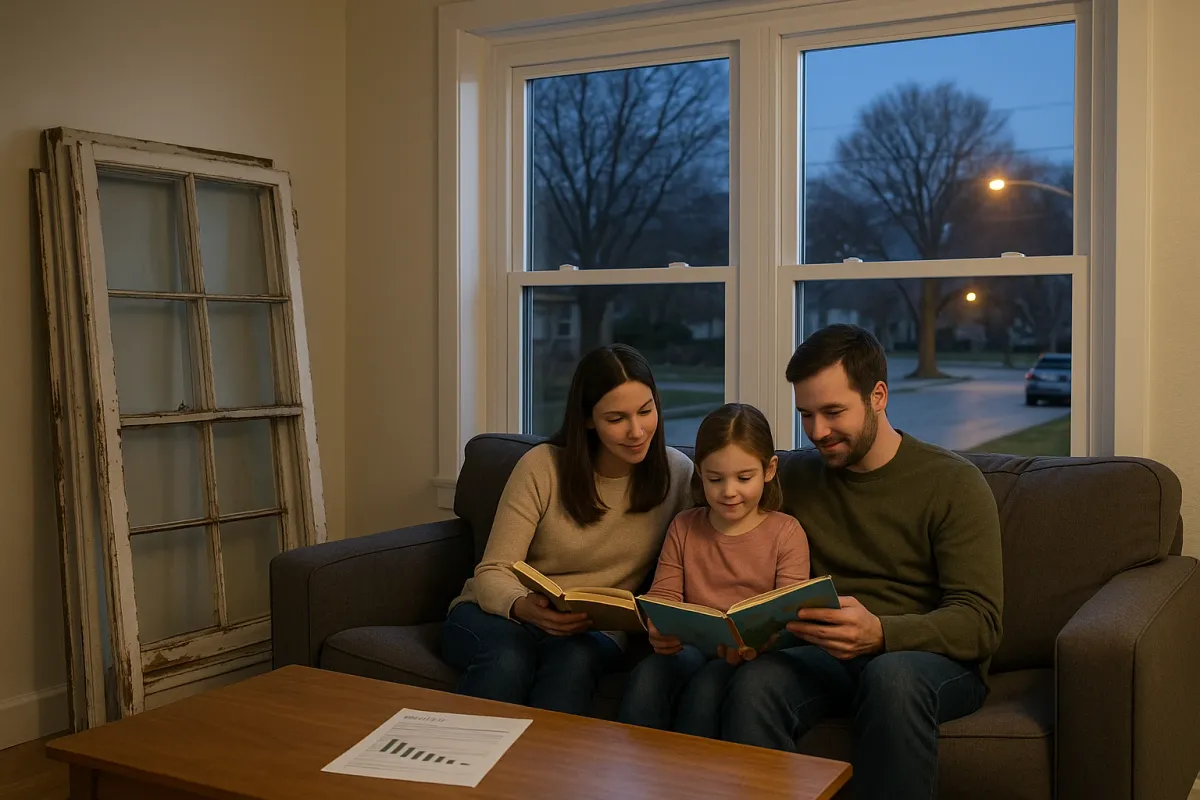
Online, people are increasingly sharing “everyday luxury” rituals—perfect coffee setups, curated reading nooks, sunlit home offices. What these posts rarely mention is the single element that often makes or breaks these spaces: thermal comfort. A gorgeous corner is useless if it becomes an icebox in January or an oven in July. Energy‑efficient windows are emerging as the discreet infrastructure behind these aspirational moments.
Triple‑pane or advanced double‑pane units with argon or krypton gas fills act as a thermal buffer, eliminating the cold‑wall effect near glass and limiting radiant chill or glare. The result is that you can comfortably place a reading chair right beside a window in January, or a desk near a southern exposure in August, without relying on space heaters or blackout shades. This kind of “thermal zoning” allows you to use more of your square footage more of the time, turning previously marginal areas into prime living real estate. In a world where we work from home more than ever, this is not a minor upgrade—it is a qualitative shift in how your home functions.
Precision Framing: How Slim Profiles and Quality Materials Elevate Both Efficiency and Style
While mass‑market decor trends focus on color palettes and accessories, the premium design conversation has moved toward proportion, line, and framing. In fenestration, that translates to slender, high‑strength frames that maximize glass and view while still delivering top‑tier thermal performance. The old assumption—that “efficient” necessarily means bulky or utilitarian—is being overturned by a new generation of window systems.
Composite and fiberglass frames from brands like Marvin’s Ultrex or Andersen’s Fibrex, for example, offer excellent thermal stability, low expansion and contraction, and a slim, architecturally clean profile. When coupled with insulated glass units, these frames reduce thermal bridging while achieving a decidedly modern, gallery‑like aesthetic. For traditional homes, finely milled wood interiors with aluminum‑clad exteriors achieve a similar balance of performance and elegance, resisting weather outside while presenting rich warmth indoors. The energy story and the design story are now the same story: carefully engineered materials that keep conditioned air where it belongs and make the envelope of your home feel intentionally crafted, not merely assembled.
Daylight as a Design Tool: Reducing Energy Use Without Sacrificing Mood
We live in an era where people are increasingly aware of the psychological benefits of daylight; social media is full of “before and after” room transformations driven primarily by natural light. Yet, behind those aspirational photos is a very real energy conversation. Properly specified, energy‑efficient windows allow you to rely less on artificial lighting while also avoiding the overheating and glare that made earlier, single‑pane expanses uncomfortable.
Advanced glazing options with tuned visible light transmittance (VT) values allow you to retain a bright, airy interior while cutting down on excessive solar gain. When paired with smart orientation choices—larger, high‑performance units on north and east elevations; more shaded, selectively glazed openings on west and south—your windows become an active participant in your home’s energy strategy. The immediacy of this is felt every month on your utility bill, but it’s also experienced emotionally: more rooms you want to be in during the day, fewer blinds perpetually drawn, and an overall sense that your home’s interior and exterior are in dialogue rather than in conflict.
Resale, Regulation, and Reputation: Why High‑Performance Windows Are Today’s Quiet Power Move
Lists of “cheap upgrades that look expensive” dominate lifestyle news cycles this time of year because appearance is easy to share and quantify. Yet buyers in today’s market—especially in sophisticated urban and suburban segments—are asking more technical questions: How old are the windows? What’s the insulation value? Are there drafts? With conversations around net‑zero homes and stricter building codes appearing more frequently in mainstream news, energy performance has moved from niche concern to mainstream expectation.
Installing high‑performance windows now allows your home to anticipate these shifts instead of simply reacting to them. Energy‑efficient units with strong NFRC ratings and reputable brand pedigrees function as a quiet signal of care and foresight in a listing, much like a well‑maintained European automobile in a private garage. They also align with the broader cultural movement toward sustainability—not as a loud statement piece, but as part of a coherent, responsible envelope. For the discerning homeowner, this is less about chasing trends and more about quietly future‑proofing the property while enjoying immediate reductions in operating cost and immediate improvements in everyday comfort.
Conclusion
While the internet is currently enamored with small, clever upgrades that “look more expensive than they are,” the most meaningful luxuries often work in silence. Energy‑efficient windows belong in that category: visually refined, technically advanced, and persistently impactful. They stabilize your home’s comfort in an increasingly unstable climate, calm your energy bills in a volatile market, and enhance the way light, temperature, and space interact in every room.
For homeowners who appreciate both design and performance, upgrading windows is less a renovation and more a redefinition of how the home feels and functions. In a world saturated with quick fixes and fleeting trends, they remain one of the rare upgrades that are as intelligent as they are beautiful—and that continue to pay dividends long after the latest viral list has been forgotten.
Key Takeaway
The most important thing to remember from this article is that this information can change how you think about Energy Efficiency.