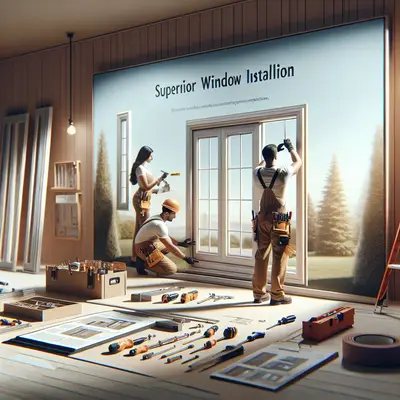
The most exquisite windows in the world can be rendered ordinary by a careless install. Conversely, a meticulously executed installation can make even a modest unit feel elevated, quiet, and assured. For homeowners pursuing a refined upgrade rather than a routine replacement, the installation itself becomes the hidden luxury—an orchestration of details that determines how your windows will look, feel, and perform for decades.
Below, we explore how truly premium installation is conceived, executed, and verified—and share five exclusive, often-overlooked insights that discerning homeowners consistently value.
Installation as an Extension of Architectural Intent
In sophisticated homes, window installation is not a simple swap of old for new; it is a continuation of the architecture’s original narrative. The relationship between frame, wall, light, and line is as important as the glazing specification. Premium installers study more than rough openings: they observe how the sun moves across the façade, how shadows fall, and how sightlines relate to adjacent rooms and outdoor features.
Mounting depth, reveal thickness, and the subtle alignment between trim and casings all influence the perceived quality of the window. An experienced installer will refine the placement within the wall—slightly adjusting in or out—to optimize thermal performance and reduce condensation risk, especially in high-performance envelopes. The outcome is a window that appears to belong to the home’s architecture, not merely occupy a hole in the wall.
The Quiet Science Behind a Seamless Fit
Beneath the clean lines and elegant profiles lies a careful interplay of materials that must expand, contract, and shed water without complaint. Premium installation treats the wall as a system, not a backdrop. The selection and layering of tapes, sealants, flashings, and backer rods is orchestrated to manage air, moisture, and vapor in a way that aligns with the climate and construction of the home.
A refined installer understands that different wall assemblies—solid masonry, double-stud framing, exterior insulation, or historic plaster—require distinct strategies. They will tailor flashing details to ensure water is directed out and away, not merely blocked. The result is not just a draft-free sash; it is a stable, dry wall assembly that preserves finishes, protects insulation, and safeguards structural elements from hidden moisture damage.
Five Exclusive Insights Discerning Homeowners Value
Beyond the usual promises of “energy savings” and “better comfort,” sophisticated homeowners tend to appreciate subtler, high-impact details in the installation process. These five insights can guide a more elevated dialogue with your installer.
1. Frame Tuning for Acoustic and Thermal Balance
Most homeowners focus on the glass; fewer ask how the frame-to-wall junction is tuned. A refined install will consider acoustic performance and thermal continuity simultaneously. Techniques such as using density-appropriate insulation around the frame, decoupling the window from the most vibration-prone surfaces, and choosing the right sealant elasticity can noticeably reduce traffic noise and wind whistle.
This tuning extends to hardware calibration—properly adjusted locks and hinges ensure even gasket compression. That compression is what maintains the acoustic and thermal envelope at the window perimeter. Over time, a well-tuned frame will resist warping and maintain its quiet, solid close, preserving the sense of calm and quality in the room.
2. Micro-Alignment of Sightlines and Shadow Gaps
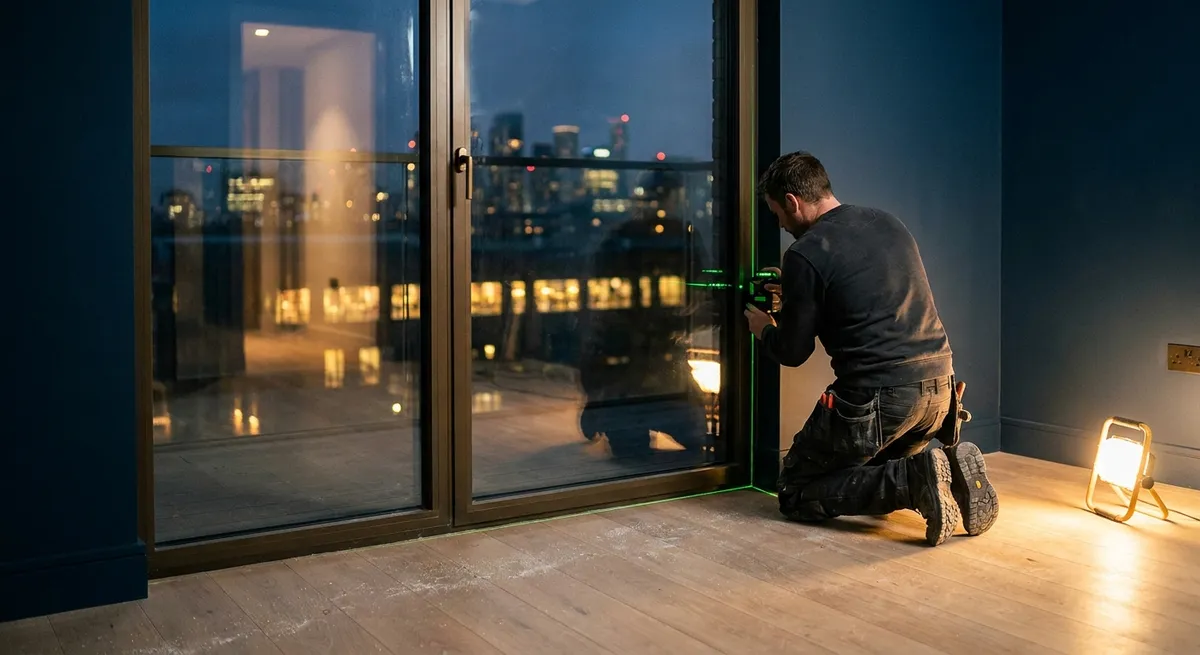
In premium interiors, the human eye notices misalignments of just a few millimeters. Sophisticated installation treats window placement as a visual discipline, not just a structural one. Installers can subtly align mullions with interior architectural features—paneling seams, stair lines, kitchen cabinetry, or art walls—to create a sense of continuity.
Shadow gaps—the small, deliberate recesses between casings, sills, and adjacent finishes—are managed with particular care. Clean, consistent reveals around the window frame signal craftsmanship in the same way as tight joinery in custom millwork. This micro-alignment transforms windows into integrated design elements rather than standalone objects.
3. Climate-Responsive Flashing and Air-Sealing Strategy
A truly tailored installation respects regional climate and building science. In cold climates, installers may prioritize interior air sealing and vapor control to prevent warm, moist indoor air from condensing within the wall. In hot-humid climates, the strategy often reverses—protecting against moisture migration from the exterior and solar-driven vapor.
A premium contractor will explain which products they’re using (butyl tape vs. acrylic flashing, vapor-open vs. vapor-closed membranes) and why those choices align with your climate and wall assembly. This climate-responsive detailing reduces the risk of condensation, mold, and premature material degradation, ensuring the windows age gracefully alongside the home.
4. Structural Nuance: Managing Load, Deflection, and Movement
Large, contemporary expanses of glass require more than brute-force framing. Subtle structural decisions—how loads are transferred, where headers bear, and how the wall anticipates movement—play a quiet but crucial role in keeping windows operating smoothly.
A refined installation will account for differential movement between new window units and existing structures, especially in older homes or those with mixed materials (steel, timber, masonry). Proper shimming, anchoring, and the use of non-corrosive fasteners ensure that as the building settles and seasons change, sashes still glide, locks still engage cleanly, and gaskets remain evenly compressed.
5. Performance Verification as Part of the Experience
In luxury environments, assurance matters as much as appearance. Beyond a simple visual check, high-caliber installers may conduct blower-door-assisted diagnostics or localized air-leak testing at window perimeters. Even basic, low-tech methods—thermal imaging on a cold day, smoke pencil tests around frames—can reveal whether the installation is as tight and consistent as promised.
Homeowners who request a brief, documented performance verification report gain a valuable baseline: photographs of flashing layers before they’re concealed, confirmation of fastener placement, and notes on any site-specific adaptations. This creates not just peace of mind, but an asset for future maintenance, renovations, or resale discussions.
Curating the Right Installation Partner
Selecting windows is only half of the investment; choosing an installer is the part that protects it. A premium partner will be as comfortable discussing vapor profiles and substrate conditions as they are hardware finishes and trim details. They should welcome pre-installation walkthroughs, where they highlight potential challenges—uneven openings, historic moldings, or complex claddings—and propose thoughtful solutions.
Indicators of a refined professional include: familiarity with manufacturer installation guidelines for your specific units, experience integrating with high-performance building envelopes, and a willingness to coordinate with your architect or designer. References should speak not only to punctuality and cleanliness, but to long-term performance: windows that still close with a soft, authoritative click years later, with no drafts, no staining, and no mysterious cold corners.
Elevating Everyday Living Through Invisible Craft
When executed with rigor and artistry, window installation becomes almost invisible—and that is precisely the point. You notice the calm, not the caulk. You register the clarity of the view, not the complexity of the flashing hidden behind the trim. The rooms feel quieter, the temperatures more even, the finishes more composed.
For homeowners who value refinement, the installation is where technical excellence meets daily experience. By insisting on precision, climate-aware detailing, and performance verification, you transform windows from a simple “upgrade” into a lasting architectural enhancement—one that quietly affirms, season after season, that quality was not merely specified, but truly delivered.
Sources
- Efficient Window Coverings and Installations – U.S. Department of Energy - Provides federal guidance on window upgrades, installation considerations, and performance impacts
- InstallationMasters Certification Program – American Architectural Manufacturers Association (AAMA) - Outlines best practices and training standards for professional window and door installers
- High-Performance Windows: Design and Installation – Lawrence Berkeley National Laboratory - Research-based insights on window performance and how installation details affect energy and comfort
- Moisture Management in Walls and Windows – Building Science Corporation - Explores building science principles behind flashing, air sealing, and condensation control around openings
- Residential Building Envelope Best Practices – U.S. EPA ENERGY STAR - Covers recommended methods for sealing and insulating building envelopes, including window interfaces
Key Takeaway
The most important thing to remember from this article is that this information can change how you think about Installation.