When Gwendoline Christie stepped onto the British Fashion Awards red carpet with a towering, textural hairstyle that viewers quickly dubbed a “new home for lice,” the internet did what it does best: it obsessed, dissected, and turned a single visual into a viral talking point. The look was theatrical, excessive, and deliberately provocative—every strand styled for maximum drama. Within hours, X (formerly Twitter) and Instagram were saturated with close‑ups, hot takes, and slow‑motion clips.
It’s a spectacle worth pausing on—not for the drama itself, but for what it mirrors in our homes. Like couture hair, our windows are often treated as a purely aesthetic choice: something to frame, dress, and photograph. Yet in an era of rising energy prices and tightening building standards, treating windows as “just” a visual statement is a luxury that quietly drains your wallet. In the same way Christie’s look sparked a debate over form versus function, today’s window technology is forcing a new conversation: can we have avant‑garde design and disciplined energy efficiency, without compromise?
Below are five exclusive, timely insights for homeowners who want their next window upgrade to feel less like a costume—and more like a bespoke, high‑performance investment worthy of a front‑row seat in 2025’s energy transition.
1. The “Red Carpet Effect”: Your Windows Are Already Being Judged by Invisible Audiences
Christie’s viral appearance at the British Fashion Awards underscores a modern truth: everything is being evaluated in real time, often by people you’ll never meet. Your home is no different. While no one is live‑tweeting your double‑hung sash, regulators, utilities, and appraisers are quietly reassessing how building envelopes contribute to national energy use. Across the US and Europe, tightening energy codes and incentives—such as evolving ENERGY STAR criteria and escalating utility rebates for high‑performance glazing—are making inefficient windows less a quirk of charm and more a liability.
For homeowners, this invisible audience matters because it shapes resale value, insurance risk profiles, and future compliance costs. A visually flawless, architecturally faithful window that hemorrhages heat will age about as gracefully as a viral meme: quickly, and in public. By contrast, specifying windows with low U‑factors, low solar heat gain coefficients (SHGC), and certified performance labels positions your home on the right side of a rapidly shifting narrative. What reads as a discreet pane of glass today may, within a few years, be the difference between a home that feels current and one that feels energetically obsolete.
2. High‑Drama Hair, Low‑Drama Bills: Why Advanced Glazing Is the New Quiet Luxury
While fashion watchers debated whether Christie’s sculptural hair was genius, grotesque, or both, luxury brands in another industry were making subtler headlines: window and glass manufacturers quietly pushing out next‑generation insulated glazing units (IGUs) and coatings that can cut energy loss dramatically. Think of these as the haute couture of building envelopes—technology you rarely see, but feel every day.
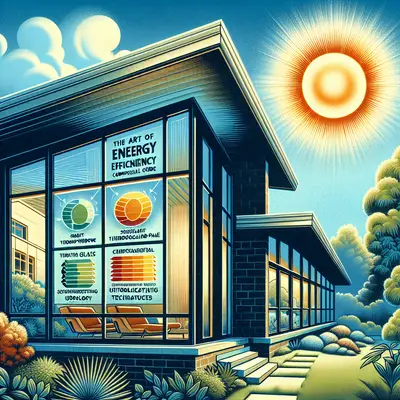
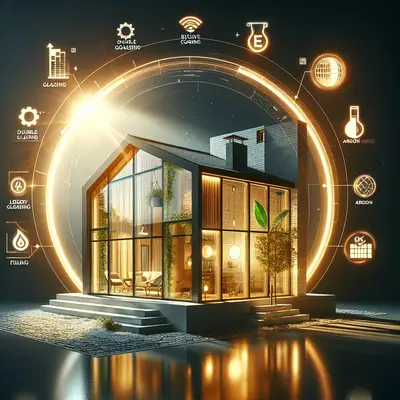
Modern high‑performance windows pair multiple panes of glass with inert gas fills (typically argon or krypton) and ultra‑thin low‑emissivity (low‑E) coatings that selectively manage heat and UV transmission. The result: interiors that feel composed and consistent, with fewer temperature swings near glass, less fading of furnishings, and a perceptibly quieter soundscape. In premium lines from major manufacturers, you now see triple glazing, “seasonally tuned” low‑E stacks, and warm‑edge spacer systems that curb condensation at the frame edge.
The key insight for homeowners contemplating an upgrade now is timing: as global energy volatility and climate policies intensify, yesterday’s “upgrade” glazing is fast becoming tomorrow’s baseline. Specifying advanced glass today is akin to buying the custom, hand‑finished gown rather than the mass‑produced imitation. The silhouette may look similar from a distance, but the lived experience—the way your space feels at 6 a.m. in February or 4 p.m. in August—is dramatically different.
3. From Viral Texture to Vapor Control: Frames Are the Hidden Architecture of Comfort
The joke about Christie’s hair being a “new home for lice” was crude, but it unintentionally nailed something important: volume and structure are everything. Hair doesn’t hold that kind of form without deliberate architecture beneath the surface. The same is true of your windows. Glazing earns the headlines, but your frame material and construction quietly determine how much of that performance you actually keep.
Aluminum frames, ubiquitous in older and mid‑market builds, are notorious thermal conductors. Unless thermally broken with advanced profiles, they behave like elegant, minimalist radiators—leaking heat in winter and admitting it in summer. By contrast, modern fiberglass, insulated wood, and high‑quality composite frames offer dramatically better thermal resistance while retaining slim, refined sightlines. Premium aluminum systems now incorporate sophisticated thermal breaks and multi‑chamber designs, marrying sleek aesthetics with serious efficiency.
For homeowners, the exclusive edge is in specifying frames as intentionally as you choose hardware or finishes. Ask about frame U‑values, thermal breaks, and condensation resistance, not just color and profile. In a world where indoor humidity management is becoming a health and durability concern, the right frame can mean the difference between pristine, dry interior sills and subtle, recurring condensation that quietly degrades finishes and encourages mold. The most elegant window is the one that stays visually pristine because its underlying engineering never lets moisture or temperature swings become a storyline.
4. Social Media Obsession, Thermal Reality: Orientation Matters More Than You Think
The internet’s fixation on one angle of Christie’s look—the back, the side profile, the top—points to a deeper truth about perception: angle changes everything. In building science, that principle has very real thermal consequences. The orientation of your windows relative to the sun and prevailing winds can amplify or neutralize their energy performance, regardless of how premium the product is.
South‑ and west‑facing glass can be an asset or a liability depending on your climate and glass selection. In cooling‑dominated regions, high SHGC glass on a west facade is the energetic equivalent of pointing a spotlight at your thermostat and daring it to keep up. In heating‑dominated regions, carefully controlled solar gain through the right glazing can offset winter heating loads and create a pleasant, sunlit interior that feels deliberately curated rather than overheated.
The sophisticated move in 2025 is to treat window orientation and specification like a lighting designer treats angles and color temperature: holistically. Pair lower SHGC glass with strategic shading on solar‑exposed elevations; lean into higher SHGC options where winter gains are welcome. Work with a designer or energy consultant who can produce basic modeling, even for a single room renovation. Instead of one‑size‑fits‑all glass, you end up with a tuned façade—a series of views that are not just beautiful on camera, but thermally composed across seasons.
5. Beyond the Viral Moment: Future‑Proofing for a Decade of Rising Standards
Christie’s hair will live on in screenshots long after awards season has faded. In the same way, the window decisions you make in the next year will echo across at least a decade of utility bills, comfort, and resale positioning. Globally, policymakers are moving toward stricter building performance standards, from Europe’s tightening directives on building renovations to aggressive US state‑level codes that are steadily inching toward net‑zero ready envelopes.
This trajectory has a direct, practical implication: installing merely code‑minimum windows today is akin to buying a smartphone that will no longer accept updates in two years. It will function, but it won’t feel current, and it may become a liability faster than you expect. Future‑proofing means specifying windows that comfortably exceed today’s minimums—targeting U‑factors, SHGC values, and air‑leakage ratings in line with high‑performance or passive‑leaning envelopes, even if the rest of your home isn’t yet at that level.
For discerning homeowners, the payoff is threefold: you insulate yourself against future energy price shocks, you position your home favorably against emerging performance disclosure norms, and you enjoy a daily experience—quiet, draft‑free, visually refined—that feels more boutique hotel than burdensome asset. The viral moments fade; the quality of your light, silence, and comfort does not.
Conclusion
Gwendoline Christie’s headline‑grabbing appearance at the British Fashion Awards reminds us how quickly a purely aesthetic statement can dominate the conversation. Yet in our homes, the most enduring luxury is not spectacle—it is serenity. A meticulously chosen window system is the antithesis of a viral stunt: its success lies in how little you notice it on a stormy night, during a heatwave, or in the stillness of early morning.
As energy efficiency becomes a central thread in both policy and design discourse, windows are no longer just frames for the view; they are instruments of performance, comfort, and quiet status. Approach your next upgrade with the same selectivity a stylist brings to a red‑carpet moment—attentive to structure, proportion, and long‑term impact. The result is a home that looks effortlessly composed while working relentlessly, and almost invisibly, in your favor.
Key Takeaway
The most important thing to remember from this article is that this information can change how you think about Energy Efficiency.