Energy efficiency in a refined home is rarely about harsh compromises. When executed with care, it feels almost invisible—an atmosphere of quiet comfort, balanced light, and effortless temperature control that simply “feels right.” For discerning homeowners, window upgrades are not merely about reducing utility bills; they are about orchestrating a more controlled, luxurious interior environment where performance is as elegant as the architecture itself.
What follows are five exclusive, often-overlooked insights that reveal how thoughtfully specified windows can elevate both energy efficiency and the overall experience of your home.
1. The Art of Thermal Zoning, Not Just Insulation
Conventional advice frames energy-efficient windows as better insulation, full stop. In a sophisticated home, the story is more nuanced: it is about thermal zoning—using window performance to sculpt distinct yet harmonious microclimates throughout the residence.
By carefully varying glazing performance across façades, you can:
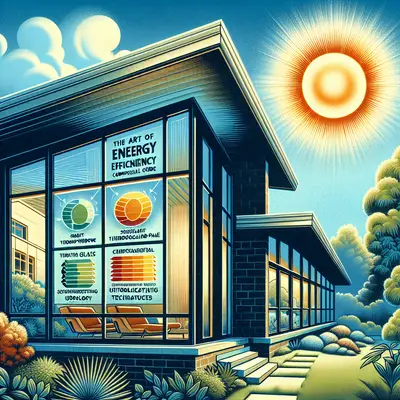
- Keep south- or west-facing rooms luminous without overheating through selective low-E coatings and solar heat gain control.
- Preserve a cooler, more contemplative ambiance in libraries, media rooms, and bedrooms with higher-performance glass and more robust frames.
- Maintain consistent comfort across rooms with substantially different exposures, avoiding the jarring transition from a sun-struck living room to a chilly hallway.
Rather than specifying identical units everywhere, a refined approach treats each elevation as part of an integrated thermal composition. The result is an interior that feels naturally tempered, with fewer drafts, less reliance on mechanical cooling or heating, and a more enveloping sense of comfort.
2. Glass as Climate-Tailored Technology, Not a Generic Upgrade
Many window projects stall at simplistic metrics like “double vs triple-pane” or “low-E vs clear.” For a truly elevated home, the glass package becomes a carefully tuned technology stack—quietly tailored to your local climate, your façade orientation, and even your interior finishes.
Advanced selections might include:
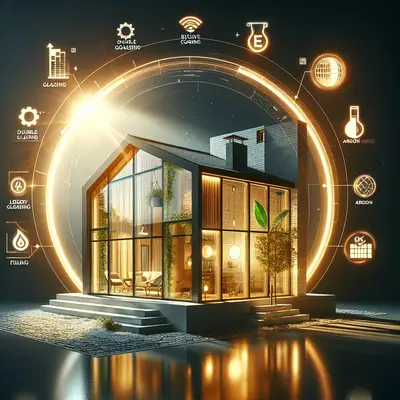
- Regionally tuned low-E coatings that modulate solar heat differently for cold, mixed, or hot climates, achieving an ideal balance of passive heat gain and glare control.
- Warm-edge spacers within insulated glass that reduce thermal bridging at the perimeter of each pane, keeping glass surfaces closer to room temperature and improving comfort near large windows.
- Gas fills (such as argon or krypton) that further reduce heat transfer without changing the visual character of the glass.
- Spectrally selective tints that preserve luminous clarity while filtering infrared heat, ideal for expansive glazing that should remain bright yet thermally disciplined.
These are not decorative flourishes—they are performance levers. When a glazing strategy is defined with the same specificity as a lighting plan or bespoke millwork, energy efficiency becomes an intrinsic property of the glass, not an afterthought.
3. Refined Frames: The Quiet Influence of Material and Profile
The glass may receive most of the attention, but the frame is where a surprising amount of thermal performance—and visual luxury—is decided. High-end design often gravitates toward ultra-slim sightlines and expansive spans; the challenge is to deliver that elegance without surrendering efficiency.
Considerations that matter for the cultivated home:
- Thermally broken aluminum and hybrid frames: These preserve slender profiles and structural strength while incorporating non-conductive barriers that interrupt heat transfer, dramatically improving performance over standard metal frames.
- Engineered wood interiors with high-performance exteriors (fiberglass, aluminum-clad, or composite): This pairing delivers tactile warmth and refined detailing inside, with durable, low-maintenance performance outside.
- Profile design and air sealing: Precision-engineered compression seals, multi-point locking, and well-designed sashes reduce infiltration—eliminating the subtle drafts that can undermine an otherwise superb envelope.
The most sophisticated frames do not advertise their complexity; they feel solid, close with a gentle firmness, and maintain a near-seamless thermal barrier between inside and out—an essential foundation for any energy-conscious luxury space.
4. Daylight as a Passive System, Not Just an Aesthetic Choice
Abundant daylight is often discussed as an aesthetic virtue, but for a performance-focused home, it is also a strategic energy asset. Windows that are planned for luminous efficiency can reduce lighting loads significantly, while preserving a serene and glare-free ambience.
Subtle yet powerful tactics include:
- Balancing visible light transmission (VLT) so interiors feel bright during the day without resorting to artificial lighting, while still filtering excessive solar gain.
- Pairing glazing with architecturally integrated shading—such as overhangs, fins, or recessed openings—that allow generous winter light while tempering summer intensity.
- Layered interior shading (sheers and blackout treatments) that complement the performance of the glass, allowing you to modulate light and heat with almost theatrical precision throughout the day.
The result is a home that uses daylight as a silent ally in its energy strategy: soft, even illumination that reduces dependence on fixtures, aligns with circadian comfort, and reinforces a sense of quiet luxury.
5. Precision Installation as a Performance Luxury
In elevated residences, the quality of installation is as critical as the specification of the windows themselves. Fine-tuned energy efficiency is easily compromised by imprecise workmanship, leaving a high-investment product underperforming its potential.
A premium, performance-minded installation should emphasize:
- Meticulous integration with the building envelope, including continuous air and weather barriers that align seamlessly with window frames—avoiding hidden leaks and heat loss at the perimeter.
- High-grade insulating materials around the opening that are properly sized, not over-compressed or loosely fitted, preserving both energy performance and acoustic serenity.
- Rigorous testing and verification, such as blower-door tests and infrared imaging, to validate that the real-world installation meets the performance implied by product labels.
When installation is treated as a craft rather than a commodity, windows cease to be isolated objects and become fully integrated components of a highly controlled, comfortable indoor environment—one where energy efficiency feels less like a technology and more like a natural property of the architecture.
Conclusion
Elegant energy efficiency is never loud. In a thoughtfully upgraded home, it manifests as stable temperatures, hushed interiors, and daylight that feels carefully composed rather than incidental. The most successful window projects operate at this intersection of restraint and performance: glass tuned to climate, frames engineered for thermal integrity, daylight leveraged as a passive system, and installation executed with forensic precision.
For homeowners who view their residence as a long-term, curated asset, these subtleties are not optional—they are the difference between ordinary upgrades and a truly elevated window experience that quietly refines daily life while preserving resources and reducing operational costs for years to come.
Sources
- U.S. Department of Energy – Energy-Efficient Windows – Overview of window technologies, coatings, gas fills, and frame materials that impact efficiency
- Efficient Windows Collaborative – Window Selection Guidance – Detailed guidance on climate-appropriate glazing, frame choices, and performance metrics
- Lawrence Berkeley National Laboratory – Windows and Daylighting – Research on advanced window systems, daylighting strategies, and whole-building performance impacts
- National Renewable Energy Laboratory – High-Performance Windows – Technical insights on emerging window technologies and their role in building energy use
- International Energy Agency – Energy Efficiency in Buildings – Context on how high-performance windows contribute to overall building energy efficiency globally
Key Takeaway
The most important thing to remember from this article is that this information can change how you think about Energy Efficiency.