Energy efficiency is no longer a technical footnote in home design; it is a quiet mark of discernment. For homeowners contemplating window upgrades, the conversation has moved beyond “new versus old” glass. The true question is how precisely your windows choreograph light, temperature, and comfort—season after season—without calling attention to themselves.
When executed thoughtfully, a window upgrade becomes less a renovation and more a re-tuning of the home’s internal climate. Below, you’ll find five exclusive, often-overlooked insights that separate ordinary replacements from truly exceptional, energy-aware glazing decisions.
The Thermal Envelope as a Design Instrument
A refined window upgrade begins with a clear understanding of your home’s thermal envelope—the boundary between interior comfort and exterior climate. Instead of treating windows as isolated products, think of them as critical notes in a larger composition involving walls, insulation, roofing, and mechanical systems.
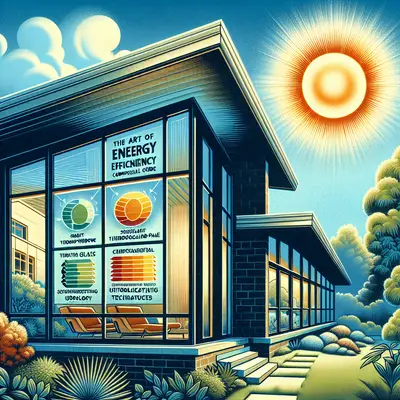
High-performance windows with low U-factors (indicating reduced heat transfer) and well-calibrated solar heat gain coefficients (SHGC) can drastically reduce the workload on heating and cooling equipment. But the value lies in how they interact with your specific climate and architecture. In colder regions, for example, carefully chosen windows can harvest passive solar warmth on south-facing elevations while shielding against unwanted loss on the north. In warmer climates, the goal may be rigorous control of solar gain, allowing views and daylight without importing heat.
A sophisticated approach means moving beyond a single “energy-efficient” label and considering how glazing, frame material, and installation details integrate with the overall building envelope. The result is something you feel before you ever see it: a home whose temperature remains remarkably even, with less reliance on mechanical correction.
Invisible Comfort: Managing Microclimates Around the Glass
Most homeowners notice drafts; few recognize the subtler microclimates created by mediocre glazing. Stand next to an older window in winter and you may feel a cool “curtain” descend, even when air isn’t moving. That sensation is radiant heat loss and convective circulation conspiring to undermine comfort.
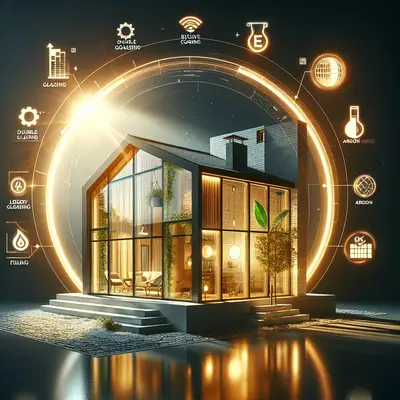
Premium, energy-efficient windows work to smooth out these microclimates. Multi-pane insulated glass units, low-emissivity (low‑E) coatings, warm-edge spacers, and inert gas fills (argon or krypton) all contribute to moderating surface temperatures of the glass. When the interior pane more closely matches the room’s ambient temperature, the body no longer perceives that subtle chill, and the perception of comfort increases dramatically—even at a lower thermostat setting.
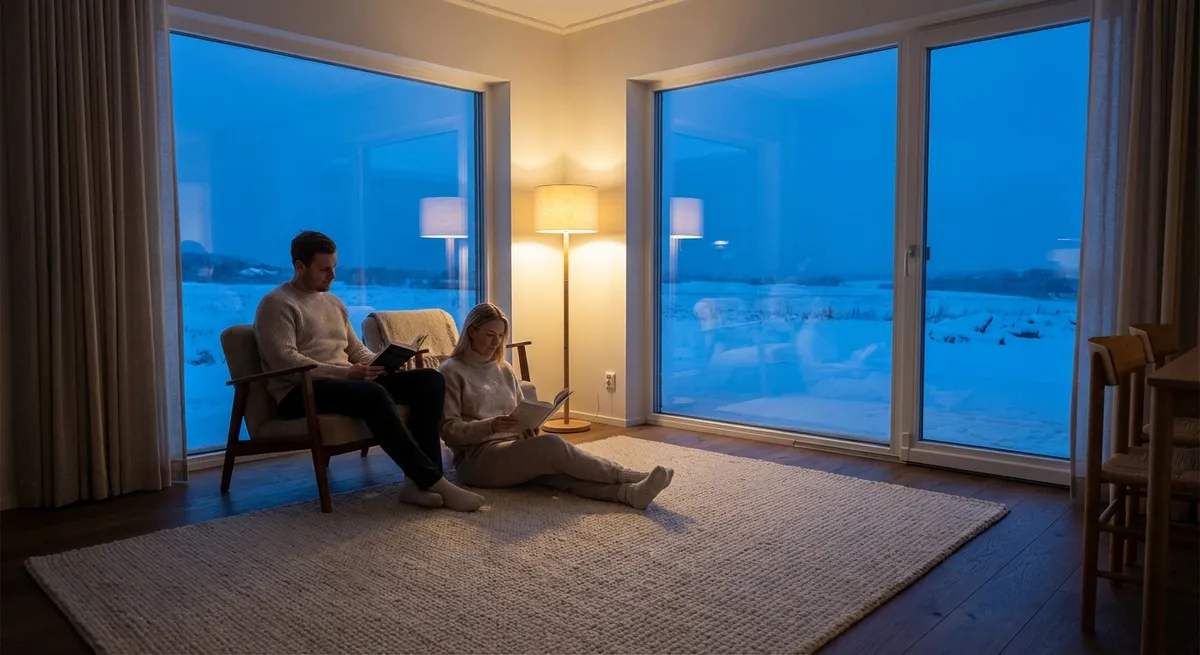
This is where energy efficiency and luxury quietly coincide. A window that maintains tempered interior glass, reduces cold downdrafts, and stabilizes room temperature allows your furnishings, flooring, and textiles to perform as intended. Upholstered seating can be placed closer to glazing, hardwoods experience fewer thermal swings, and the home’s usable square footage expands, not shrinks, with the seasons.
The Optics of Efficiency: Light Quality, Not Just Light Quantity
Energy-efficient glazing is frequently reduced to ratings and coatings, but the visual experience—how the light feels—is paramount for a refined home. Not all low‑E coatings and high-performance glass are created with the same optical priorities. Some can impart a faint tint, alter color rendering, or create subtle mirror-like reflections, particularly at night.
Discerning homeowners increasingly evaluate not only the thermal properties of glass, but also its color neutrality and clarity. High-quality, spectrally selective coatings can admit generous visible light while filtering a disproportionate amount of infrared (heat) and ultraviolet (damage-causing) radiation. The result is a purer, more natural daylight that flatters materials and finishes rather than distorting them.
From an energy perspective, carefully tuned visible light transmission (VLT) means you can rely less on artificial lighting during the day while controlling solar gain. From an aesthetic perspective, it preserves the integrity of curated interiors: wall colors remain true, artwork is better protected from fading, and views appear as intended—crisp, balanced, and free of distracting glare. Efficiency, in this sense, becomes an exercise in optical refinement.
Material Intelligence: Frames as Quiet Performance Partners
The glass often receives all the attention, but the frame is where much of the nuance in energy performance resides. Different frame materials—wood, fiberglass, aluminum with thermal breaks, composite, or advanced vinyl—respond uniquely to temperature, moisture, and time. The most sophisticated window solutions pair high-spec glass with frames that complement both the architecture and the home’s thermal aspirations.
Wood frames, for example, offer excellent natural insulation and a warm aesthetic, but demand attentive maintenance. Fiberglass exhibits exceptional dimensional stability, expanding and contracting at rates closely aligned with glass, which enhances long-term airtightness and energy performance. Thermally broken aluminum frames, long favored for contemporary architecture, can now deliver far better insulation than earlier generations, thanks to improved thermal barriers that interrupt conductive heat flow.
In energy terms, a frame with strong insulating properties and robust weatherstripping reduces conductive and air leakage losses, making the glass’s performance fully meaningful. In experiential terms, frame choices influence sightlines, daylight penetration, and how seamlessly the window integrates into interior millwork and exterior cladding. The most successful upgrades strike a deliberate balance: performance that meets or exceeds ENERGY STAR or local energy code standards, wrapped in materials that feel consistent with the home’s design vocabulary.
Long-Horizon Value: Energy, Resale, and Regulatory Readiness
Energy-efficient windows are often justified by monthly utility savings, but a more refined assessment looks at what they secure for the home over a decade or more. As building codes tighten and buyers become more literate in performance metrics, subpar glazing is increasingly recognized as a liability—visually acceptable but functionally outdated.
Upgrading to high-performance windows (especially those that meet or surpass recognized benchmarks such as ENERGY STAR Most Efficient or local high-efficiency tiers) can position a home favorably for future resale. Buyers may not recite U-factors and SHGCs, but they will perceive year-round comfort, quieter interiors, and lower operating costs. In many markets, home energy labeling and performance disclosures are becoming more common; superior glazing quietly lifts the home’s profile in these reports.
There is also a resilience dimension. Energy-efficient windows reduce reliance on mechanical systems during grid stress events or price spikes. In homes that incorporate solar generation or advanced HVAC, premium glazing amplifies those investments by minimizing waste. Over time, the “return” of a window upgrade is not solely measured in reduced kilowatt-hours, but in preserved comfort, enhanced desirability, and readiness for a more performance-conscious housing market.
Conclusion
For the discerning homeowner, energy-efficient windows are not a compromise between practicality and elegance—they are an intersection of both. When thoughtfully selected and precisely installed, they elevate the home’s internal climate, refine the quality of light, and future-proof the property in a world moving steadily toward higher performance expectations.
What distinguishes a truly exceptional window upgrade is not just the promise of lower bills, but the cultivated stillness it brings: rooms that hold their temperature with ease, glass that flatters views and interiors alike, frames that quietly support the architecture, and a home that feels composed in every season. Energy efficiency, at its most refined, is simply comfort made intelligent.
Sources
- [ENERGY STAR – Energy-Efficient Windows](https://www.energystar.gov/products/building_products/residential_windows_doors_and_skylights) - U.S. EPA guidance on window performance metrics, ENERGY STAR criteria, and selection considerations
- [U.S. Department of Energy – Efficient Windows](https://www.energy.gov/energysaver/energy-efficient-windows) - In-depth overview of window technologies, frame materials, and climate-specific recommendations
- [Efficient Windows Collaborative (part of the National Fenestration Rating Council)](https://www.efficientwindows.org) - Detailed explanations of U-factor, SHGC, visible transmittance, and comparison tools for window performance
- [International Association of Certified Home Inspectors – Condensation and Energy-Efficient Windows](https://www.nachi.org/condensation-energy-efficient-windows.htm) - Discussion of surface temperatures, comfort, and condensation control with high-performance glazing
- [Lawrence Berkeley National Laboratory – Windows and Daylighting](https://windows.lbl.gov) - Research-based resources on advanced window technologies, daylighting, and building energy performance
Key Takeaway
The most important thing to remember from this article is that this information can change how you think about Energy Efficiency.