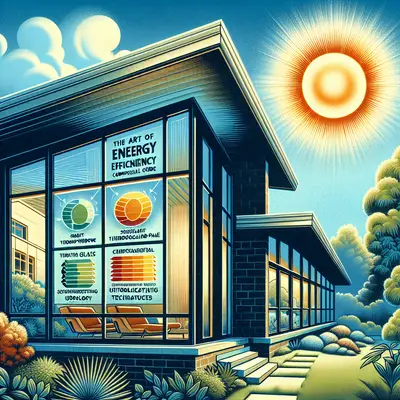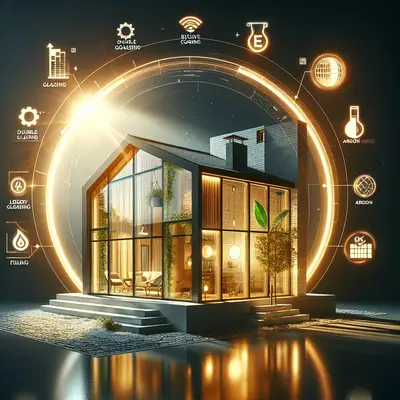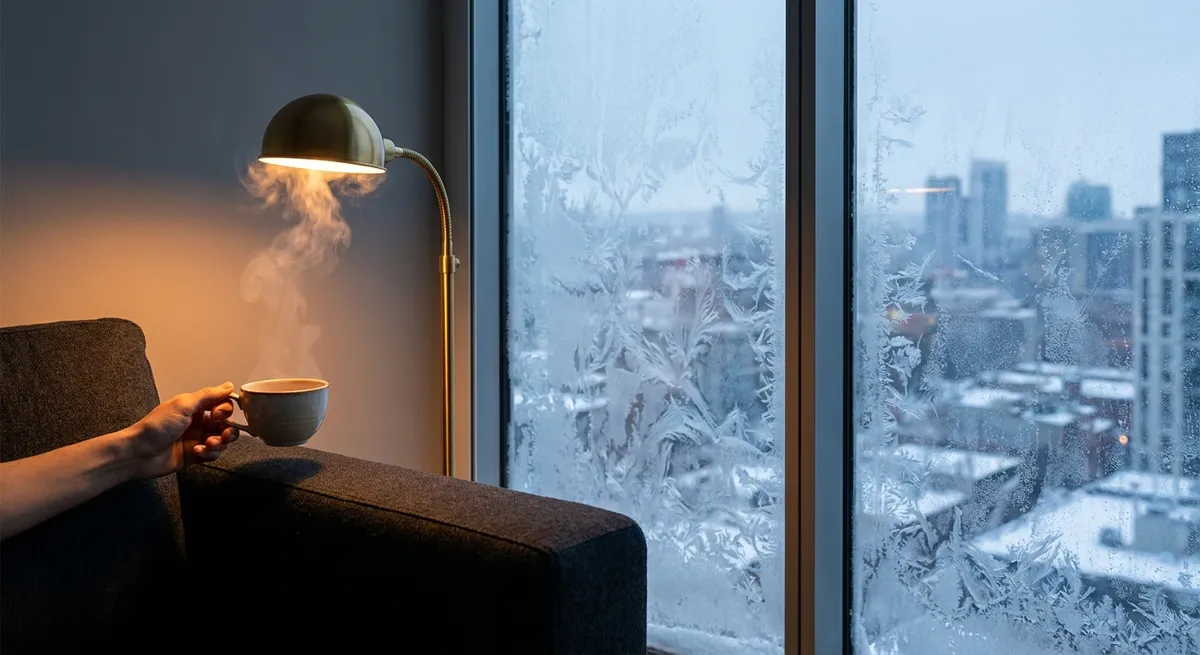
For the design-conscious homeowner, energy efficiency is no longer a purely technical metric—it is an invisible layer of comfort, calm, and control woven into the architecture of daily life. Windows, more than any other building element, choreograph the relationship between interior serenity and the external environment. A refined window upgrade is thus not merely a construction project; it is a deliberate act of curating light, temperature, and acoustics with precision.
Below are five exclusive, often-overlooked insights that sophisticated homeowners can use to transform window upgrades into a quietly powerful energy strategy.
Reframing “Efficient Windows” as Thermal Architecture
Most efficiency conversations begin and end with U-factor and Solar Heat Gain Coefficient (SHGC), but discerning homeowners benefit from thinking of windows as thermal architecture rather than isolated products.
High-performance glazing systems shape how your home behaves—its thermal rhythm throughout the day and across seasons. A carefully selected combination of frame material, glazing type, gas fill, and spacer technology can turn windows into calibrated instruments that reduce temperature swings, protect finishes from UV damage, and minimize reliance on mechanical heating and cooling.
By treating windows as a continuous thermal envelope instead of discrete openings, you begin to consider how each facade interacts with sun paths, wind exposure, and shading elements. This architectural mindset leads to decisions such as pairing lower SHGC glazing on west-facing elevations with slightly higher SHGC glass in winter-sun-favored orientations, creating a nuanced energy profile rather than a one-size-fits-all specification.
Invisible Luxuries: Low-E Coatings as Tailored Light Filters
Low-emissivity (low‑E) coatings are often marketed in broad strokes—“blocks heat, lets in light”—but the reality is more elegant and customizable. For a premium window upgrade, low‑E should be treated like a curated lens collection, each coating chosen to refine comfort and appearance.
Advanced low‑E coatings can:
- Precisely filter solar radiation while maintaining clarity and neutral color rendition, avoiding the dull or tinted look of older technologies.
- Be tuned to regional climate demands—cold-climate low‑E that retains interior heat versus warm-climate formulations that aggressively reject solar gain.
- Reduce the fading of textiles, artworks, and flooring by blocking a large portion of ultraviolet radiation without sacrificing brightness.
Homeowners who work with a knowledgeable window consultant can select from different low‑E formulations for different elevations of the same home, achieving a layered, gallery-like control of natural light. The result is a quieter HVAC system, more stable interior temperatures, and a subtle visual refinement that reads as “calm daylight” rather than “bright glare.”
Precision in the Frame: Material Choices That Quiet Energy Loss
While glass often takes center stage, the frame is frequently the weakest thermal link—and a defining aesthetic element. Elevated efficiency comes from choosing frame systems that balance thermal performance, slender sightlines, and tactile quality.
Key considerations for refined solutions include:
- Fiberglass and composite frames: These materials expand and contract at rates similar to glass, preserving seals and minimizing warping over time. Their inherent rigidity allows for slim profiles without sacrificing strength, supporting larger expanses of high-performance glazing.
- Thermally broken aluminum: For contemporary homes, aluminum remains a design favorite. A “thermal break”—an insulating barrier within the frame—dramatically improves performance while maintaining the crisp, minimal aesthetic of metal.
- Engineered wood-clad systems: Interior wood with exterior aluminum cladding offers warmth indoors and durability outside. When paired with high-quality weatherstripping and precision joinery, these systems can deliver both tactile luxury and robust thermal resistance.
The most sophisticated installations treat frames not simply as borders, but as technical objects—engineered to interrupt conductive heat loss, manage condensation risk, and steward the interface between glass and wall assembly.
Airtight Elegance: Installation as an Energy System, Not a Step
Energy-efficient windows can underperform dramatically if installation is treated as a commodity rather than a craft. The refined approach views installation as the completion of a building science system, not as a basic trade service.
Premium, energy-driven installation practices often include:
- Fully integrated air and water barriers, tying window flashing into housewrap or membrane systems to prevent hidden drafts and moisture intrusion.
- Use of high-performance, low-expansion foam and gasket systems to fill irregularities around the frame without over-compressing, which can distort frames or compromise operation.
- Careful shimming and leveling to avoid subtle frame distortions that lead to micro-gaps over time and accelerated wear on weather seals.
The outcome is an envelope that feels remarkably still: less perceptible movement of air, quieter interiors, and HVAC systems that cycle less frequently. For homeowners attuned to sensory details, this combination of silence, stillness, and stable temperature is one of the most sophisticated forms of “invisible luxury” a window upgrade can provide.
Strategic Glazing Combinations: Curating Comfort Room by Room
Most homes do not require—or benefit from—identical window specifications in every room. A truly elevated energy strategy is selective, aligning performance characteristics with how each space is used and experienced.
Examples of nuanced, room-specific glazing choices include:
- Home offices and media rooms: Lower SHGC, advanced low‑E, and potentially laminated glass to reduce both heat gain and exterior noise, stabilizing comfort for long working or viewing sessions.
- Spa-like bathrooms and bedrooms: Obscure or textured glazing paired with excellent insulating performance, keeping spaces cocooned and private while avoiding the chill often associated with large bathroom windows.
- Double or triple glazing in targeted zones: Triple-pane units may be reserved for north-facing or wind-exposed elevations where heat loss is greatest, while high-efficiency double-pane units can suffice in milder orientations.
- High-transmission glazing in living spaces with controlled shading: Where architectural overhangs or exterior shades provide protection, higher visible light transmission glass can maintain a luminous, gallery-like feel with moderated solar gain.
By tailoring glass types and performance levels to the actual function of each space, homeowners gain a sense that the home is responsive—each room tuned to the way it is lived in, rather than constrained by a single, generic window specification.
Conclusion
Energy efficiency, at its most refined, is the art of creating a home that feels composed in every season—luminous without glare, quiet without heaviness, warm without stuffiness. When windows are approached as integrated elements of thermal architecture, light management, and sensory comfort, an upgrade becomes more than a line item: it becomes a strategic enhancement of how the home performs and how it feels.
For homeowners who value subtlety and long-term value, the most successful window projects are those that blend science with discernment—selecting materials, coatings, and installation methods that deliver enduring efficiency while elevating the aesthetic and experiential quality of every room.
Sources
- U.S. Department of Energy – Energy-Efficient Windows - Explains key performance metrics such as U-factor, SHGC, and low‑E coatings.
- Efficient Windows Collaborative (National Fenestration Rating Council) - Provides detailed guidance on window technologies, climate-appropriate choices, and performance ratings.
- Lawrence Berkeley National Laboratory – Windows & Daylighting - Research-based insights on advanced glazing, coatings, and building energy performance.
- Energy Star – Residential Windows, Doors and Skylights - Outlines certification criteria and best practices for energy-efficient residential fenestration.
- Building Science Corporation – High-R Windows and Their Impact on Energy Use - Technical analysis of high-performance window assemblies and their effect on whole-building energy consumption.
Key Takeaway
The most important thing to remember from this article is that this information can change how you think about Energy Efficiency.