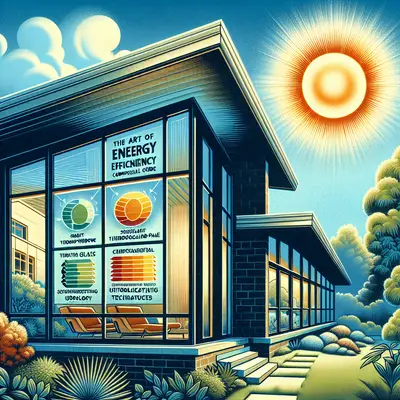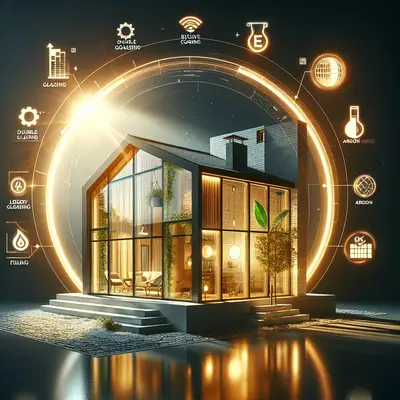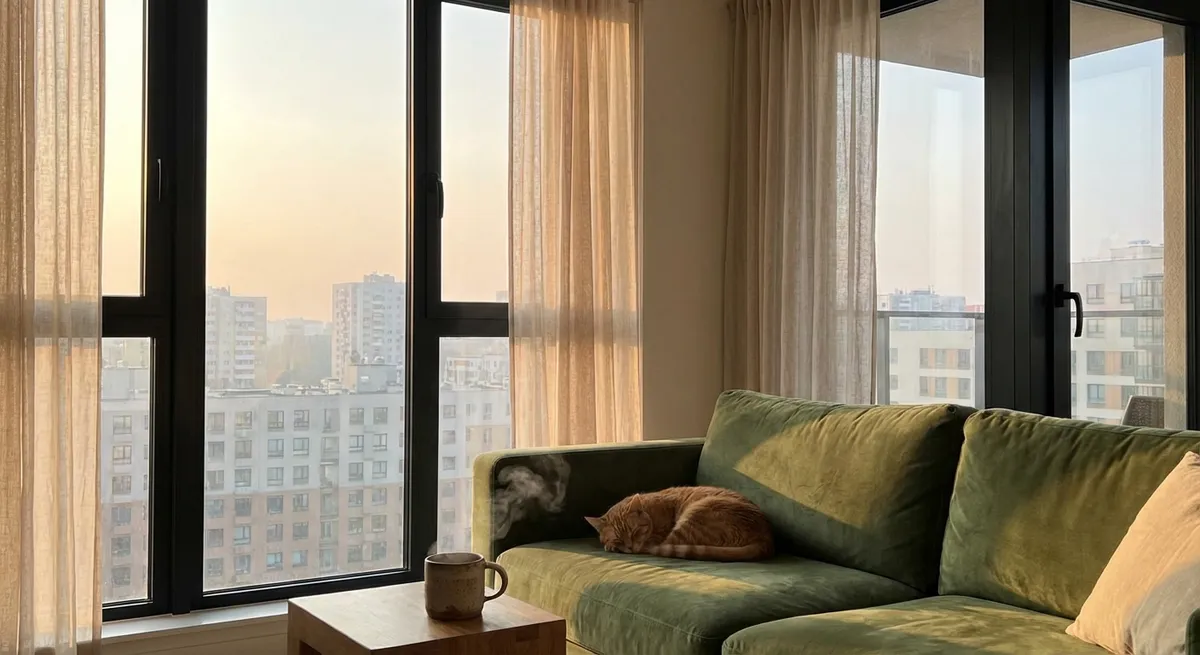
For discerning homeowners, energy efficiency is no longer a purely utilitarian metric—it is an expression of comfort, quiet, and considered design. Windows occupy a rare position in the home: they are both performance engines and architectural jewelry. When curated intelligently, they orchestrate light, temperature, and acoustics with almost invisible precision. When neglected, they quietly erode comfort and inflate energy costs year after year.
This guide explores how refined window choices can transform the energy profile of a residence—not with gimmicks, but with carefully selected materials, glazing strategies, and design decisions. The focus is not on cutting corners, but on elevating performance to the level of the home itself.
Reframing Efficiency: From Utility Metric to Daily Experience
Energy efficiency is often reduced to a number on a sticker—U-factor, solar heat gain coefficient, visible transmittance. For a sophisticated home, these are only the starting point. The real luxury lies in how these values translate into daily life.
A well-specified window upgrade creates a home where rooms maintain a stable temperature without dramatic swings, where you can sit beside glass in mid-winter without a drafty chill, and where the HVAC system operates with a calm, almost silent restraint. Reduced energy consumption becomes an elegant side effect of a space that simply feels composed and balanced.
Treat energy efficiency as an experiential standard: Will this glass allow a sun-drenched room without overheating? Will this frame maintain comfort at the perimeter in January? Will this configuration allow you to open or shield your home from the outdoors with intention rather than compromise? Once efficiency is framed as experience, better decisions follow naturally.
Insight 1: Spectral Selectivity – Curating Sunlight, Not Just Blocking Heat
Most homeowners know about “tinted” or “low-e” glass, but very few understand that the most refined glazing does not merely darken a room or blunt heat—it selectively manages the spectrum of sunlight.
Spectrally selective low-emissivity coatings are designed to allow generous visible light while filtering out a disproportionate share of infrared (heat) energy and ultraviolet (fading) radiation. Instead of living in a dimmed house to preserve comfort, you maintain luminous interiors while dramatically reducing heat gain and protecting fabrics, artwork, and wood finishes.
For homes with extensive glazing—floor-to-ceiling windows, glass corners, or panoramic vistas—this is not a luxury; it is a necessity. Spectral selectivity lets you embrace large expanses of glass without inheriting the traditional penalties of glare, fading, and thermal imbalance. In practical terms, it also allows you to specify slimmer shading solutions and more minimalist interiors because the glass itself is doing more of the heavy lifting.
Insight 2: Frame Material as a Thermal Instrument, Not a Stylistic Afterthought
Frame selection is often treated as a purely aesthetic decision—wood for warmth, aluminum for sleek modern lines, vinyl for practicality. From an energy standpoint, the frame is a primary thermal instrument, not just a border.
Aluminum, for example, is inherently conductive. In refined window systems, this is mitigated with “thermal breaks”—engineered barriers within the frame that interrupt heat flow. Similarly, advanced fiberglass and composite frames offer exceptional dimensional stability and low conductivity, maintaining tight seals over time and supporting the performance of high-spec glazing.
For a premium project, frame decisions should be guided by three converging criteria:
- Thermal stability: Will the frame maintain its shape across seasons, preserving airtightness and minimizing leaks?
- Conductivity: How efficiently does it resist heat transfer at the perimeter, where condensation and cold spots often originate?
- Longevity of performance: Will today’s performance metrics still hold a decade later?
A sophisticated approach often combines materials—clad wood interiors for warmth, aluminum exteriors for durability, composite or fiberglass cores for thermal integrity—turning the frame into a layered performance system rather than a single-material compromise.
Insight 3: Precision Air Management – The Silent Partner of Energy Efficiency
Most homeowners focus on glass performance, but air leakage is frequently the quiet culprit behind disappointing results. Even an advanced triple-glazed unit underperforms if surrounded by frames and seals that allow uncontrolled air movement.
High-end windows distinguish themselves in three critical ways:
- Engineered seals and gaskets that maintain compression and flexibility over years of use, resisting flattening and deterioration.
- Multi-point locking mechanisms that draw sash and frame together, increasing airtightness and providing a perceptible sense of solidity when operated.
- Integration with the building envelope, ensuring that insulation, flashing, and air barriers align continuously with the window assembly, avoiding the “thermal halo” of drafts around the perimeter.
For energy efficiency, air management is as important as glass specification. A well-sealed home feels calm: fewer drafts, more even temperatures from room to room, and less noise infiltration. The quietness you notice is not only acoustic—it is also the absence of thermal turbulence.
Insight 4: Climate-Responsive Glazing Strategies for Sophisticated Homes
An elevated approach to window upgrades recognizes that a single glazing specification is rarely ideal for every façade, climate, or exposure. Instead, the home is treated as a nuanced energy system, and glazing is curated accordingly.
In colder climates with meaningful solar opportunity, south-facing glass may intentionally use higher solar heat gain (higher SHGC) to capture and retain winter sun, while north-facing and shaded elevations prioritize insulation (lower U-factor) over solar gain. In hot climates, especially with strong western exposures, the strategy reverses: aggressive solar control on sun-exposed façades protects interior comfort and reduces cooling load.
In mixed climates or high-performance homes, it can be worthwhile to specify different glass packages within the same property, all unified aesthetically but tuned in performance. This is particularly valuable for:
- Spaces with large west-facing glass subject to low-angle afternoon sun
- Double-height rooms where stratified heat can become a concern
- Highly glazed stairwells or corridors that otherwise act as thermal chimneys
This climate-responsive approach is subtle from the street—but profound on the energy bill and daily comfort.
Insight 5: Daylight as an Energy Asset, Not Just an Aesthetic Choice
Daylight is one of the most underleveraged energy assets in residential design. Premium window solutions can substantially reduce artificial lighting demand while maintaining thermal control, but only when daylight is deliberately considered as part of the efficiency equation.
High-performance glass with appropriate visible transmittance (VT) allows ample light without compromising comfort. Paired with carefully considered frame proportions and mullion layouts, this can provide generous daylight penetration deep into interior spaces. In energy-conscious homes, this daylight strategy is often complemented by:
- Light-colored interior surfaces that extend daylight reach
- Automated or layered window treatments that preserve daylight while controlling glare
- Smart lighting systems that dim or shut off fixtures in response to available natural light
The result is a home where artificial lighting is used as a complement to daylight, not a default. Over time, this contributes meaningfully to reduced electricity consumption while also enhancing the mood, clarity, and perceived spaciousness of interior spaces.
Conclusion
Energy-efficient windows in a refined home are not simply about numbers on a label or a promised percentage of savings. They are about orchestrating light, temperature, and air with quiet precision, so that comfort feels effortless and the architecture remains visually uncompromised.
By looking beyond the obvious—treating glass as spectral technology rather than mere transparency, considering frames as thermal instruments, insisting on superior air management, tailoring glazing to climate and elevation, and harnessing daylight as an energy asset—you elevate window upgrades from a necessary expense to a long-term, performance-driven investment.
The true luxury is not just in how your windows look, but in how seamlessly they allow your home to feel composed: thermally stable, quietly efficient, and beautifully illuminated.
Sources
- U.S. Department of Energy – Energy-Efficient Windows – Overview of window performance metrics, low-e coatings, and climate-specific guidance
- Efficient Windows Collaborative – Window Selection Guidance – Detailed explanations of U-factor, SHGC, visible transmittance, and frame material impacts
- Lawrence Berkeley National Laboratory – Windows and Daylighting – Research on advanced glazing, spectral selectivity, and window energy performance
- National Fenestration Rating Council (NFRC) – Information on standardized window performance ratings for U-factor, SHGC, and air leakage
- ENERGY STAR – Residential Windows, Doors and Skylights – Criteria and recommendations for high-performance, energy-efficient window products
Key Takeaway
The most important thing to remember from this article is that this information can change how you think about Energy Efficiency.