Energy efficiency, at its most refined, is not about chasing lower utility bills—it is about cultivating a home that feels composed, stable, and quietly capable in every season. For discerning homeowners, windows are no longer mere openings, but precision instruments that govern light, temperature, and acoustic calm. When specified thoughtfully, advanced glazing can transform a residence into an environment of consistent comfort, restrained energy consumption, and enduring elegance.
Below are five exclusive, often-overlooked insights that sophisticated homeowners appreciate when considering an elevated window upgrade.
1. Thermal Comfort Is a Sensation, Not a Statistic
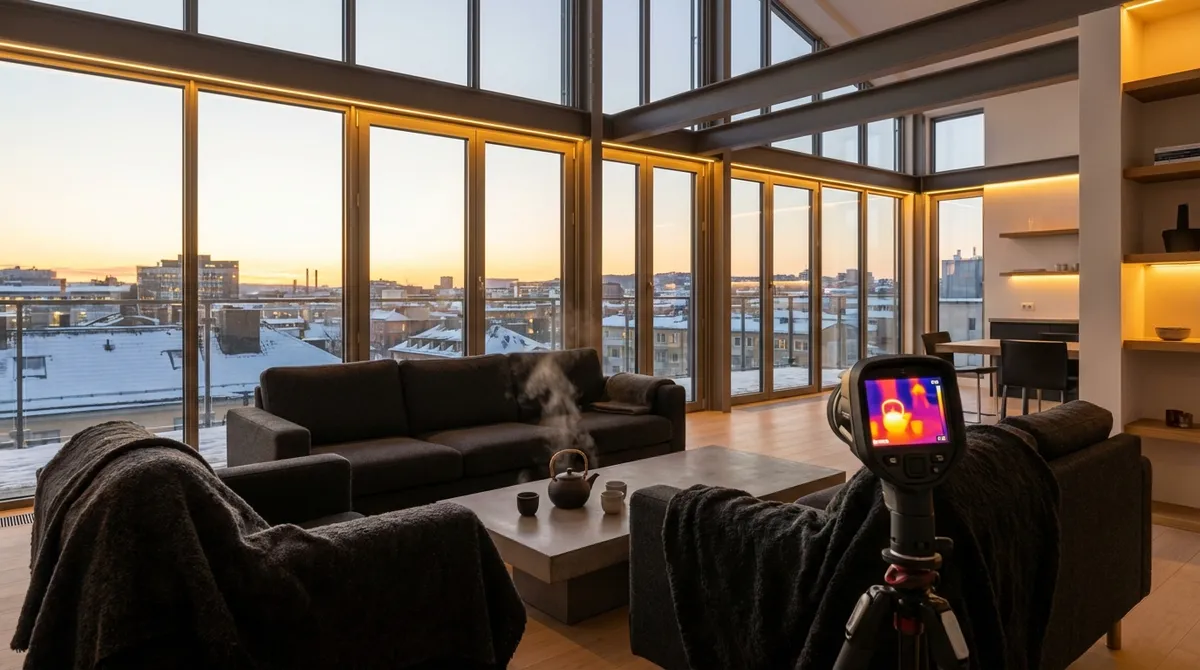
Energy ratings and U‑factors are important, but the lived experience at the window wall is what ultimately matters. A technically “efficient” window that still produces a band of cold air at your feet or a hot, glaring patch across your floor has failed at its primary task: comfort.
True thermal performance is measured in how uniform a room feels—from the sofa beside a picture window to the dining table bathed in morning light. High-performing frames with thermal breaks, low-conductivity spacers between panes, and properly specified Low‑E coatings mitigate the “cold draft effect” and radiant chill from glass surfaces.
When executed well, the difference is almost imperceptible: no abrupt temperature swings as you walk through a space, no subconscious avoidance of certain chairs at different times of day. The result is a home that invites you to use every corner, every hour, uninterrupted by the weather outside.
2. The Art of Selecting the Right Low‑E for Each Elevation
Low‑emissivity (Low‑E) coatings are often marketed as a single, catch‑all solution. In reality, refined window design treats each façade of the home as a unique microclimate. South- and west-facing elevations may demand more solar control, while north-facing windows might prioritize daylight and clarity.
Advanced glazing options allow for distinct Low‑E formulations on different sides of the home:
- Solar-control Low‑E for intense exposures that receive strong afternoon sun, reducing heat gain while preserving outward views.
- High‑solar‑gain Low‑E for colder climates on south-facing windows, subtly harnessing winter sunlight to provide passive warmth.
- Balanced or “neutral” Low‑E for areas where visual fidelity and color accuracy are paramount, such as spaces showcasing artwork or carefully curated interiors.
The most elegant solutions rarely use a single glass specification everywhere. Instead, an intentional “glass palette” is composed to harmonize light, view, privacy, and thermal behavior across the entire envelope.
3. Frame Material: The Silent Partner in Energy Performance
Glass often steals the spotlight, yet the frame quietly governs a significant share of a window’s overall thermal performance. Beyond aesthetics, the right frame material determines how stable, quiet, and efficient a window will feel over time.
- Fiberglass and high-quality composites offer exceptional dimensional stability and low thermal conductivity, resisting warping and maintaining a precise seal.
- Engineered wood with proper cladding combines visual warmth with durability, especially when paired with aluminum or fiberglass exteriors to reinforce weather resistance.
- Premium vinyl and hybrid systems can deliver strong thermal performance when manufactured with multi‑chamber designs and internal insulation, though quality and tolerances vary widely across brands.
For a residence that aspires to long-term efficiency and low maintenance, the frame is not an afterthought; it is the structural and thermal backbone. Specifying a better frame often leads to quieter operation, more reliable weatherstripping contact, and a window that performs as beautifully in year fifteen as it did on day one.
4. Air Tightness: The Hidden Luxury Behind a Still, Quiet Room
Energy-efficient glass is undermined completely if air is allowed to slip around it. In many homes, the most costly energy losses are not through the glass, but through microscopic gaps where frame, sash, and wall intersect. Air leakage translates to drafts, noise intrusion, and a subtle but persistent sense of unrest in a space.
A premium energy-focused window strategy does not stop at selecting a high-end product; it insists on:
- Low air leakage ratings verified by independent testing (not just marketing language).
- Meticulous installation detailing, including properly integrated flashing, air barriers that connect to surrounding wall systems, and careful sealing of interior and exterior perimeters.
- Balanced ventilation strategy, so that while windows are tight when closed, the home as a whole still “breathes” through controlled mechanical systems rather than uncontrolled leaks.
The result is a distinct quality of stillness: temperatures remain more stable, outside noise is muted, and conditioned air is no longer wasted in the cavities of the wall. Energy efficiency, in this sense, becomes an experience of calm.
5. Daylight as an Energy Asset, Not a Glare Problem
When daylight is curated with intent, it becomes a primary tool for reducing artificial lighting needs and supporting circadian comfort. But unmanaged daylight—harsh glare, severe contrasts, and hotspots—often leads homeowners to pull shades and rely on electric lighting even during the day, negating energy benefits.
Thoughtful window upgrades treat daylight as a sculptural element:
- Larger glazed areas with careful orientation, allowing lower-intensity north and filtered east light to fill living spaces.
- Subtle overhangs or exterior shading on stronger exposures to temper direct sun while preserving views.
- Glass with high visible transmittance (VT) but controlled solar heat gain, ensuring that the home remains bright and inviting without absorbing unnecessary heat.
When window systems are tuned correctly, they reduce both cooling loads and lighting demands. What you notice is not the technology, but the quality of light: more even, more flattering, and more aligned with how you actually inhabit the space.
Conclusion
Energy efficiency, at its most elevated, is not about chasing a single metric or label. It is the outcome of a series of deliberate choices—glass tuned to each elevation, frames selected for quiet durability, air sealing executed with craftsmanship, and daylight orchestrated as a design feature rather than an afterthought.
For homeowners seeking a refined upgrade, the window is no longer just a pane of glass. It is an integrated system that shapes thermal comfort, acoustic serenity, and visual ambience in equal measure. When approached with this level of nuance, an energy-efficient window becomes something more enduring: an architectural instrument that quietly enhances daily life, season after season.
Sources
- U.S. Department of Energy – Energy-Efficient Windows - Overview of window components, Low‑E coatings, and performance metrics
- Energy Star – Most Efficient Window Criteria - Details on performance ratings and requirements for high-efficiency windows
- Efficient Windows Collaborative – Window Selection Guidance - Comprehensive guidance on glass, frames, climate considerations, and energy performance
- Lawrence Berkeley National Laboratory – Low‑E Coatings - Technical explanations of different Low‑E technologies and their effects
- Whole Building Design Guide (wbdg.org) – Fenestration and Daylighting - In-depth discussion of daylighting, comfort, and façade strategies
Key Takeaway
The most important thing to remember from this article is that this information can change how you think about Energy Efficiency.