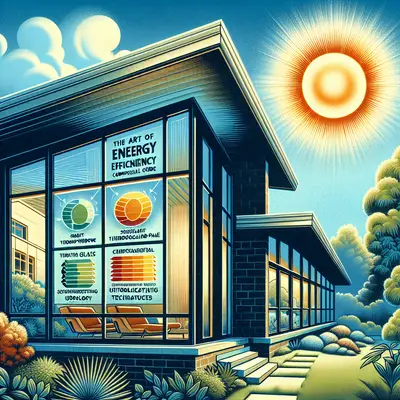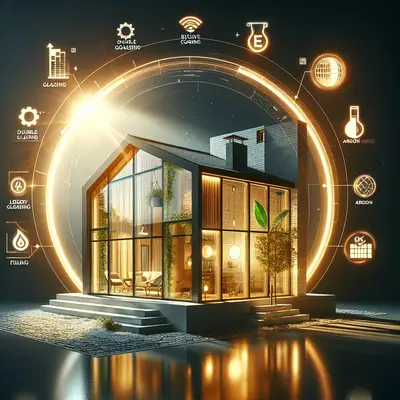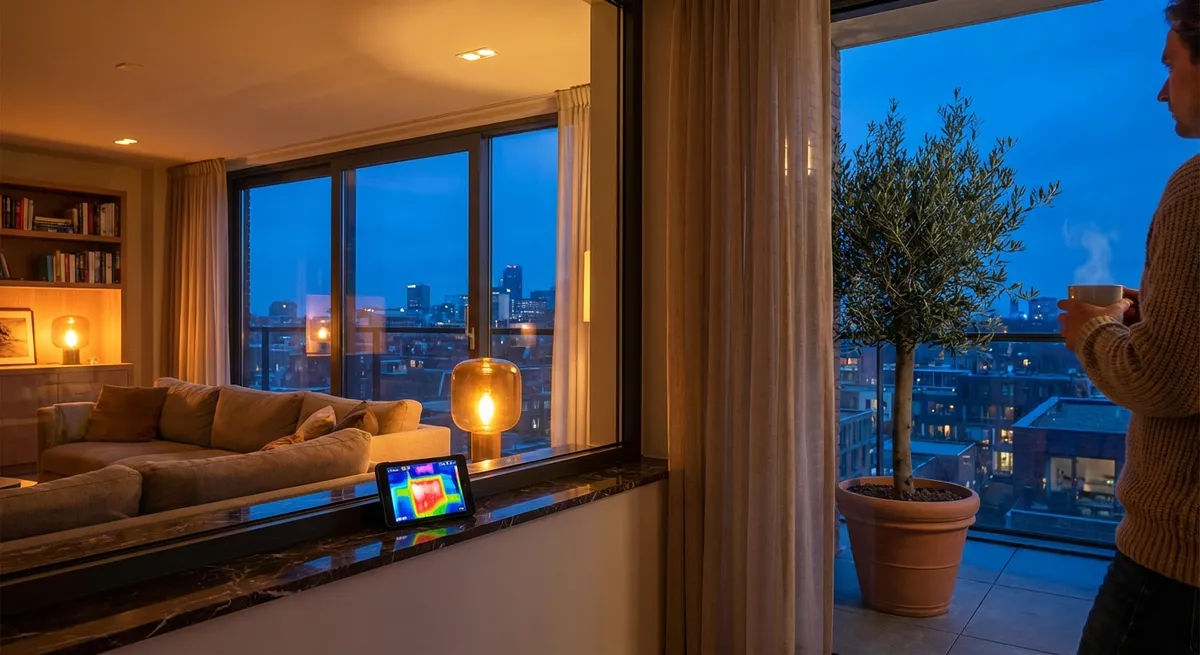
For the homeowner with a cultivated eye, energy efficiency is no longer a mere technical metric—it is a design language. Windows shape the character of a room, the quality of light, the sense of quiet, and the long-term operating costs of the home. When chosen and configured thoughtfully, they become discreet instruments of thermal control, allowing you to curate comfort and performance with the same intentionality you bring to furnishings or art.
This is not about settling for “good enough” double glazing. It is about orchestrating glass, frames, coatings, and placement into a cohesive energy strategy that looks effortless and lives beautifully. The following five insights are designed for homeowners who expect more from their windows than a view.
Reframing Glass as Climate Control, Not Just Insulation
Many discussions around efficient windows stop at “double- or triple-pane with low-E.” For a refined home, that is only the opening chapter. Glass performance can—and should—be tuned to your climate, orientation, and lifestyle.
Low-emissivity (low-E) coatings, for example, are not one-size-fits-all. A high solar heat gain coefficient (SHGC) can be desirable on south-facing windows in colder climates, where winter sunlight becomes a passive heating asset. Conversely, in hot or mixed climates, a lower SHGC on west- and south-facing exposures can reduce cooling loads and mitigate harsh afternoon glare. The sophistication is in selective deployment, not blanket specification.
Similarly, gas fills between panes—typically argon, occasionally krypton in premium assemblies—are often treated as a check-box feature. In reality, their value is influenced by spacer design, cavity width, and frame material. A well-designed, argon-filled double-pane unit in a thermally broken fiberglass or composite frame can rival the performance of a poorly executed triple-pane unit in an inferior frame.
The discerning approach is to view glazing as an adjustable climate instrument: different coatings and configurations for different elevations, tuned to the way you actually use each space.
Curated Comfort: Beyond R-Values to Lived Experience
Energy labels highlight metrics like U-factor and SHGC, but the truly elevated window strategy prioritizes how a room feels at 7 a.m. in winter or 4 p.m. in August. Premium performance should be measured not only in kilowatt-hours, but in the quiet, even comfort it creates.
High-performance windows dramatically reduce mean radiant temperature swings—the invisible but very real sensation of “cold walls” or “hot glass.” By moderating the surface temperature of the glazing, they allow you to sit near a window in January without a blanket, or host a dinner party at dusk in July without pulling shades in haste. This subtle comfort is often more noticeable than the energy savings, especially in rooms with large expanses of glass.
Acoustic performance is an equally refined dimension of comfort. Laminated glass, asymmetrical glazing thicknesses, and carefully engineered frames can substantially reduce external noise—traffic, aircraft, even energetic neighbors. For many homeowners, the sensation of closing a window and hearing the city recede into hushed background is the most luxurious benefit of an energy-efficient upgrade.
In essence, the best windows transform your home’s envelope from a mere barrier into a calibrated comfort interface: consistent, quiet, and visually generous.
Material Intelligence: Choosing Frames That Age Gracefully (and Efficiently)
Frame selection is often approached stylistically—wood for warmth, aluminum for sleek minimalism, vinyl for budget-conscious practicality. A more nuanced perspective considers the frame as both a design object and a thermal instrument.
Solid wood, especially when paired with high-quality exterior cladding (aluminum or fiberglass), offers excellent natural insulation and timeless visual appeal. These “wood interior, clad exterior” systems marry classic interior character with long-term exterior durability, reducing maintenance without compromising aesthetics. When specified with thermally optimized profiles, they can perform at a very high level.
Fiberglass and high-end composites offer a particularly compelling balance for modern, efficiency-focused homes. Their dimensional stability means reduced warping and better long-term air sealing, and their low thermal conductivity helps maintain interior comfort near large glass areas. They can typically accommodate heavier, advanced glazing units—including triple-glazed or acoustically laminated configurations—without bulky profiles.
Thermally broken aluminum, when properly engineered, can reconcile minimalist architecture with strong efficiency goals. The “break” is a non-conductive barrier within the metal frame, significantly reducing heat transfer. This is crucial in large, contemporary window walls where uninterrupted sightlines are prioritized; the right system preserves the elegant narrow profile while avoiding the chill or heat typically associated with standard aluminum frames.
The refined decision is not simply “which material,” but which system within a material category pairs timeless aesthetics with resilient thermal performance over decades, not just under showroom lighting.
Intentional Daylight: Designing for Light First, Loads Second
Most homeowners think of windows as light sources and only secondarily as thermal elements. Advanced energy design inverts this logic: natural light is treated as a primary amenity, and the energy strategy is shaped around preserving it without penalty.
The goal is to maximize daylight autonomy—how often you can rely on natural light instead of artificial—while minimizing solar gain penalties. Carefully positioned, high-performance windows can reduce lighting energy consumption significantly while still curbing unwanted heat gain. Narrower, taller windows, clerestories, and thoughtfully placed transoms can draw light deeper into a room while exposing less surface area to intense, low-angle sun.
The glazing selection is equally strategic. A slightly higher visible transmittance (VT) ensures rooms remain bright and airy, even if SHGC is kept lower on certain elevations. In spaces where you prize unfiltered clarity—such as a reading nook or a kitchen that glows with morning light—it may be worth accepting slightly higher gains, counterbalanced elsewhere in the envelope with more selective glazing or shading devices.
Architectural shading—deep overhangs, fins, or well-proportioned exterior shades—can act as elegantly integrated energy tools rather than afterthoughts. Properly dimensioned, they block high summer sun while allowing lower winter light to permeate. The net effect: luminous interiors that feel generous, not overexposed, and a mechanical system that works more as a gentle assistant than an overtaxed guardian.
Precision in Sealing: The Discreet Power of Air-Tight Detailing
In premium window projects, visible finishes tend to command the conversation. Yet the most consequential energy decisions often hide in the margins—the joints, gaskets, sealants, and transitions between window and wall.
Air leakage can quietly erode the performance of even the most sophisticated glazing. A modest amount of uncontrolled air infiltration can translate into palpable drafts, uneven temperatures, and higher heating and cooling loads. Conversely, a well-detailed, air-tight installation can elevate a mid-range window’s real-world performance into genuinely high-performance territory.
Advanced tapes, multi-layered sealant systems, and properly integrated flashing are no longer niche concepts reserved for experimental houses; they are the backbone of serious building envelopes. When these details are executed with care, your windows function not as isolated objects but as integral, continuous components of a high-performing shell.
The premium experience emerges in the lived result: rooms free from faint whistling on windy nights, absence of cold “leaks” near sills, consistent humidity control, and mechanical systems that operate more efficiently because they are not constantly battling infiltration. This discreet craftsmanship rarely appears in marketing brochures, but it is central to the kind of refined comfort that quietly impresses every day.
Conclusion
Elevating energy efficiency in a refined home is not about chasing the highest specification on a label or succumbing to the latest buzzword in glazing. It is about assembling a coherent, intelligent window strategy—one that respects architecture, cherishes natural light, and prizes subtle, enduring comfort.
By approaching windows as climate instruments rather than mere openings, you gain precise control over temperature, acoustics, and luminosity. By selecting frame systems that age gracefully, and insisting on meticulous detailing at every junction, you create a home that feels composed in every season, every room, and every hour of the day.
In the end, true energy efficiency is not loud. It resides in the quiet of a well-insulated room, the ease of a balanced interior climate, and the pleasure of expansive glass that works as beautifully as it looks.
Sources
- [U.S. Department of Energy – Energy-Efficient Windows](https://www.energy.gov/energysaver/design/windows-doors-and-skylights/energy-efficient-windows) – Overview of window efficiency concepts, including frames, glazing, and coatings
- [Efficient Windows Collaborative – Window Selection Guidance](https://www.efficientwindows.org/selection.php) – Detailed guidance on climate-specific window choices, including SHGC and U-factor considerations
- [Lawrence Berkeley National Laboratory – Windows and Daylighting](https://windows.lbl.gov/) – Research on window technologies, daylighting strategies, and their impact on building performance
- [National Fenestration Rating Council (NFRC)](https://www.nfrc.org/windows-doors-skylights) – Explanation of energy performance labels and metrics for windows and doors
- [Whole Building Design Guide – Daylighting (WBDG, National Institute of Building Sciences)](https://www.wbdg.org/resources/daylighting) – Technical resource on daylighting design and its interaction with building envelopes and glazing
Key Takeaway
The most important thing to remember from this article is that this information can change how you think about Energy Efficiency.