A well‑chosen window is more than a frame around a view; it is a quiet regulator of light, temperature, and comfort. For homeowners with a cultivated eye, energy‑efficient windows are not merely an efficiency upgrade—they are an architectural refinement that reshapes how a home feels and performs throughout the day. When thoughtfully specified, glass and frame become a calibrated instrument, subtly harmonizing aesthetics, comfort, and operating costs.
Below are five exclusive, often overlooked insights that discerning homeowners should consider before committing to a window upgrade.
The Art of Solar Tuning: Matching Glass to Orientation, Not Just Climate
Most discussions of energy‑efficient windows stop at “double- or triple-pane with low‑E.” For a refined result, that is only the starting point. The true advantage lies in solar tuning: pairing specific glass coatings and visible light transmission levels to each elevation of your home.
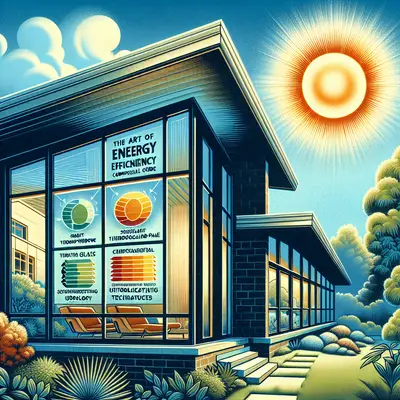
South- and west-facing façades may benefit from low solar heat gain coefficients (SHGC) to restrain late‑day solar load, while north-facing openings can use higher SHGC glass to admit precious winter warmth. In regions with cold winters and strong sun, selectively using higher‑gain glass on key south windows can function like a passive heating system, lightening the workload of your mechanical equipment.
Rather than choosing a single glass spec across the entire house, sophisticated projects often deploy a curated palette: one low‑E formulation for solar control, another for enhanced daylight in shaded areas, and privacy or spectrally selective glass in spaces where glare control matters more than heat gain. This orientation‑specific strategy preserves luminous, clear views while discreetly orchestrating thermal performance.
Frame as Thermal Architecture: Beyond “Vinyl vs. Wood”
Energy conversations often focus on glass, yet the frame behaves like the window’s structural thermostat. Slim, beautifully engineered frames can either compromise or amplify the performance of the glazing they hold. The difference lies in thermal breaks, frame composition, and profile design.
Aluminum, for instance, is inherently conductive, but thermally broken aluminum—with non‑conductive barriers separating the interior and exterior portions of the frame—can offer both slender sightlines and strong performance. Premium fiberglass and composite frames provide dimensional stability and naturally low thermal conductivity, pairing well with large expanses of glass where structural rigidity matters.
Even traditional wood, favored for its tactile warmth, can be elevated with clad exteriors and integrated gaskets to protect the material while maintaining refined interior detail. The most successful solutions treat the frame as thermal architecture: multi‑chambered profiles, carefully placed insulation, and precision joinery minimize thermal bridges so interior surfaces remain warm to the touch in winter and cool in summer. This quiet comfort is what separates a merely efficient window from a truly considered one.
Invisible Comfort: Surface Temperatures and Draft-Free Luxury
Premium energy performance is not just a number on a sticker—it is the feeling of still, even air and surfaces that mirror room temperature. Many homeowners focus on U‑factor and SHGC but overlook a crucial experiential metric: interior glass and frame surface temperature.
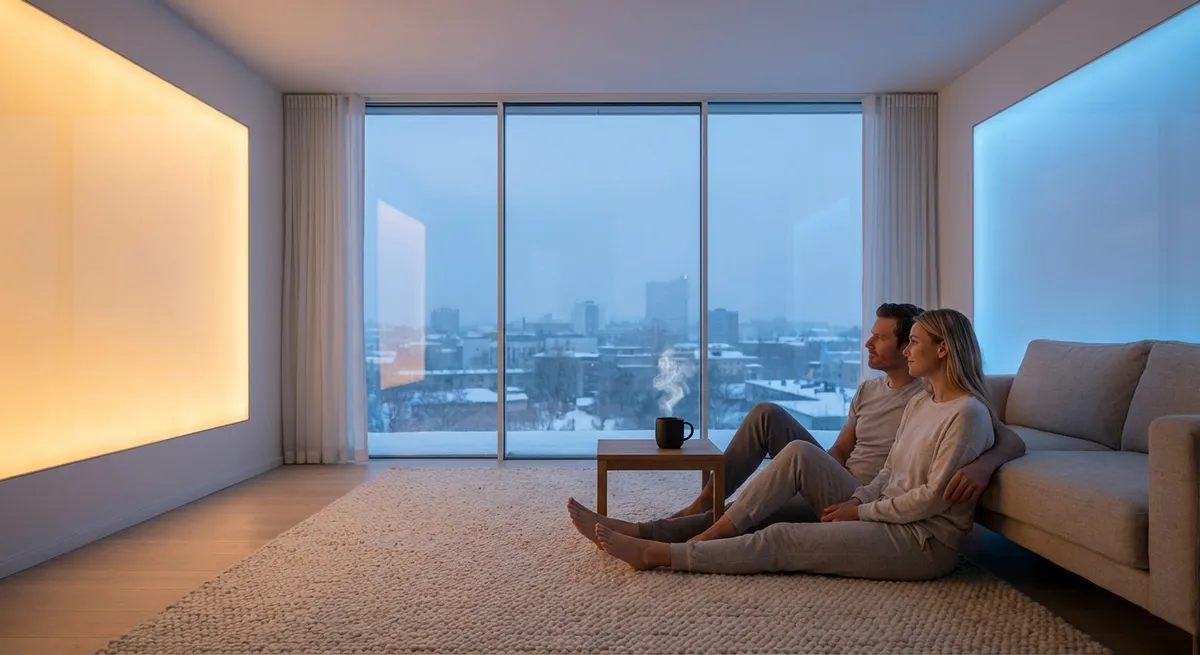
Well‑specified triple glazing and insulated frames can keep interior glass surface temperatures far closer to the room’s air temperature, even on severe winter days. This discourages convective drafts: that subtle downward flow of cool air you feel sitting near a poorly performing window. The result is a room where seating can be placed freely near the glass without the need for heavy draperies or supplemental heaters to maintain comfort.
For homes with tall ceilings or expansive glazing, this nuance is transformative. When the thermal envelope is exquisitely tuned, the difference between “near the window” and “in the center of the room” nearly disappears. The window becomes a luminous wall, not a thermal liability, allowing your interior layout and furnishings to follow design intent rather than comfort compromises.
Daylight Without Penalty: Balancing Clarity, Color, and Thermal Control
A sophisticated window upgrade respects not only energy metrics, but also the quality of light. Some low‑E coatings can subtly shift color temperature or reduce visible light transmission, leaving interiors feeling dim or flat if chosen without discernment. The goal is not simply less heat—but better light.
Modern spectrally selective coatings distinguish between visible and infrared wavelengths, allowing generous daylight while filtering much of the solar heat. This enables spaces that feel bright, crisp, and color‑true, without the harsh thermal buildup that would normally accompany large south- or west-facing glass.
Curated glazing combinations—clearer glass in shaded courtyards, more selective coatings on sun‑exposed elevations—help maintain continuity of color rendering across spaces while tailoring performance. For art collections, natural materials, and carefully chosen finishes, this nuance protects both comfort and the visual integrity of the interior. The refinement lies in achieving that subtle equilibrium where you forget the glass is there at all, yet feel its influence in the calm, consistent quality of light.
Long-Term Precision: Designing for Future Systems and Evolving Codes
An elegant window strategy looks beyond today’s energy prices and standards. Increasingly, homes are transitioning to high‑efficiency heat pumps, balanced ventilation systems, and tighter building envelopes. The windows you choose now will either complement or constrain these future upgrades.
Lower U‑factors reduce peak heating and cooling loads, which in turn can allow for smaller, more efficient mechanical systems. Thoughtfully upgraded windows can therefore unlock design freedom later: more compact equipment, quieter operation, and the ability to integrate advanced controls without fighting avoidable heat loss or gain.
In many regions, building energy codes are progressively tightening; what is considered “high‑performance” today may be the baseline in a decade. Investing in windows that meet or surpass current ENERGY STAR or passive‑inspired criteria positions your home gracefully ahead of the regulatory curve. This forward‑looking precision not only enhances resale appeal but also preserves the coherence of your home’s design, avoiding the need for intrusive retrofits down the line.
Conclusion
Energy‑efficient windows at a premium level are not simply a matter of stacking panes and adding gas fills. They represent a series of quiet, intelligent decisions—about orientation, frame architecture, surface temperature, daylight quality, and long‑term strategy—that together shape how your home lives, feels, and performs.
When approached with intention, a window upgrade becomes a refinement of everyday experience: steadier temperatures, gentler light, greater freedom in furniture placement, and a home that remains composed in the face of seasonal extremes. For homeowners who value discreet excellence, energy efficiency is not a constraint but a powerful design instrument—one that transforms glass from a vulnerability into a carefully tuned asset.
Sources
- U.S. Department of Energy – Energy-Efficient Window Attachments – Overview of window performance metrics, replacement considerations, and efficiency strategies
- Efficient Windows Collaborative (National Fenestration Rating Council) – Detailed guidance on climate‑specific window selection, including U‑factor and SHGC recommendations
- Energy Star – Residential Windows, Doors, and Skylights – Current ENERGY STAR criteria, regional performance guidelines, and product insights
- Lawrence Berkeley National Laboratory – Windows and Daylighting – Research on glazing technologies, daylighting, and thermal performance of windows
- U.S. Environmental Protection Agency – Indoor Environment and Energy Efficiency – Context on how energy upgrades, including windows, intersect with comfort and indoor environmental quality
Key Takeaway
The most important thing to remember from this article is that this information can change how you think about Energy Efficiency.