Energy efficiency is often discussed in blunt metrics—U-factors, R-values, and payback periods. Yet for discerning homeowners, the true story of high-performance windows is quieter, more nuanced, and deeply intertwined with comfort, architecture, and long-term value. The right glazing doesn’t simply lower a utility bill; it curates light, moderates temperature, and refines how a space feels at every hour of the day.
This article explores five exclusive, often-overlooked insights into energy-efficient windows—details that matter when “good” is not good enough, and you expect your building envelope to perform with the same precision as your interiors.
The Invisible Climate Buffer: Microclimates Around Your Windows
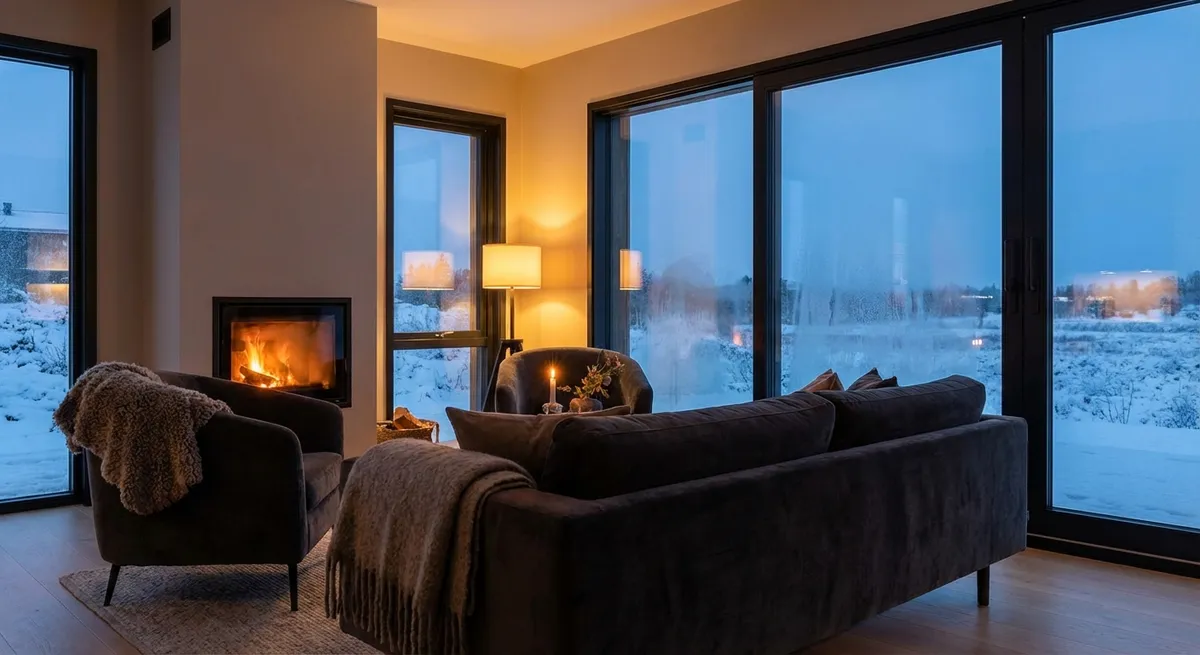
Every window creates a microclimate—a zone where temperature, air movement, and light subtly differ from the rest of the room. In standard construction, this zone is often a problem area: drafts, cold spots in winter, radiant heat in summer. In a carefully specified window system, it becomes an asset.
High-performance frames, warm-edge spacers, and multi-pane insulated glazing do more than improve a lab-tested U-factor. They stabilize the microclimate at the perimeter of a room, reducing the temperature swing between the glass surface and the interior air. This translates into fewer “cold wall” sensations in winter and less radiant heat discomfort when the sun is intense.
The advantage is psychological as much as physical. When perimeter zones feel stable, furniture can be placed closer to windows without compromise, allowing you to fully enjoy views, daylight, and architectural glazing without subconsciously avoiding those areas. Over time, the perception of comfort—fewer hot-and-cold pockets—often matters more to daily satisfaction than the exact number on the energy bill.
Thoughtful homeowners increasingly ask not only, “How efficient is this window?” but “How does this window reshape the comfort gradient in the room?” The most successful upgrades are those that tame the perimeter microclimate so thoroughly that you forget about it entirely.
Daylight as an Energy Strategy, Not a Decorative Afterthought
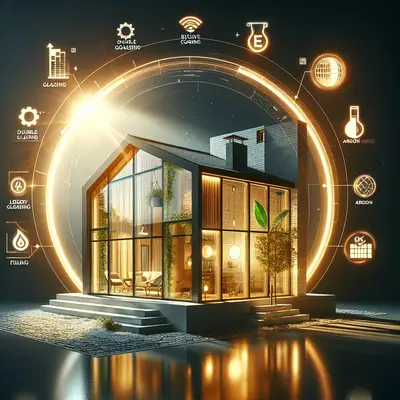
Energy-efficient windows are frequently reduced to insulation values, yet one of their most sophisticated contributions is how they choreograph daylight. High-performance glazing can be tuned to admit generous visible light while carefully managing solar heat gain—an interplay that directly influences both comfort and electricity use.
Low-emissivity (low-E) coatings are often marketed as a single concept, but in reality they come in distinctly different formulations. Some prioritize maximum solar gain for colder climates, harnessing winter sunlight as free heating. Others emphasize solar rejection, ideal for warmer regions where cooling loads are dominant. Advanced products balance these properties, allowing abundant daylight with restrained heat transfer, reducing dependence on artificial lighting and mechanical systems.
For design-forward homes, this means you can specify expansive glass without necessarily accepting the penalty of glare or overheating. Strategic use of different glazing packages by orientation—more solar-admitting glass on south façades in cold climates, selectively shaded or lower-gain glass on west façades—turns your fenestration into a quiet but powerful environmental control system.
When combined with dimmable lighting and thoughtful shading (such as exterior louvers or automated interior shades), premium windows allow daylight to carry more of the load, subtly reducing both energy consumption and the visual fatigue associated with overly bright or overly dim interiors.
Acoustic Serenity: The Overlooked Partner of Thermal Efficiency
True luxury is increasingly defined by the absence of unwanted noise. Interestingly, some of the same design decisions that enhance thermal performance can be leveraged to create a more acoustically serene environment.
Laminated glass, for example, is often selected for security or UV protection, but its interlayer also disrupts sound transmission. When combined with asymmetrical glazing thicknesses and tightly sealed frames, it can significantly reduce exterior noise from traffic, neighbors, or urban activity—all while maintaining superior energy performance.
Triple-pane units, when properly designed, provide not only enhanced insulation but also additional air spaces that attenuate sound. High-quality compression gaskets and multi-point locking hardware minimize air infiltration, improving both thermal tightness and acoustic control. The result is a room that feels more composed: stable in temperature, sheltered from drafts, and insulated from the subtle hum of the outside world.
For homeowners investing in premium windows, it’s worth viewing acoustic performance as a co-equal metric alongside U-factor and solar heat gain coefficient (SHGC). An upgrade that quietly lowers your heating and cooling loads while simultaneously softening the sonic backdrop of your home delivers a more holistic form of efficiency—one measured in calm as much as in kilowatt-hours.
The Frame as a Performance Instrument, Not Just a Border
Window discussions often focus on the glass, but the frame is where much of the refined energy performance is either realized or lost. For premium projects, the frame material and construction should be treated as a precision instrument, not a mere boundary for the glazing.
Architecturally rich options such as thermally broken aluminum, high-density composite frames, and wood-clad systems with engineered cores all aim to address a central challenge: how to provide structural integrity and aesthetic presence without becoming a thermal bridge. Thermally broken frames segment conductive materials (like aluminum) with insulating barriers, significantly reducing heat transfer while preserving slender sightlines.
Similarly, high-quality fiberglass and composite frames maintain dimensional stability and low conductivity, ensuring that seals remain tight over time and that performance does not quietly degrade with seasonal expansion and contraction. On the interior side, the tactile presence of wood or a refined finish can coexist with a rigorously efficient structural core.
From an energy-efficiency perspective, the goal is alignment: frame performance should complement the glazing. Investing in advanced glass while accepting a thermally weak frame is akin to commissioning a bespoke suit and pairing it with off-the-rack shoes. The ensemble only truly elevates when every component performs to the same standard.
Performance That Ages Gracefully: Long-Term Efficiency and Resale Appeal
Energy efficiency is sometimes viewed as a snapshot—how a window performs at the moment of installation. Discerning homeowners, however, are better served by thinking in decades: How will this system age? What happens to seals, coatings, and hardware after thousands of thermal cycles?
High-end window systems often distinguish themselves not just through superior initial performance, but through how long they preserve that performance. Robust spacer systems reduce the risk of seal failure and fogging between panes. Durable low-E coatings, applied on protected glass surfaces, maintain their optical and thermal characteristics over time. Quality hardware and reinforced frames keep sash alignment true, preserving airtightness and preventing the small leaks that slowly erode efficiency.
This long-view mindset also intersects with resale value. Buyers attuned to quality recognize premium, well-documented window systems as a signal of overall stewardship. An envelope that remains crisp—no condensation between panes, no warping, no drafts—suggests a home where details were thoughtfully considered. In many markets, listing energy performance ratings, installation dates, and manufacturer documentation alongside other premium features supports both buyer confidence and negotiation strength.
Ultimately, enduring performance converts an energy-efficient window from a mere cost-saving component into a long-term asset. It contributes not only to reduced operating costs, but also to the perceived caliber and integrity of the home itself.
Conclusion
Exceptional windows do more than comply with an energy code or trim a utility invoice. At their best, they orchestrate an interior climate that feels effortlessly stable; they admit generous, well-managed daylight; they soften the city’s murmur; they frame views with structural and aesthetic precision; and they do so year after year with minimal drift in performance.
For homeowners who view their residence as a carefully tuned environment rather than a simple shelter, energy efficiency is not a single metric—it is a quiet, cumulative experience. The most rewarding window upgrades are those where the technology recedes into the background, leaving only a sense of calm, clarity, and enduring refinement.
Sources
- U.S. Department of Energy – Energy-Efficient Windows - Overview of window efficiency concepts, including frames, glazing, and low-E coatings
- Efficient Windows Collaborative – Window Selection Guidance - In-depth guidance on choosing efficient windows by climate and performance metric
- Lawrence Berkeley National Laboratory – Residential Windows - Research-backed information on window technologies, comfort, and energy savings
- National Fenestration Rating Council (NFRC) - Independent rating and labeling information for window energy performance
- University of Minnesota – Daylighting and Energy Performance - Research on how daylighting strategies interact with building energy use and occupant comfort
Key Takeaway
The most important thing to remember from this article is that this information can change how you think about Energy Efficiency.