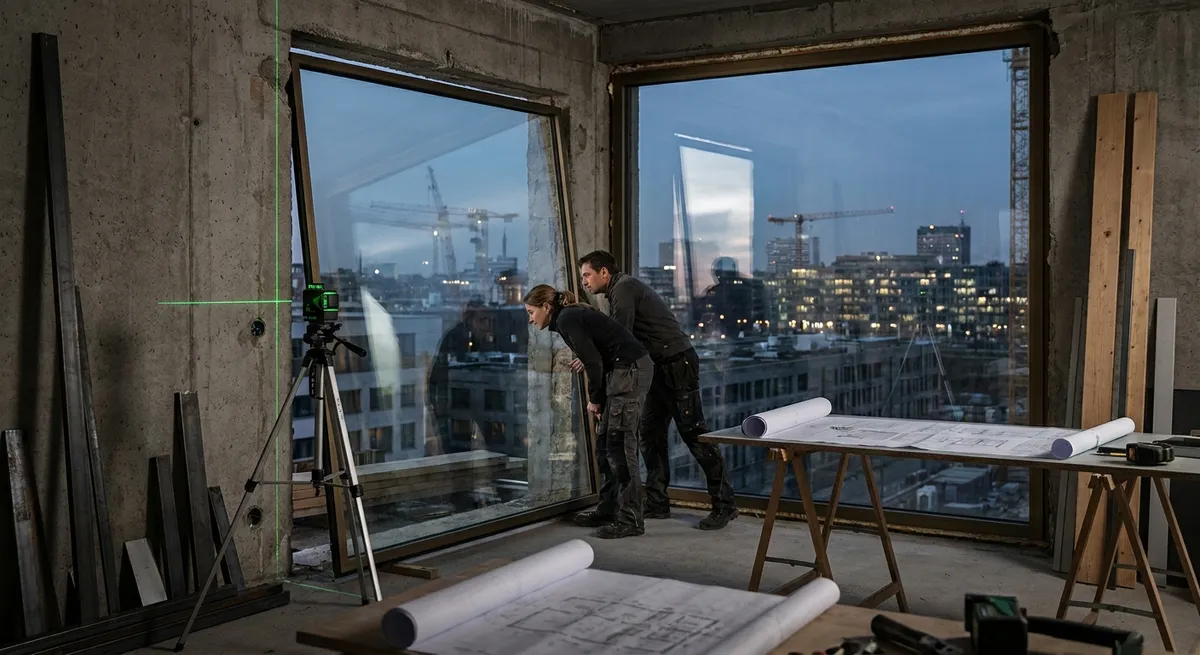
There is a moment, just after the old frames are removed and before the new glass is seated, when a home stands between what it has been and what it might become. Window installation, handled thoughtfully, is not merely a technical swap; it is a quiet act of architecture—where millimeters matter, light is curated, and comfort is engineered as much as it is felt. For the discerning homeowner, understanding how windows are installed is as important as which windows are chosen.
Below are five exclusive, often-overlooked insights that transform window installation from a necessary project into a refined upgrade of your living environment.
Insight 1: Installation Depth Shapes Light, Shadow, and Perceived Luxury
Most homeowners focus on glass type and frame style; few ask where, within the wall depth, the window will actually sit. Yet this “installation depth” subtly controls both aesthetics and performance.
Recessed windows, set slightly deeper into the wall, create elegant shadow lines that feel inherently architectural. They can visually thicken your walls, lending a sense of solidity and calm. This recess also offers practical gains: deeper sills for décor, improved shading from direct sun, and often a modest boost to thermal comfort as frames are better aligned with the insulated portion of the wall.
Conversely, windows pushed closer to the exterior plane can yield a cleaner, more contemporary façade, especially in minimalist or modernist homes. The key is intentionality: aligning the window with the home’s insulation layer can reduce thermal bridging, while coordinating recess depth across elevations ensures visual harmony. A sophisticated installer does not simply “fill the opening”; they negotiate the depth for optimal performance and a more tailored, gallery-like interior experience.
Insight 2: The Frame-to-Wall Transition Is the True Test of Craft
Premium glass and high-end frames are only as good as their weakest junction: the transition where window meets wall. This boundary is where air, water, and sound either enter or are quietly refused.
Beyond basic caulk and spray foam, refined installations consider a multi-layered approach: backer rod to control sealant depth, flexible and UV-stable sealants at critical joints, and high-quality flashing tapes that integrate with the home’s weather-resistive barrier. In more advanced projects, installers may specify pre-compressed sealing tapes or membranes used widely in European high-performance buildings.
The visual finish at this transition is just as important. Perfectly aligned reveals, consistent joint widths, and seamless trim work create a calm, ordered frame around your view. Nothing shouts “builder-grade” more loudly than mismatched gaps and uneven caulking. The most sophisticated installations are those you never consciously notice: they read as part of the architecture, not an afterthought.
Insight 3: Quiet Is Engineered, Not Purchased
Acoustic comfort rarely appears on brochures, yet it is one of the most immediate markers of a refined home. Upgraded windows help—but installation details often determine whether you gain a gentle hush or merely a marginal improvement.
True acoustic performance is undermined by even the smallest air gaps around the frame. An installer focused on sound reduction will treat the perimeter of each unit like a potential leak in a recording studio: carefully sealed, layered, and continuous. Dense insulating materials, properly compressed, and acoustic-rated sealants can dramatically improve real-world noise reduction, even with standard double-glazing.
In urban or high-traffic settings, a premium approach might pair asymmetric glazing (panes of different thicknesses) with meticulous installation to disrupt sound waves more effectively. The result is not absolute silence, but a cultivated quiet—traffic reduced to a distant murmur, city noise filtered to something you can live with, rather than around.
Insight 4: Micro-Adjustments Define How the Window Feels to Use
Most installation checklists mention “plumb, level, and square,” but this is the bare minimum. A truly distinguished installation goes further, fine-tuning how each sash or panel actually feels in the hand.
Subtle shimming and hardware adjustment can determine whether a casement closes with a confident, even pressure or requires an inelegant tug. Sliding units can be tuned to glide with fingertip control rather than a rattling push. Hinges and locking points, if properly aligned, deliver both security and a satisfying mechanical precision.
Over time, seasonal movement of the building can expose rushed work—sticks, scrapes, or latches that no longer align perfectly. An expert installer anticipates this, building in adjustability and ensuring that hardware can be recalibrated without invasive intervention. The outcome is tactile refinement: doors and windows that behave like quality instruments, not rough tools.
Insight 5: Installation Strategy Must Match Climate, Not Just Code
Most building codes define a floor, not a ceiling. Meeting minimum requirements may keep moisture at bay, but it rarely delivers the elevated comfort or efficiency that discerning homeowners expect.
In colder climates, the installation strategy should emphasize thermal continuity. Aligning the frame with the primary insulation layer, specifying low-conductivity shims, and using insulated installation materials reduce the “cold halo” effect around windows. In warmer or mixed climates, better exterior shading integration, careful flashing to manage intense rain events, and low-expansion foams that tolerate heat movement become crucial.
A sophisticated installation plan considers sun paths, prevailing winds, and even local microclimates. South-facing elevations might merit more aggressive UV and moisture protection; coastal homes may require upgraded hardware and sealing systems against salt and wind-driven rain. The installer’s objective shifts from “making it fit” to calibrating each opening for the real environment it will face over decades.
Conclusion
Elevated window installation is not about theatrics; it is about quiet decisions that accumulate into something unmistakable: spaces that feel calmer, more composed, and more inherently “finished.” From the depth of the frame in the wall to the whisper of a closing sash, every detail of installation shapes how you experience your home.
For homeowners truly investing in superior windows, the conversation should extend beyond models and materials. Ask how your windows will be seated, sealed, tuned, and adapted to your climate. When installation is treated as architectural refinement rather than a construction task, your windows stop being openings in a wall and become curated thresholds—between indoors and outdoors, light and shade, noise and stillness.
Sources
- U.S. Department of Energy – Energy-Efficient Windows - Overview of window performance, installation considerations, and climate-specific guidance
- Efficient Windows Collaborative (NFRC) - Technical guidance on best practices for window installation and its impact on efficiency
- Building America Solution Center – Window Installation - Research-based details on flashing, air sealing, and integrating windows with wall assemblies
- Green Building Advisor – Installing Windows for High Performance - In-depth discussion of advanced installation methods used in high-performance homes
- University of Minnesota – Window and Door Installation - Educational resource covering structural, moisture, and air management considerations for installations
Key Takeaway
The most important thing to remember from this article is that this information can change how you think about Installation.