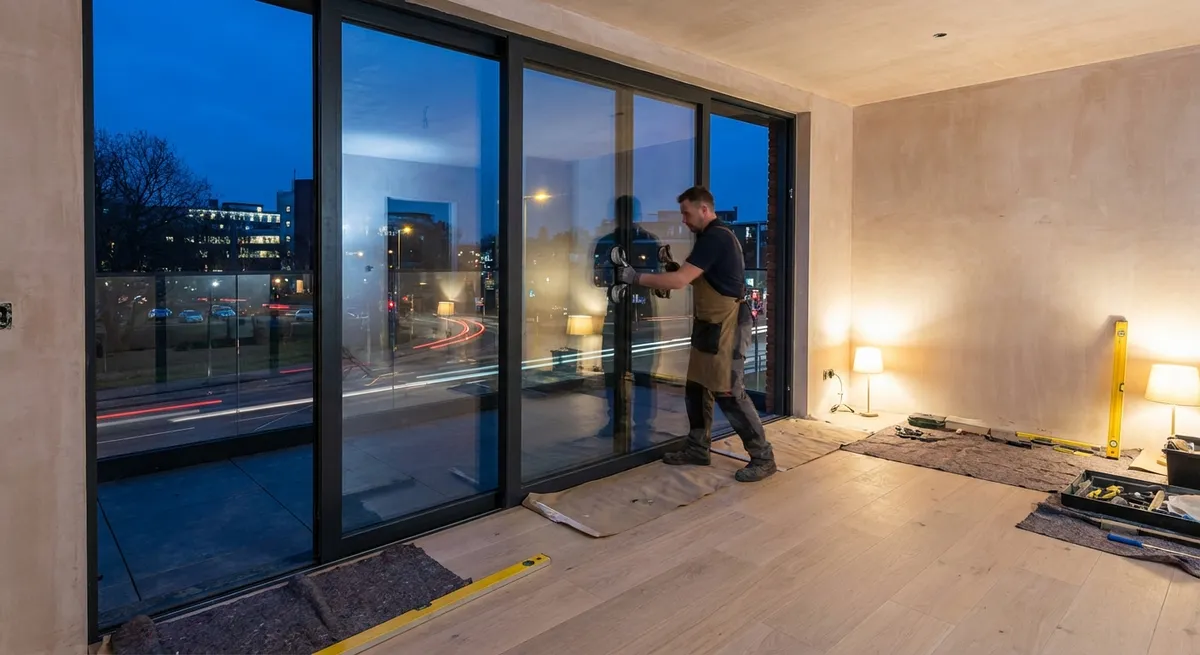
Windows are among the few design elements that shape both the interior mood and the public face of a residence. Yet the conversation is too often reduced to brand names and frame finishes, leaving the true differentiator—installation quality—quietly in the background. For the discerning homeowner, installation is not a commodity service; it is a fine craft that determines whether even the most exquisite window will perform like an heirloom piece or a costly compromise.
Below, we explore five exclusive, often-overlooked insights that elevate window installation from routine trade work to an architectural discipline worthy of a refined home.
1. Installation is a Performance System, Not a Single Step
A premium window is engineered as a system—glass, frame, spacers, seals. Installation must be approached with the same systemic mindset. The interface between your wall and the window frame is where thermal performance, air sealing, and moisture control either quietly succeed or conspicuously fail.
A sophisticated installation plan begins well before a single fastener is driven. It includes a close reading of the wall assembly—whether masonry, wood frame, structural insulated panels, or a complex hybrid—and a tailored approach to integrating the window into that assembly. This involves selecting the appropriate flashing strategy (peel-and-stick membranes, liquid-applied flashing, or pre-formed sill pans), deciding how far the unit should sit relative to the wall’s insulation layer, and coordinating with any continuous exterior insulation. When executed correctly, the result is not just a clean reveal, but a cohesive, high-performance envelope where the window becomes a calibrated component in the home’s overall energy and comfort strategy.
2. The Hidden Geometry of Placement: Depth, Plane, and Sightline
Thoughtful installation is not limited to “centered in the opening.” Subtle decisions about the depth and plane of the window within the wall can meaningfully influence comfort, aesthetics, and durability. In high-performance building, windows are often aligned with the primary insulation layer, which can sit toward the exterior in modern assemblies. This alignment reduces thermal bridging and mitigates interior surface temperature swings, helping to prevent drafts and condensation near the glass.
From a visual perspective, the depth of the window affects the character of the interior reveal: a window pushed slightly toward the exterior can create deeper interior sills ideal for displaying art objects or plants, while a more centrally located unit may balance interior and exterior articulation. For masonry façades or heavily detailed exteriors, the window plane also mediates shadow lines and proportions. A refined installation plan will harmonize these geometric choices with the home’s architectural language, creating a continuity between exterior expression and interior experience that feels intentional rather than incidental.
3. Air, Water, and Vapor: Three Different Conversations at the Perimeter
Sophisticated homeowners increasingly understand “air sealing,” but fewer appreciate that air, water, and vapor each require their own strategies at the window perimeter. Treating all three as a single issue is one of the most common failures in otherwise upscale projects.
Air control focuses on preventing uncontrolled infiltration and exfiltration around the unit—this is where high-quality sealants, backer rods, and tapes come into play. Water control is about properly directing bulk water away from the assembly; this includes sloped sills, correctly layered flashing, and drainage paths that encourage any incidental moisture to exit harmlessly. Vapor control, by contrast, considers how water vapor moves through the wall and window junction across seasons. In colder climates, an interior-side air and vapor barrier may be critical; in mixed and humid climates, the strategy becomes more nuanced to avoid trapping moisture. A premium installation carefully distinguishes these layers and honors their distinct roles, ensuring longevity and maintaining the performance credentials the window was designed to achieve.
4. Fasteners, Shims, and the Fine Art of Structural Support
In a refined installation, shims and fasteners are not afterthoughts; they are structural and acoustic instruments. The way a window is supported and anchored influences its resistance to wind loads, its ability to open and close flawlessly over decades, and even its contribution to sound control.
Properly placed shims transfer loads evenly to the structure without distorting the frame—a critical concern for large-format glazing or slender contemporary profiles. The choice of fasteners, their spacing, and their coordination with the manufacturer’s requirements help prevent warping, binding, and premature seal failure. In coastal or high-exposure environments, corrosion-resistant fasteners and reinforced anchoring patterns are essential to preserving both structural integrity and visual refinement. When these details are executed with care, large operable panels feel weightless in motion, seals remain reliably tight, and the overall assembly performs with the quiet assurance one expects from a premium home.
5. Commissioning Windows: Treating Operation and Comfort as a Final Fitting
Just as a bespoke suit demands a final fitting, high-caliber windows deserve commissioning at the end of installation. This is the moment when the installer, homeowner, and—ideally—the architect or designer validate that the installed product achieves its intended performance and aesthetic.
Commissioning goes well beyond “do they open and close.” It includes checking reveal uniformity, verifying gasket compression, confirming multi-point locks engage correctly, and testing for unwanted air leakage at weatherstrips. In climates prone to driving rain or strong winds, a basic field test—often using manufacturer-approved methods—can reveal whether the water management details are functioning properly. Smart glass, integrated shading, or sensor-equipped units require an additional layer of commissioning to ensure that controls work harmoniously with the home’s broader systems. Treating this final phase as an essential step, not a formality, transforms window installation from a trade task into a curated experience, delivering performance, comfort, and elegance in a single, cohesive outcome.
Conclusion
Exceptional windows do not announce themselves with logos or exaggerated gestures; they reveal their quality quietly, through consistent comfort, enduring finishes, and the sense that every detail has been considered. At this level, installation is not merely “putting the unit in the hole,” but orchestrating structure, envelope, and design into a seamless whole.
For homeowners who expect their windows to serve as both architectural statement and long-term investment, understanding the nuances of installation is indispensable. The right partner will not simply install what you specify—they will help you choreograph placement, sealing, support, and commissioning so that your windows perform, feel, and age like the premium elements they are meant to be.
Sources
- [U.S. Department of Energy – Energy Saver: Windows, Doors, and Skylights](https://www.energy.gov/energysaver/windows-doors-and-skylights) – Overview of energy performance, installation considerations, and envelope integration
- [Efficient Window Collaborative – Window Installation Guidelines](https://www.efficientwindows.org/installation/) – Technical guidance on proper installation practices and performance impacts
- [Building Science Corporation – “Window Installation Details”](https://www.buildingscience.com/documents/information-sheets/window-installation-details) – In-depth discussion of air, water, and vapor control at window openings
- [American Architectural Manufacturers Association (AAMA) – InstallationMasters](https://www.installationmasters.com/homeowners) – Industry-backed best practices for high-quality window and door installation
- [National Institute of Building Sciences – Whole Building Design Guide: Windows and Glazing](https://www.wbdg.org/design-disciplines/windows-and-glazing) – Architectural design context and technical considerations for integrating windows into building envelopes
Key Takeaway
The most important thing to remember from this article is that this information can change how you think about Installation.