An elegant window upgrade is never just glass in a frame; it is an ongoing financial performance choreographed between aesthetics, comfort, and long‑term value. For discerning homeowners, the true question is not “How much do new windows cost?” but “How quietly and efficiently will they pay me back—year after year?”
Cost analysis, at this level, becomes less about price tags and more about understanding how each design choice, performance feature, and professional decision reshapes your home’s operating costs and future resale narrative. Below, we explore a refined lens on cost, with five exclusive insights that reveal how to orchestrate windows as both architectural statement and financial asset.
Seeing Beyond the Quote: The Lifetime Cost Profile
A window’s price is an instant; its cost is a lifespan.
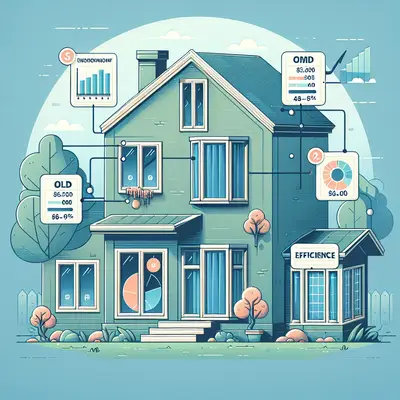
Sophisticated cost analysis begins by widening the frame far beyond the installation invoice. High-performing windows influence at least four ongoing financial dimensions: energy consumption, maintenance, durability, and resale positioning. A modestly priced unit that needs repainting, reglazing, or replacement hardware every few years can quietly eclipse the initial savings within a decade.
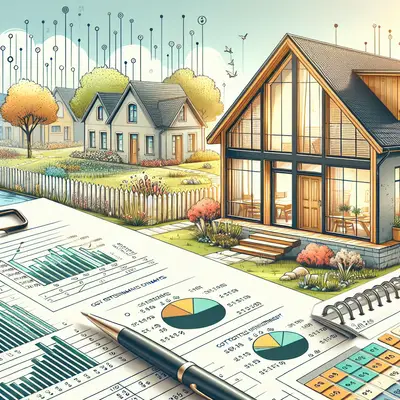
Conversely, premium frames, advanced glazing, and superior finishes tend to compress ongoing costs—even as they expand comfort and desirability. Consider the lifetime horizon: 20–30 years of seasonal heating and cooling, exposure to weather, and changing buyer expectations. Over that timeline, small differences in U-factor, solar heat gain coefficient (SHGC), and frame material can translate into substantial operating-cost divergence.
The refined question becomes: “What is the 20-year cost per year of performance, not simply the upfront cost per window?” When examined in this light, certain luxury-spec solutions—particularly those blending high energy performance with low-maintenance materials—often emerge as the quiet bargain.
Comfort as a Financial Asset, Not a Luxury
At a premium level of homeownership, comfort is often treated as an indulgence—but in practice, it is an under-recognized financial asset that directly shapes how you live, and how your home is valued.
High-spec windows do more than insulate; they stabilize the interior climate. By reducing drafts, cold spots near glass, and solar overheating, they allow occupants to set thermostats more conservatively without sacrificing comfort. That behavioral shift may appear subtle—one or two degrees in winter, slight moderation in summer cooling—but over years, it compounds into measurable cost reductions.
Moreover, comfort and perceived quality are tightly correlated. Prospective buyers notice the absence of temperature swings, the way rooms feel uniformly temperate, the way large glass expanses invite light without glare or heat. These experiences register as “this house feels well-built,” silently supporting a premium asking price. In that sense, comfort is monetized twice: first through reduced energy expenditure, then through enhanced buyer willingness to pay.
When evaluating window costs, it is worth asking: “Does this specification merely meet code, or does it deliver the kind of comfort that future buyers will perceive as an elevated standard?”
Material Choices as Long-Term Financial Signatures
Frame material is often reduced to aesthetic preference, but in a refined cost analysis it becomes a long-term financial signature etched into your home.
Wood, fiberglass, high-end vinyl, aluminum-clad hybrids—each carries its own balance of acquisition cost, thermal performance, dimensional stability, and maintenance profile. A beautiful, poorly chosen material in a harsh climate can become a recurring line item; a more thoughtful selection can remain visually pristine and structurally true for decades with minimal intervention.
For example, aluminum-clad wood windows can deliver the warm interior presence of wood while shielding the exterior from weather, substantially lowering repainting and refinishing costs over time. Fiberglass frames, dimensionally stable and highly durable, tend to maintain their seal integrity and fit under temperature extremes, preserving energy performance and reducing the risk of early replacement.
In a premium home, the calculus is not “What is the least expensive material that looks acceptable?” but “Which material will maintain its aesthetic, performance, and structural integrity gracefully through decades of exposure?” The most economical choice for a refined residence is often the one that ages beautifully with minimal financial and practical intrusion.
Performance Metrics as Negotiation Tools with the Future
Energy performance numbers are not simply technical data; they are negotiation tools with your future utility bills and prospective buyers.
Metrics such as U-factor, SHGC, visible transmittance (VT), and air leakage ratings give you a precise language for articulating value beyond design. A window with a lower U-factor reduces heat transfer; an intelligently selected SHGC can mitigate summer heat gain in sunny exposures while preserving beneficial winter solar warmth where appropriate. Together, they shape your future energy envelope.
From a cost-analysis perspective, you are in effect “locking in” a performance contract the day you sign the window order. The more precisely tailored those metrics are to your climate, orientation, and lifestyle, the more favorable the long-term financial trajectory. In some markets, documented high-performance windows can also support marketing claims—“energy-efficient home,” “enhanced thermal envelope,” “triple-pane comfort”—that differentiate your property when it eventually returns to the market.
Instead of treating performance metrics as technical clutter, consider them your quiet leverage. You are not merely buying windows; you are writing the terms under which your home will trade energy for comfort and how it will compete in a future, more efficiency-conscious resale landscape.
Installation Quality: The Hidden Multiplier of Every Line Item
No cost analysis is complete without confronting the most frequently underestimated variable: installation.
Even the most luxurious, technologically advanced window is only as effective as the precision of its fit, the integrity of its flashing, and the discipline of its air-sealing. Poor installation can erase the promised performance of high-end units, introduce moisture risks, and accelerate deterioration of surrounding building materials—all of which carry cascading, compounding costs.
In financial terms, installation quality is a multiplier. A meticulously installed mid‑range product can outperform a carelessly installed premium one over time; conversely, expertly installed top-tier windows deliver the full measure of their energy savings, comfort, and longevity. This is why the most sophisticated homeowners scrutinize not only product specifications but also who will be handling the tape measure, flashing, and foam.
When reviewing quotes, it is worth looking past the per-unit price and asking: How is the opening being prepared? What air and water management strategies are being employed? Are installers trained and certified by the manufacturer? These questions are not about fussiness; they are about safeguarding the return on every other dollar you invest in the windows themselves.
Conclusion
Viewed through a refined lens, window upgrades are not a line-item expense but a long-duration asset strategy that shapes your daily experience, your home’s operating budget, and ultimately its market stature.
The silent balance sheet of beautiful windows is composed of more than glass thickness and frame profiles. It is written in the stability of interior temperatures, the absence of maintenance interruptions, the quiet of a well-sealed envelope, and the ease with which future buyers recognize care, intention, and quality.
For the homeowner who demands both elegance and financial intelligence, the most successful window project is the one where every aesthetic decision is paired with a clear understanding of its long-term cost behavior—and where the view out is matched by an equally clear view into the future value it creates.
Sources
- [U.S. Department of Energy – Energy-Efficient Windows](https://www.energy.gov/energysaver/design/windows-doors-and-skylights/energy-efficient-windows) - Explains how window performance affects energy costs and key metrics like U-factor and SHGC
- [ENERGY STAR – Residential Windows, Doors and Skylights](https://www.energystar.gov/products/building_products/residential_windows_doors_and_skylights) - Details efficiency criteria, climate-based recommendations, and potential energy savings
- [Efficient Windows Collaborative (National Fenestration Rating Council)](https://www.efficientwindows.org/benefits.php) - Provides analysis of window benefits, including energy, comfort, and condensation performance
- [University of Minnesota Extension – Choosing Energy Efficient Windows](https://extension.umn.edu/windows-and-doors/choosing-energy-efficient-windows) - Offers guidance on performance ratings, climate considerations, and long-term implications of window selection
- [U.S. Environmental Protection Agency – Adding or Replacing Windows](https://www.epa.gov/radon/adding-or-replacing-windows) - Discusses broader considerations when replacing windows, including performance and home health impacts
Key Takeaway
The most important thing to remember from this article is that this information can change how you think about Cost Analysis.