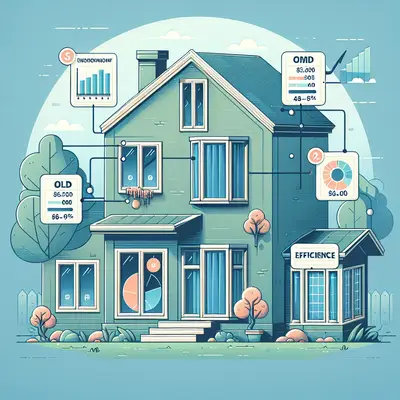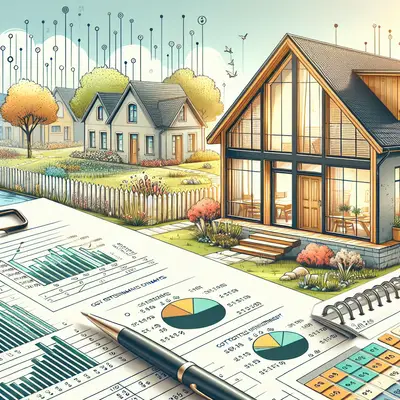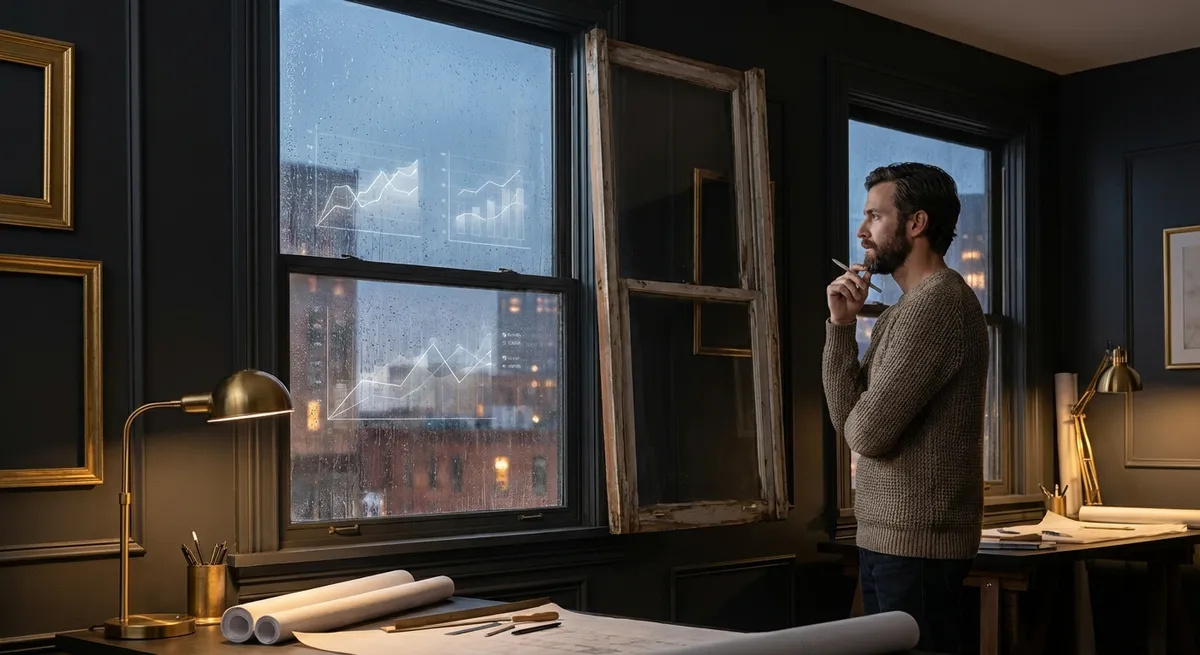
Upgrading your windows is rarely an impulsive purchase; it is a quiet capital decision that influences comfort, aesthetics, and long‑term wealth. Behind every elegant frame and pristine pane lives a cost structure that is more nuanced than the sticker price. For discerning homeowners, understanding that structure is the difference between a merely “new” window and a strategically chosen architectural asset.
This cost analysis is designed for those who expect more than basic payback periods. It reveals where value is created, where it quietly evaporates, and how to align your investment with the level of performance and refinement you actually desire.
Rethinking “Cost”: From Expense to Architectural Capital
When evaluating windows, many homeowners start with unit price and basic installation bids. That approach is understandable—and incomplete. High‑end windows exist at the intersection of engineering, craftsmanship, and building science, and their cost behaves more like long‑term capital than a simple expense.
A premium window upgrade influences multiple financial lines simultaneously: energy consumption, maintenance, insurance risk, resale value, and even the lifespan of surrounding building materials. For example, better glazing and tighter frames can reduce interior sun damage, preserving hardwood floors, artwork, and textiles that would otherwise need premature replacement. In high‑value homes, that protection alone can rival the energy savings.
Moreover, the right window system can strategically future‑proof a property. As energy codes tighten and buyers become more literate about performance metrics (U‑factor, solar heat gain coefficient, visible transmittance), older, under‑performing windows risk becoming a visible liability. By treating window upgrades as architectural capital—similar to a curated kitchen or custom millwork—you position the property as current, not merely “up to code.”
Insight 1: The Hidden Return of Comfort and Quiet
Comfort is notoriously difficult to quantify, yet it exerts a powerful influence on perceived value. High‑performance windows do more than control heat loss; they refine the acoustic and thermal personality of a space.
From a cost perspective, comfort yields subtle but real returns. Homes with fewer drafts, more stable temperatures, and reduced street noise tend to support higher occupancy satisfaction and longer ownership horizons. That stability often delays major renovations driven by “feeling tired” of a space. When a room feels serene in January and luminous—but not overheated—in July, it is remodeled less often.
There is also a productivity and wellness dimension. Spaces with proper daylighting and reduced glare support better concentration and sleep patterns. While you will not see “improved circadian rhythm” on an invoice, it strongly influences how livable a home feels, and sophisticated buyers are increasingly attuned to this. The cost premium for glass with advanced coatings or laminated acoustic panes can therefore be understood as an investment in how quietly and comfortably the home performs, not just in how it looks from the curb.
Insight 2: Time as a Line Item—Durability, Maintenance, and Lifecycle
The initial invoice rarely tells you how demanding a window will be over the next 20–30 years. Lower‑priced units with attractive finishes can conceal more frequent repainting, seal replacement, hardware failures, or fogged insulated glass units, all of which translate to recurring costs—both financial and logistical.
A refined cost analysis compares windows on their projected lifecycle, not their purchase price. Consider:
- Finish longevity: High‑end aluminum cladding or factory‑applied finishes on wood interiors typically outlast field‑applied coatings, preserving appearance and minimizing repainting.
- Hardware quality: Robust hinges, locks, and operators reduce the likelihood of service calls and premature replacement.
- Seal integrity: Better manufacturing tolerances and gas fills (such as argon or krypton) can extend clarity and performance before any risk of condensation between panes.
This is where material and brand pedigree matter. A window that is 20–30% more expensive upfront but reliably holds its performance and finish for a decade longer may, when discounted over time, become the less costly option. The true luxury here is not just appearance—it is the near absence of ongoing maintenance drama.
Insight 3: Matching Window Performance to Climate and Orientation
Not every home needs the same level of glass sophistication. The most elegant cost decisions are those tailored precisely to climate, orientation, and how each room is used.
For example, south‑ or west‑facing elevations in sunny climates bear the brunt of solar gain. Here, investing in low‑emissivity (low‑E) coatings with carefully chosen solar heat gain coefficients can significantly reduce cooling loads. By contrast, in colder northern climates, some windows may benefit from allowing more passive heat in, particularly if shading is thoughtfully designed.
Orientation‑specific specification—selecting different glazing packages or frame types for different façades—allows you to concentrate premium performance where it makes the greatest impact. A family room with expansive glazing overlooking a view justifies the very best glass package; a secondary utility space may not. This “targeted excellence” approach allows you to maintain a high level of overall refinement while preventing unnecessary over‑spend on less critical openings.
Insight 4: The Resale Multiplier of Visible Quality
Certain home improvements whisper; others speak clearly during a showing. Windows belong to the latter category. Prospective buyers may not know technical terms, but they can feel solid latches, hear how quietly a sash closes, and see the clarity of the glass and precision of the joinery.
From a cost‑benefit standpoint, windows have a unique dual presence: they are visible from the street and continuously experienced from within. High‑end frames and meticulous installations read as architectural intent, not as remedial upgrades. This often shortens time on market and improves perceived value relative to comparable homes with builder‑grade fenestration.
Real estate professionals increasingly highlight newer, efficient windows in listings, especially in premium markets where buyers expect a certain performance baseline. Well‑chosen window systems, accompanied by documented ratings and warranties, can function as a credible, tangible signal that the entire home has been maintained to a high standard. In this way, a thoughtful window investment leverages a resale multiplier: it may not return every dollar numerically, but it supports overall pricing power and buyer confidence.
Insight 5: Beyond Energy Savings—Stacking Secondary Benefits
Energy savings are often cited as the primary justification for window upgrades, yet they are only one layer in a more intricate value stack. Discerning homeowners should also consider secondary benefits that quietly bolster the cost rationale.
Upgraded windows can improve safety and security, especially when paired with laminated glass, enhanced locking systems, or impact‑rated assemblies in storm‑prone regions. These features may, in some cases, reduce insurance premiums or avoid costly damage during extreme weather events.
There is also a preservation benefit: advanced coatings that reduce UV transmission protect finishes, art, and fabrics from fading, subtly prolonging the life of interior investments that often exceed the cost of the windows themselves. Additionally, moisture management and reduced condensation near frames help shield adjacent materials—paint, plaster, trim—from deterioration, preventing small cosmetic issues from becoming more invasive repairs.
When you evaluate windows through this broader lens—energy, security, preservation, resilience—the cost premium of higher‑caliber solutions becomes more comprehensible. You are not purchasing glass; you are refining the building envelope’s overall behavior.
Conclusion
A sophisticated window upgrade is as much a financial strategy as it is a design decision. The apparent cost on the proposal sheet is only the opening act; what matters is how those windows perform silently, day after day, year after year—protecting comfort, aesthetics, and the home’s long‑term narrative of quality.
By re‑framing windows as architectural capital, recognizing the hidden return of comfort and quiet, examining lifecycle rather than purchase price, matching performance to climate and orientation, and stacking the secondary benefits that often go unpriced, homeowners can move beyond generic “energy payback” stories. Instead, they can commission window solutions that feel as considered as a bespoke suit: precisely fitted, enduring, and unmistakably elevated.
Sources
- U.S. Department of Energy – Energy-Efficient Windows - Explains window performance metrics, glazing options, and how windows affect energy use and comfort.
- Efficient Windows Collaborative (now National Fenestration Rating Council) - Details the benefits of efficient windows, including energy savings, comfort, and condensation reduction.
- National Association of Realtors – 2023 Remodeling Impact Report - Provides data on how various home upgrades, including windows, influence resale value and owner satisfaction.
- Federal Trade Commission – Shopping for New Windows - Offers guidance on understanding window claims, labels, and performance ratings from a consumer protection standpoint.
- Lawrence Berkeley National Laboratory – Windows and Daylighting - Research insights on how windows affect energy use, daylighting quality, and overall building performance.
Key Takeaway
The most important thing to remember from this article is that this information can change how you think about Cost Analysis.