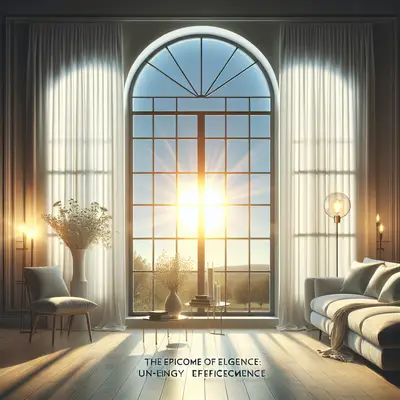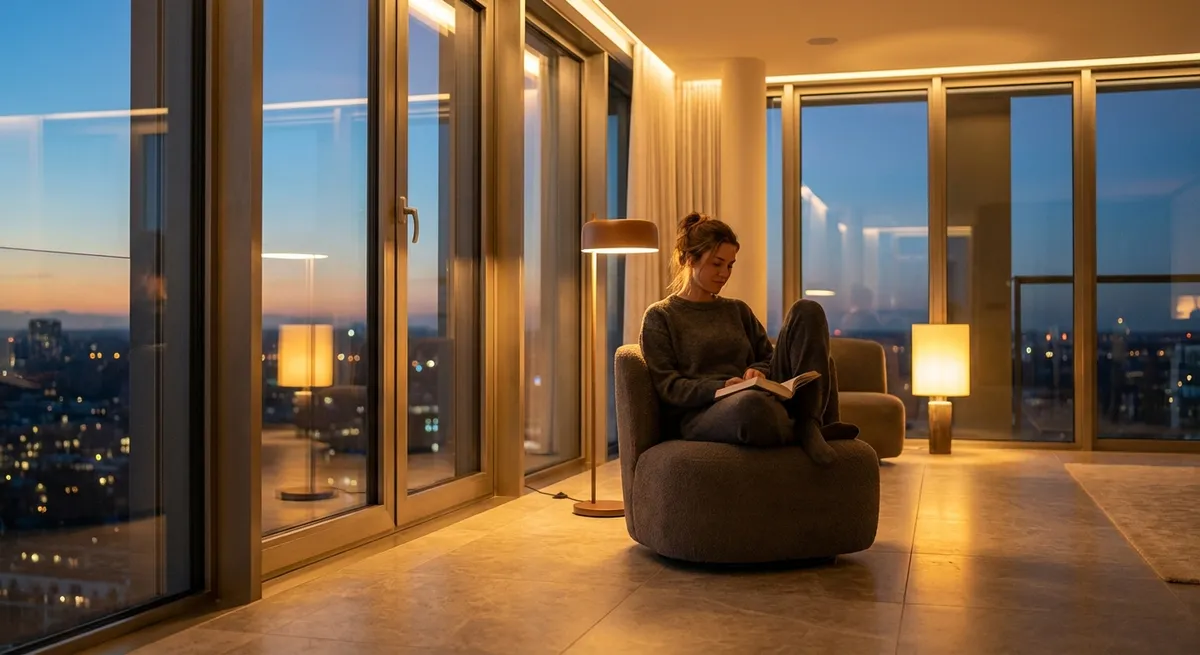
For the design-conscious homeowner, energy efficiency is no longer a utilitarian checkbox—it is part of the home’s character. Windows, in particular, do far more than admit light; they shape comfort, acoustics, monthly operating costs, and even the perceived quality of space. Approached thoughtfully, a window upgrade transforms the building envelope into a kind of tailored suit: visually elegant, technically precise, and quietly powerful in its performance.
Below are five exclusive, often-overlooked insights that elevate window selection from a basic replacement project into a considered investment in long-term efficiency and comfort.
1. The “Comfort Zone” Index: Looking Beyond U-Factor and SHGC
Most homeowners know to look for a low U-factor (how well a window insulates) and an appropriate Solar Heat Gain Coefficient (SHGC). Yet what truly defines everyday satisfaction is not the label, but the comfort zone that the window creates around your living spaces.
A well-chosen, high-performance window reduces radiant temperature asymmetry—the difference between the temperature of the glass surface and the air in the room. When that difference is minimized, you can sit next to a large expanse of glass in winter without feeling a chill, or enjoy a sunlit reading corner in summer without oppressive heat.
Elite windows achieve this through a combination of technologies: multiple glazing layers, argon or krypton gas fills, warm-edge spacers that reduce edge-of-glass heat loss, and precision-engineered frames that limit thermal bridging. Look for windows tested and certified by programs such as ENERGY STAR and the National Fenestration Rating Council (NFRC), but go a step further: ask the manufacturer for interior surface temperature data or comfort-focused performance metrics in your climate. That is where efficiency becomes a lived, tactile experience, not merely a number on a sticker.
2. Spectral Selectivity: Curating Daylight Without the Heat
Not all sunlight is created equal. The most advanced window coatings do more than “block heat”; they selectively manage different parts of the solar spectrum. This concept—spectral selectivity—lets you enjoy luminous, natural daylight while filtering out a disproportionate share of infrared heat and ultraviolet rays.
High-end low-emissivity (low-E) coatings are engineered to:
- Admit visible light generously, preserving clarity and brightness
- Reflect or absorb a large portion of infrared energy that causes overheating
- Block damaging UV to help protect hardwoods, textiles, and artwork
The art lies in specifying the right glass recipe for each orientation of the home. South- and west-facing façades often benefit from more assertive solar control, while north-facing or shaded elevations may call for coatings that prioritize visible light transmission to avoid a dim interior. A sophisticated window strategy treats your envelope as a curated gallery: daylight is welcome, glare and unnecessary heat are not.
When working with an architect or window specialist, request spectrally selective glass options and compare visible light transmittance (VT) alongside SHGC. The right combination can reduce cooling demand, improve visual comfort, and maintain that prized crisp, modern transparency.
3. Frame Architecture: The Hidden Geometry of Thermal Performance
Glass usually gets the attention, but the frame quietly governs a surprising amount of energy performance and aesthetic nuance. Two windows with similar glass packages can behave very differently if their frames are differently engineered.
Premium frames use sophisticated geometries and materials to minimize heat transfer:
- Fiberglass and composite frames often have low thermal conductivity and resist warping, helping preserve the integrity of seals over time.
- Thermally broken aluminum offers a slender, architectural profile, but with internal insulating barriers to disrupt heat flow.
- High-end vinyl or hybrid systems can incorporate multi-chamber designs that trap air, improving insulation without excessive bulk.
The internal structure—the number and placement of chambers, insulation inserts, and thermal breaks—matters as much as the visible finish. Ask for the frame’s contribution to the overall U-factor and whether warm-edge spacers and insulated sills are part of the assembly. In colder climates, a carefully specified frame can help ensure the interior face of the window remains comfortably warm and resistant to condensation.
Architecturally, refined frames balance minimal sightlines with robust thermal performance. That balance is what allows large expanses of glass to feel both airy and quietly efficient, rather than visually impressive but energetically punitive.
4. Airtightness as a Luxury: The Silent Efficiency Multiplier
Energy efficiency is often discussed in terms of insulation value, but air leakage is the quiet variable that differentiates a merely good window from a genuinely luxurious one. Tiny, uncontrolled drafts can undermine the best glazing system, creating cold spots, dust infiltration, and a subtle sense of discomfort—especially in shoulder seasons when mechanical heating and cooling are off.
A premium window assembly treats airtightness as a central design objective:
- Robust, multi-point locking hardware pulls sashes firmly into gaskets.
- High-quality compression seals maintain their resilience over time, even with frequent operation.
- Precision manufacturing tolerances reduce micro-gaps where conditioned air can escape and outside air can intrude.
Look for low air leakage ratings on NFRC labels and ask about test results for the specific product line you’re considering. Equally important is the interface between window and wall: professional installation with properly detailed flashing, tapes, backer rod, and sealants can significantly enhance—or diminish—the effective airtightness of the entire opening.
The result of doing this well is palpable: rooms feel calmer, temperatures more stable, and exterior noise is softened. Airtightness, in this context, becomes a form of invisible luxury.
5. Dynamic Strategy: Pairing Fixed and Operable Units for Peak Efficiency
A refined window plan does not treat every opening identically. Instead, it composes a mix of fixed and operable units, each chosen for its role in the home’s energy story. This is where efficiency, comfort, and architectural rhythm converge.
Key strategic pairings include:
- Fixed picture windows for maximum thermal performance and expansive views, since they lack operable joints and hardware that can leak energy.
- Casement or awning windows positioned to capture prevailing breezes, enabling natural ventilation that can significantly reduce cooling loads in mild seasons.
- Tilt-and-turn systems in higher-end designs, offering flexible ventilation control (tilt for gentle airflow, turn for full opening) while maintaining robust seals when closed.
By understanding how your home behaves across seasons—where heat builds, where cross-ventilation is possible—you can place operable units with intent, rather than by habit. This may allow you to downsize mechanical systems, rely more on passive cooling, and preserve a serene interior during peak conditions.
Moreover, the composition of fixed and operable windows can refine the façade’s visual cadence. Larger, thermally optimized fixed units can frame key views, while slimmer operable windows, strategically located, provide function without cluttering the architecture.
Conclusion
Energy-efficient windows at the premium level are not simply “better versions” of standard units; they are architectural instruments that orchestrate light, temperature, acoustics, and long-term operating costs. By looking beyond basic ratings to comfort zones, spectral selectivity, frame architecture, airtightness, and a dynamic mix of fixed and operable units, homeowners can create an envelope that feels curated rather than merely compliant.
In a well-conceived upgrade, the windows disappear as an object of concern. What remains is the experience: a quieter, more stable, more luminous home that performs with the quiet assurance of something designed, not improvised. Energy efficiency, in that context, becomes part of the home’s elegance—a silent but unmistakable mark of quality.
Sources
- ENERGY STAR: Residential Windows, Doors and Skylights – Overview of certified products, efficiency criteria, and climate-specific guidance
- National Fenestration Rating Council (NFRC) – Explains window performance ratings (U-factor, SHGC, VT, air leakage) and how to interpret labels
- Efficient Windows Collaborative – Window Selection Tool – Comparative information on window performance by climate and frame/glazing type
- U.S. Department of Energy – Energy Saver: Windows, Doors and Skylights – In-depth guidance on window technologies, gas fills, coatings, and installation considerations
- Lawrence Berkeley National Laboratory – Windows and Daylighting – Research-based insights on advanced glazing, spectral selectivity, and building envelope performance
Key Takeaway
The most important thing to remember from this article is that this information can change how you think about Energy Efficiency.