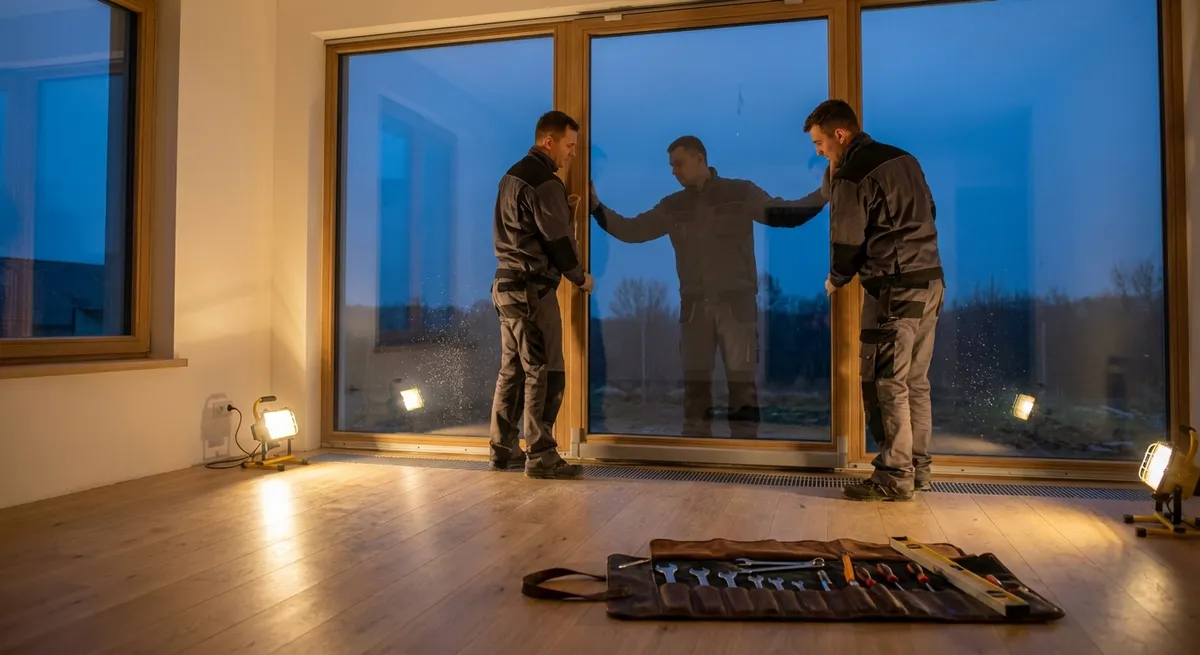
The most successful window upgrades do not announce themselves with chaos, dust, and disruption. They unfold as a quiet transition—an orchestrated sequence in which craftsmanship, planning, and discretion work in harmony. For homeowners accustomed to a certain standard of living, installation is not a necessary inconvenience; it is a curatable experience. The true luxury lies not only in the windows you select, but in how they are introduced to your home.
Below are five exclusive, often overlooked insights that elevate window installation from a construction task into a refined, well-managed transformation.
Designing the Installation Experience, Not Just the End Result
Most homeowners focus on “before and after” images: old windows removed, new ones in place, views transformed. Sophisticated planning adds a missing dimension—the “during.”
A refined installation process begins weeks in advance with a pre-installation walkthrough. Here, you and the installation lead quietly map the choreography: access routes that keep public areas pristine, protection plans for art and furnishings, and the staging location for materials that keeps your exterior grounds orderly. This is also where you can align on noise-sensitive hours, preferred days, and the cadence of each phase so your daily rhythm remains largely undisturbed.
High-caliber installers should propose surface protection as a default, not an add‑on: anti-slip floor runners, corner guards on vulnerable walls, and window-to-room segmentation so your entire home is never “under siege” at once. The most refined projects feel almost hotel-like—work is evident, yet tightly contained. The objective is not simply to install windows correctly, but to ensure the experience respects the quiet integrity of the home and those who live in it.
Precision Beyond the Opening: How Surrounding Architecture Is Treated
Standard installations focus on the opening itself. Elevated installations consider the entire architectural context: wall assemblies, trim profiles, façade materials, and interior detailing. This is where discernment shows.
An expert team will investigate the wall composition behind your finishes—masonry, stud framing, insulation type, vapor barriers—because each demands a different strategy for anchoring, air sealing, and moisture control. In finely built homes, window openings are rarely generic rectangles; they are intersections of structure, plaster, stone, millwork, and sometimes integrated shades or casings. A careless move can fracture plaster keys, misalign trim reveals, or create subtle undulations that cheapen an otherwise expensive opening.
The most competent installers carry digital levels, shims in varied densities, and fasteners tuned not only to structural needs but to substrate compatibility. They will also identify in advance where trim might need to be carefully detached and reinstalled, rather than crudely undercut or forced apart. This level of attention preserves the original architectural language of the home—your new window should read as a natural evolution, not a foreign insertion.
The Hidden Acoustics of Installation: Quiet Preparation for a Quieter Home
Luxury is often measured in decibels. In urban or high-traffic settings, the way windows are installed can profoundly influence acoustic performance—sometimes more than the glass specification itself.
Sophisticated homeowners view installation as an acoustic event, not just a structural one. Foam, backer rod, and sealants are not simply “gap fillers”; they form part of a layered sound-control assembly. Oversized cavities loosely filled with generic foam can create resonant voids. Conversely, correctly sized backer rod, dense pack insulation where appropriate, and carefully selected sealants can dampen vibration and create a more acoustically inert frame perimeter.
Equally important is the integrity of adjacent elements. Unsealed service penetrations near window walls, loosely fitted drywall returns, and poorly tied-in head and sill conditions can reintroduce sound leaks that degrade the performance of even the best acoustic glazing. Ask your installer how they test for air leakage around new units—blower door tests or localized smoke pencil checks can verify that the acoustic promise of your new windows is fully realized in the field. In a refined interior, silence is not an accident; it is engineered.
Micro-Alignment: The Art of Perfect Operation and Long-Term Stability
Many installations are declared “complete” once the sash moves and the lock engages. At a higher standard, operation is treated almost like fine joinery—subtle, precise, and deeply intentional.
Micro-alignment begins with more than just “level, plumb, square.” It includes checking reveal consistency around the sash, ensuring equal compression of weatherstripping, and eliminating torsion or racking that might not be visible but will emerge over time as squeaks, binding, or drafts. In multi-panel assemblies or large format units, installers should sequence fastening and shimming to prevent frame distortion as the structure moves, especially in regions with temperature and humidity swings.
For tilt-and-turn, lift-and-slide, or oversized pivot windows, specialized calibration is essential. Hardware must be precisely adjusted so handles operate with a smooth, even resistance, and so that gaskets engage uniformly when closed. This is where you feel the difference between a competent installation and an exceptional one: the window does not simply close, it seats with a quiet, deliberate finality. Over years, this micro-precision protects against premature wear, hardware fatigue, and creeping misalignment that undermines both comfort and performance.
A Refined Handover: Documenting the Window as a Long-Term Asset
In many projects, the final day of installation is a hurried conclusion: a brief glance, a quick signature, and the crew departs. For a home of consequence, you should expect more—a considered handover that treats your windows as enduring assets rather than consumable products.
A premium handover typically includes a consolidated dossier: installation dates, product models and specifications, glazing details, warranty terms, and recommended maintenance intervals. When you have multiple window types—tilt-and-turn in some rooms, fixed glazing elsewhere, specialty hardware in key locations—this documentation becomes invaluable for you, your property manager, or future owners.
Equally important is a guided orientation. A discerning installer will walk you through the subtleties: correct operation modes, how to ventilate without compromising security, whom to contact for seasonal adjustments, and what not to do (such as applying incompatible films or caulks that void warranties). This elevates installation from a one-time event into the beginning of a well-managed lifecycle. Your windows are no longer just “new”; they are curated components in a long-term stewardship plan for the residence.
Conclusion
Refined window installation is defined less by spectacle and more by what you do not see—or hear. Floors remain unscuffed, trim remains intact, sash lines remain precise, and the home’s equilibrium is minimally disturbed. Behind that apparent effortlessness lies discipline: architectural sensitivity, acoustic thinking, micro-level alignment, and robust documentation.
For homeowners at the upper end of the market, treating installation as an orchestrated experience rather than a mere trade service unlocks the true potential of superior windows. The result is not only improved comfort and performance, but a quiet assurance that every detail—visible and hidden—honors the standard to which you hold your home.
Sources
- U.S. Department of Energy – Window Types and Technologies - Overview of window components and performance factors that influence proper installation and long-term efficiency
- Efficient Window Coverings and Attachments – Lawrence Berkeley National Laboratory - Research-based insights on window systems, performance, and building integration
- American Architectural Manufacturers Association (AAMA) Installation Resources - Industry guidelines and best practices for high-quality window and door installation
- FGIA (Fenestration and Glazing Industry Alliance) – Installation Practices - Technical resources and standards for fenestration installation in premium residential projects
- Building America Solution Center – Window Installation Details - Detailed guidance on integrating windows with wall assemblies, air barriers, and flashing systems
Key Takeaway
The most important thing to remember from this article is that this information can change how you think about Installation.