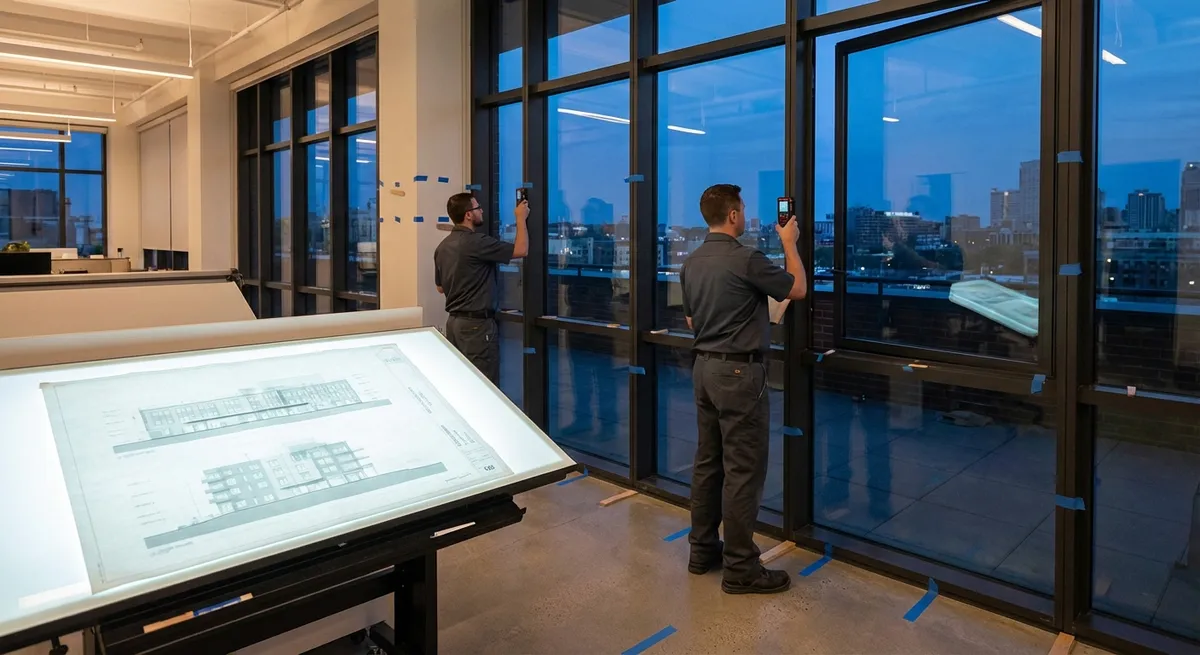
The most transformative window upgrades are rarely about glass alone—they are about how that glass is positioned, anchored, and integrated into the architecture of your home. A premium window can still underperform if its installation is approached as a commodity task rather than a finely tuned discipline. For the homeowner who cares as much about acoustic stillness and thermal poise as about clean sightlines and architectural integrity, installation becomes an act of quiet engineering.
This is where nuance matters: the depth of the window in the wall, the profile of the frame, the calibration of air and water seals, and the orchestration of trades on installation day. Below, we explore a more elevated lens on installation, with five exclusive insights that discerning homeowners should insist upon—long before the first old sash is removed.
Installation as an Architectural Decision, Not a Technical Afterthought
Most window projects are scoped as “replace-in-kind” exercises: remove old units, insert new ones, seal, and walk away. Yet every opening in your home is effectively a micro façade, where structural, thermal, and aesthetic considerations converge. Treating installation as an architectural decision reframes the entire process.
A sophisticated installation strategy begins with how each window mediates between exterior conditions and interior life. Are you orienting the frame to capture low winter sun while shielding from harsh summer glare? Are you intentionally balancing visual alignment across the elevation so mullions line up with interior elements like stair landings or cabinetry? A premium installer will collaborate with architect, designer, or homeowner to refine reveal depths, frame colors, and trim interfaces so the windows recede elegantly into the wall rather than sit awkwardly on top of it.
Crucially, architectural thinking also includes the wall assembly itself. Older homes may rely on plaster and lath, balloon framing, or mixed substrates that require bespoke detailing—especially where water, air, and vapor planes must be re-established. The finest installations are less about “making the window fit” and more about re-engineering each opening as a properly layered, durable, and visually resolved assembly.
Hidden Thermal Geometry: Where You Place the Frame Inside the Wall Matters
Most homeowners assume that as long as the rough opening is correct, performance is guaranteed by the window’s rating. In reality, where the frame sits within the wall’s depth can quietly redefine the thermal experience of a room.
In high-performance building practice, windows are often aligned with the primary insulation layer to minimize thermal bridging. When the frame is pushed too far to the exterior, it may expose more frame and structural members to temperature extremes, undermining the insulation’s effectiveness. Positioning the window more inboard—especially in deep wall assemblies—can create a more stable interior surface temperature, reducing drafts and cold-surface discomfort even when the room’s thermostat remains constant.
This “thermal geometry” also affects condensation risk. A poorly positioned frame may produce colder interior surfaces at the glass edge, inviting condensation and potential mold growth in climate zones with significant seasonal swings. A refined installer will consider insulation type, wall thickness, cladding, and interior finishes, then propose a precise frame position that aligns performance, comfort, and aesthetics—particularly for large-format or floor-to-ceiling glazing where comfort issues can become magnified.
Exclusive Insight #1: Ask your installer where, in cross-section, the new frame will sit relative to your wall’s insulation layer—and why. Their answer reveals whether they are thinking beyond the opening and into the building envelope.
Acoustic Stillness by Design: Beyond Just “Double-Pane” Glass
Most conversations about quiet windows begin and end with glass thickness and double- or triple-pane configurations. Yet the most remarkable acoustic experiences are often the result of meticulous installation decisions, not just product specifications.
Sound travels along the path of least resistance, and poorly detailed installations create acoustic “leaks” even when the window unit itself is high-performance. The type of perimeter sealant, backer rod, and insulation used around the frame can dramatically influence perceived noise levels. Expanding foam chosen solely for speed can introduce voids or inconsistent density, whereas carefully packed mineral wool or specialized acoustic sealants can produce a notably calmer interior.
Frame anchoring also matters. Rigid, poorly isolated connections to structure can transmit vibration from exterior noise sources—particularly near busy streets or flight paths. An elevated installation plan may adjust anchoring patterns, incorporate resilient materials where appropriate, and refine interior casing details to reduce resonant cavities that can amplify sound.
Exclusive Insight #2: When interviewing installers, ask specifically how they treat the gap between the window frame and the rough opening for acoustic control—not just for “air sealing.” A premium professional will differentiate between basic sealing and noise-attenuating strategies.
Curated Daylight and Glare: Installation as Light Management
The finest window projects curate daylight as deliberately as an art gallery curates illumination. While glazing type and coatings matter, the installation itself is a powerful tool for shaping how light enters and behaves within your home.
Adjusting the in-wall depth of the window can subtly change how sunlight is shaded by exterior overhangs or interior jambs. Deeper interior returns can create a soft, framed light reveal that reduces harsh contrast and glare on screens or polished surfaces. Exterior trim and the choice of head flashing profiles can be orchestrated to modulate high-angle summer sun while preserving winter light penetration.
For corner windows or large glazed areas, the way mullions are aligned and how transitions are resolved affects not only views but also how reflections and veiling glare occur at different times of day. In spaces like home offices, media rooms, and kitchens where functional light quality is critical, a premium installation strategy will map sun paths, orientations, and use patterns, then refine placement and detailing to balance brightness with comfort.
Exclusive Insight #3: Request a conversation about daylighting specifically—how the chosen installation depth, trim strategy, and exterior shading elements will influence glare and visual comfort across the seasons.
Precision at the Interface: Air, Water, and Vapor as Design Materials
To the experienced installer, air, water, and vapor are not abstract building science concepts; they are “materials” that must be intentionally directed, blocked, or released. The junction between window and wall is the critical stage where those materials either cooperate or silently undermine your investment.
A refined installation plan begins with a clear continuity strategy: where is the primary air barrier, and how will the window integrate with it? Are membrane flashings and sealants compatible with both the window frame and the existing or new weather-resistive barrier? Are sloped sills, end dams, and drainage paths being designed to allow water to escape rather than be trapped in the wall?
Vapor considerations become particularly sophisticated in mixed-humid or cold climates. The wrong combination of interior air sealing and exterior vapor resistance around the window can create concealed condensation within the wall. High-caliber professionals evaluate climate zone, interior humidity targets, and wall composition before finalizing their detailing approach, selecting materials and methods that respond to your home’s specific conditions rather than applying a generic “one size fits all” solution.
Exclusive Insight #4: Insist on a drawing or written explanation of how the air, water, and weather barriers will be managed at each opening. This single document often distinguishes commodity installation from truly high-performance practice.
Orchestrated Execution: Treating Installation Day as a Carefully Staged Event
For luxury-level window upgrades, installation day should feel less like a construction invasion and more like a carefully choreographed intervention. The way the crew approaches protection, sequencing, and collaboration with other trades has real implications for both performance and aesthetics.
An elevated installer will begin with a protection plan: flooring, furnishings, art, and built-ins are shielded to prevent damage and dust migration. Removal of old units is paced to maintain weather protection, especially in climates susceptible to sudden shifts. Each opening is verified and tuned before the new unit is permanently fastened, with level, plumb, and squareness checked at multiple points, not just at the corners.
Coordination with electricians, integrators, and designers also matters, particularly when integrating motorized shades, concealed wiring for sensors, or bespoke interior finishes. A superior installation team will pre-plan these intersections so that wires are concealed, trim is pre-fitted or custom milled, and any required adjustments do not compromise the performance layers already established.
Exclusive Insight #5: Before committing, ask your installer to walk you through a typical installation day for a similar project—step by step, including protection, sequencing, and quality checks. Their level of detail will signal how they treat your home, your time, and your long-term satisfaction.
Conclusion
Exceptional window performance is never delivered by glass alone. It emerges at the intersection of product, placement, and precision—where installation is elevated from routine labor to a disciplined, design-aware practice. For the homeowner investing in refined comfort, acoustic serenity, and visual clarity, the most powerful leverage lies in the questions you ask before the first opening is touched.
By treating installation as an architectural decision, respecting the hidden thermal and acoustic geometries of your walls, and insisting on a thoughtful strategy for daylight, air, water, and on-site execution, you transform a standard window replacement into a holistic upgrade of your home’s experience. The result is not just a better view to the outside, but a more composed, resilient, and quietly luxurious interior life.
Sources
- [U.S. Department of Energy – Windows, Doors, and Skylights](https://www.energy.gov/energysaver/windows-doors-and-skylights) - Authoritative guidance on energy performance, installation considerations, and envelope integration
- [Efficient Windows Collaborative (Alliance to Save Energy)](https://www.efficientwindows.org/installation.php) - Technical insights on how installation details affect window efficiency and comfort
- [Building Science Corporation – “BSI-001: The Perfect Wall”](https://buildingscience.com/documents/insights/bsi-001-the-perfect-wall) - Foundational building science on wall assemblies, air/water/vapor control layers, and their interaction with windows
- [U.S. Environmental Protection Agency – ENERGY STAR Windows](https://www.energystar.gov/products/building_products/residential_windows_doors_and_skylights) - Overview of performance ratings and criteria that inform high-quality window selection and installation
- [The American Institute of Architects – Architect’s Guide to Building Performance](https://www.aia.org/resources/202011-architects-guide-to-building-performance) - Discusses the role of envelope, daylighting, and detailing in overall building performance and comfort
Key Takeaway
The most important thing to remember from this article is that this information can change how you think about Installation.