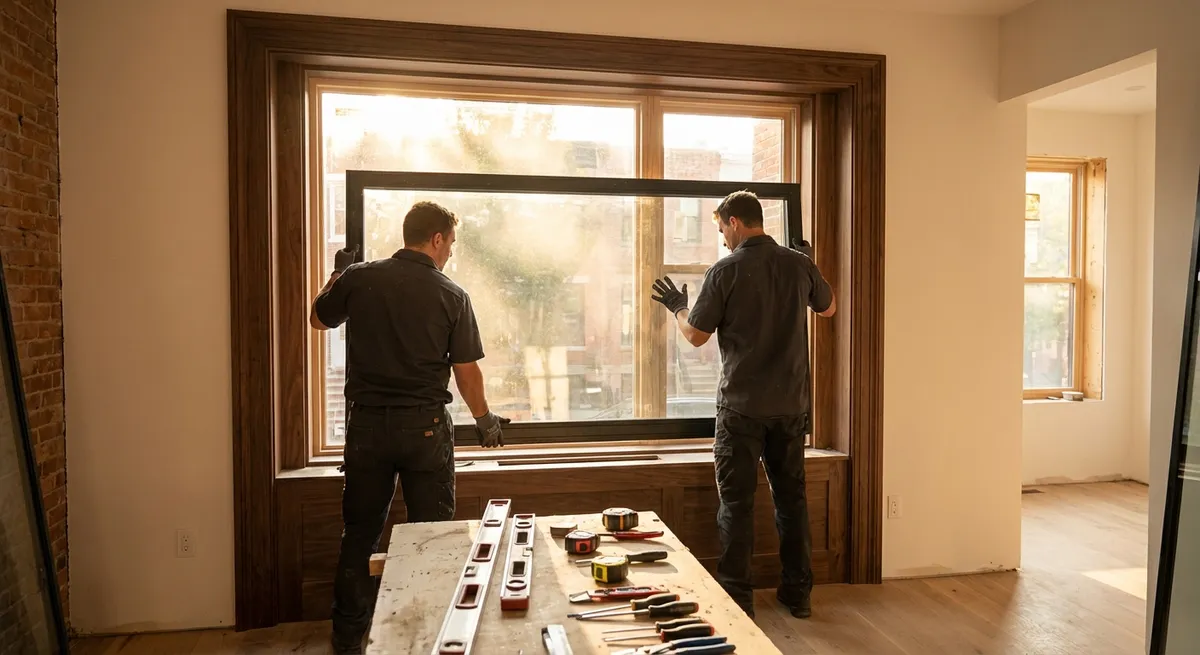
In discerning homes, windows are no longer mere apertures; they are architectural statements that orchestrate light, temperature, and atmosphere. Yet even the most exquisite glazing can underperform—or fail outright—if the installation is treated as a commodity rather than a craft. A truly premium window upgrade is as much about the precision of its installation as it is about the calibre of the product itself.
This guide unveils the nuanced side of window installation that rarely appears in brochures: the quiet decisions, meticulous checks, and refined techniques that separate a routine replacement from a transformative upgrade. Below are five exclusive insights sophisticated homeowners should insist upon before a single sash is removed.
Elevating the Pre-Installation Survey into an Architectural Study
For a premium result, the installation starts long before any tools enter your home. An elevated pre-installation survey approaches your property as an integrated system, not a series of isolated openings.
A refined installer will evaluate wall construction (masonry vs. timber frame, cavity vs. solid wall), existing vapor and weather barriers, structural loads, and even how the sun tracks across your elevations throughout the day. The goal is not simply to “fit a new window,” but to determine whether the opening should be subtly re-sized, repositioned within the wall depth, or re-insulated to optimize performance and aesthetics.
This is also the moment to align function with lifestyle. Tilt-and-turn hardware in upper floors, integrated trickle vents in high-humidity rooms, and laminated acoustic glass facing busy streets are all decisions best made at survey stage—not on installation day. A premium partner will treat this survey as a collaborative design consultation, producing a documented installation plan with clear tolerances, anchoring methods, and thermal strategies.
Homeowners who request this level of detail gain more than peace of mind; they secure a benchmark for quality against which the finished work can be measured.
Precision Framing: The Invisible Architecture Behind Every Sash
Behind every beautifully installed window lies an invisible frame of structural logic and minute tolerances. Where standard installations may rely on filler foam to compensate for irregular openings, high-end work begins by re-architecting the rough opening for stability and symmetry.
Expect your installer to verify plumb, level, and square measurements across multiple planes, not merely “eye” the alignment. In older homes, this often involves carefully correcting twisted or out-of-true openings with planed shims, sistered studs, or specialized brackets rather than forcing the window to conform to a compromised structure.
The positioning of the frame within the wall depth is equally critical. Moving a window closer to the insulated layer, rather than flush to the exterior cladding, can significantly reduce thermal bridging and condensation risk. Thoughtful placement also influences sightlines, ensuring consistent reveal depths throughout the home, which subtly elevates the perceived quality of the entire interior.
When framing is executed to this standard, windows operate effortlessly, seals perform as engineered, and finishes stay pristine for decades—not just seasons.
The Three-Layer Seal Philosophy: Beyond “Caulk and Foam”
A sophisticated installation treats the perimeter joint between wall and frame as a high-performance interface, not an afterthought. Industry-leading practice now follows a “three-layer” philosophy, with each layer assigned a distinct role: exterior weather defense, central thermal and acoustic insulation, and interior airtightness.
Exterior membranes or tapes are selected for UV and weather resistance, allowing any incidental moisture to escape while preventing wind-driven rain from entering. The central zone typically uses carefully applied low-expansion foam or mineral wool, chosen for both thermal performance and long-term dimensional stability. On the interior, airtight tapes or membranes create a continuous pressure boundary, preventing warm moist air from migrating into colder layers where condensation can occur.
The distinction between interior and exterior sealants is critical: a premium installer will never use the same generic caulk on both sides. Each product is specified for its vapor permeability, elasticity, and compatibility with adjacent materials, including renders, claddings, and interior finishes.
This layered approach transforms the window perimeter from a vulnerable weak point into a precisely engineered transition between materials, dramatically improving comfort, reducing drafts, and protecting the building envelope over time.
Orchestrating Light, Privacy, and Acoustics in the Final Millimeters
The final 10–15 millimeters around your windows often determine whether the installation feels truly bespoke or merely adequate. Refined installation practice uses this slender zone to choreograph light, privacy, and acoustic performance with remarkable subtlety.
Interior reveals and trims can be angled or chamfered to bounce natural light deeper into the room, softening contrasts and enhancing perceived brightness without increasing glazing area. Carefully profiled sills and aprons can control how light grazes the wall, disguising minor surface irregularities and focusing attention on the view, not the frame.
On elevations facing neighbours or streets, installers can recommend tailored solutions such as integrated blinds between panes, etched privacy bands, or selective tinting that preserves outward visibility while softening inward views. Acoustic performance can be further refined by ensuring continuous contact between frame, insulation, and interior finishes, avoiding the flanking paths that so often undermine otherwise excellent glazing.
These details do not announce themselves loudly, yet they define the experience of living with your new windows every day—how they feel in morning light, how they sound in a storm, and how discreetly they protect your private world.
Commissioning the Installation: Treating Windows Like Fine Mechanical Instruments
A premium window installation does not conclude when the last pane is cleaned; it is completed when the system has been commissioned. This mindset, borrowed from high-end building systems and mechanical engineering, ensures that every moving and sealing component performs to specification.
A rigorous commissioning process will:
- Verify that all sashes, tilt functions, and locks operate smoothly with consistent resistance.
- Confirm gasket compression is uniform, neither over-crushed nor under-engaged.
- Check that drainage channels and weep holes are unobstructed and correctly oriented.
- Test interior and exterior seals for continuity, especially at corners and junctions.
- Document hardware settings (e.g., adjustable hinges, striker plates) for future fine-tuning.
For larger projects or high-performance homes, some firms now offer blower-door testing post-installation to validate airtightness improvements, providing quantifiable proof that the upgraded windows are enhancing efficiency as promised.
Insist on a commissioning checklist and a handover conversation that walks you through maintenance, cleaning methods suitable for your specific coatings and seals, and recommended inspection intervals. This transforms your investment from a one-time purchase into a carefully maintained asset engineered to retain its performance and elegance over the long term.
Conclusion
Exquisite windows begin with inspired design, but they only reach their full potential through disciplined, detail-obsessed installation. From the initial architectural survey and invisible structural framing to three-layer sealing, light-conscious detailing, and formal commissioning, each step is an opportunity to elevate your home beyond the ordinary.
For homeowners who value refinement, the real luxury lies not merely in the profile of the frame or the specification of the glass, but in the precision with which those elements are integrated into the fabric of the building. When installation is treated as a craft rather than a commodity, your windows cease to be products and become enduring architectural instruments—quietly shaping comfort, atmosphere, and elegance every day.
Sources
- U.S. Department of Energy – Energy-Efficient Window Attachments - Government guidance on improving comfort and efficiency with high-performance window systems and details.
- Efficient Windows Collaborative – Window Selection and Installation - Technical resource on pairing window performance with proper installation for maximum benefit.
- Building America Solutions Center (energy.gov) – Window and Door Installation Details - Research-backed best practices for air sealing, flashing, and integration with wall assemblies.
- FENSA (UK) – Window and Door Installation Standards - Regulatory perspective on compliant, performance-oriented window installation in residential properties.
- Whole Building Design Guide (wbdg.org) – Windows and Glazing - In-depth overview of how glazing and installation interact with building performance and occupant comfort.
Key Takeaway
The most important thing to remember from this article is that this information can change how you think about Installation.