When discerning homeowners contemplate window upgrades, the conversation too often stalls at the quote: a single number, stripped of nuance. Yet windows are not merely line items—they are long-term financial instruments, quietly shaping comfort, operating costs, and even future resale narratives. A sophisticated cost analysis looks beyond the contract total to examine how materials, performance, and design discipline value over time.
This guide unpacks the economics of elevated window choices with a lens tuned to refinement. Rather than broad generalities, you’ll find five exclusive insights—subtleties that rarely appear in standard home-improvement advice, but matter profoundly when you expect your windows to perform beautifully for decades.
Understanding “Total Window Ownership Cost”
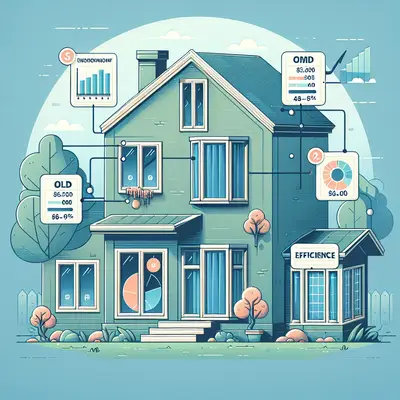
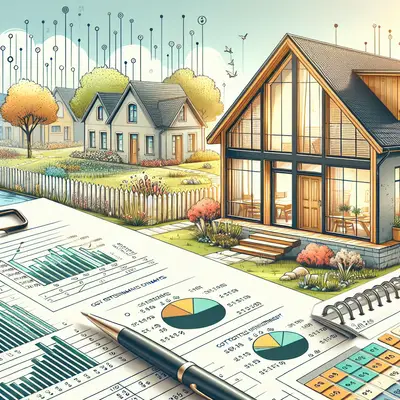
The cost of a premium window is not confined to purchase and installation; it lives in a multi-decade arc of use, care, and replacement avoidance. A true cost analysis integrates four dimensions: initial investment, energy performance, maintenance profile, and lifespan. For instance, higher-spec glazing and advanced frames may appear costly at the front end, yet compress monthly heating and cooling expenses in a way that reshapes the long-term equation.
Moreover, total ownership cost must consider how windows interact with your home’s HVAC system. Superior airtightness and well-calibrated solar heat gain can enable downsized HVAC equipment at replacement, muting one of your largest mechanical expenses. Insurance premiums and risk exposure also factor in: impact-resistant glass or advanced locking hardware can reduce vulnerability to storm damage or burglary, costs that do not appear on a standard window quote but are very real over a 20-year horizon. When you sum these variables, the “cheaper” option frequently becomes the more expensive companion over time.
Exclusive Insight 1: The Return on Precision, Not Just Performance
Most cost calculators focus on U-factor and solar heat gain coefficient, but neglect the financial impact of precision—how closely your windows are matched to your climate, façade orientation, and architectural intent. A West-facing elevation in a hot climate, for example, demands a very different glazing strategy than a sheltered North elevation in a temperate zone. Over-specifying performance where it is not needed is as wasteful as under-specifying it where it is critical.
The refined approach is to assign performance budgets per façade, not per house. You might designate ultra-high-performance glazing with low solar heat gain where afternoon sun is harsh, paired with more moderate (but still efficient) units where exposure is gentle. This surgical allocation prevents you from paying for attributes that deliver minimal real-world savings while ensuring that every premium feature you fund has a clearly defined return. Precision design becomes its own cost-control mechanism, one that still fully aligns with an elevated aesthetic and comfort standard.
Exclusive Insight 2: Glass as a Financial Filter, Not Just a View
For a sophisticated home, glass selection quietly orchestrates both ambience and operating economics. Triple-pane units, laminated interlayers, spectrally selective coatings, and gas fills all carry price premiums, but their true value emerges when you view them as filters—modulating heat, glare, noise, and UV exposure in ways that alter other cost categories.
Reduced UV infiltration, for instance, can slow the fading of hardwood floors, textiles, and art. Over time, this can materially delay refinishing or replacement of luxury finishes. Advanced coatings that balance visible light transmission with solar control can also temper reliance on window coverings; fewer heavy draperies and layered shades mean lower furnishing costs and a more open, gallery-like interior. When glass is chosen with the same rigor as stone, wood, or lighting, it becomes an asset class, not a mere commodity panel.
Exclusive Insight 3: The “Quiet Dividend” of Acoustic Performance
Sound control is often dismissed as an indulgence, yet its economic impact is understated. High-performance acoustic glazing and carefully sealed frames yield what might be called the “quiet dividend”—a layered return that includes health, productivity, and property value. In urban or high-traffic environments, quieter interiors are increasingly seen as a premium amenity and are reflected accordingly in listing prices and buyer willingness to pay.
From a cost-analysis perspective, enhanced acoustic performance should be weighed against potential investments you may otherwise feel compelled to make: additional interior wall treatments, white-noise systems, or even space reconfiguration to distance bedrooms from street exposure. In some markets, reduced noise can also contribute to longer-term tenant or owner occupancy satisfaction, lowering turnover in multi-unit properties. For homeowners working remotely, the ability to maintain a calm, acoustically controlled workspace can indirectly translate into professional productivity gains—difficult to quantify, but very real in daily life.
Exclusive Insight 4: The Time Value of Durability and Serviceability
Two windows with similar price tags can diverge sharply in their long-term financial behavior depending on hardware quality, frame material, and serviceability. Premium windows often incorporate components that are both more robust and more easily maintained—removable sashes, high-grade finishes, and hardware designed for years of smooth operation rather than merely adequate performance.
From a cost analysis viewpoint, durability isn’t just about avoiding catastrophic failure; it’s about reducing the frequency and complexity of small interventions. A finish that resists chalking and fading in intense sun, for instance, can defer exterior painting or refinishing, especially on upper stories where access is costly. Readily available replacement parts and a well-established manufacturer support network also matter: they reduce the risk that a minor issue forces a full unit replacement. When evaluating quotes, consider not just the warranty term, but the likelihood that the manufacturer will still be in business—and still stocking compatible components—when you need them.
Exclusive Insight 5: Resale, Appraisal, and the “Perceived Integrity” Premium
Windows sit at the intersection of structure and experience—they are among the first elements a prospective buyer notices, both visually and subconsciously. Appraisers and buyers alike read window quality as a proxy for how the entire property has been cared for. High-caliber upgrades signal that the home’s envelope has been thoughtfully curated, not merely patched.
From a cost perspective, this contributes to what might be called the “perceived integrity” premium. A home with cohesive, architecturally sympathetic, energy-efficient windows often commands higher offers and shorter time on market than one with mismatched or visibly aging units. In many regions, energy-efficient windows are also cited directly in appraisal notes, supporting higher valuations. While resale gains are market-specific and never guaranteed, well-documented upgrades—supported by performance labels, invoices, and warranty records—tend to age better in the real estate narrative than generic, budget-level replacements.
Aligning Budget With Architectural Intention
The most successful window investments begin with a clear statement of architectural intention: what should the home feel like, sound like, and communicate over time? Cost analysis is then used not to chase the lowest figure, but to choreograph where to focus resources for maximum experiential and financial effect. You might pair understated but robust windows on secondary elevations with highly tailored assemblies in feature spaces, concentrating budget where view, light, and impression are paramount.
A premium result doesn’t always mean choosing the most expensive option for every opening. It means orchestrating material, performance, and craftsmanship so that every dollar supports a coherent vision of longevity and refinement. With a disciplined cost lens—and a willingness to look beyond the initial quote—your window upgrade becomes less an expense and more a lasting, quietly compounding asset.
Conclusion
A refined cost analysis of window upgrades moves past generic “energy savings” claims and low-bid comparisons to examine how each decision interacts with comfort, durability, and value. By viewing windows as long-lived instruments within your home’s financial and aesthetic portfolio, you uncover benefits that standard estimates ignore: precision-tailored performance, acoustic calm, material endurance, and a tangible contribution to perceived property integrity.
When approached with this level of clarity and intention, upgrading windows ceases to be a routine maintenance task. It becomes a sophisticated recalibration of how your home lives, feels, and appreciates—an investment in both the present experience and the future story of your property.
Sources
- U.S. Department of Energy – Energy Saver: Windows, Doors and Skylights – Explains how window performance affects energy use, comfort, and long-term costs
- ENERGY STAR – Residential Windows, Doors and Skylights – Details efficiency criteria, climate-specific guidance, and potential utility-bill savings
- National Association of Realtors – 2023 Remodeling Impact Report – Provides insight into resale value, buyer perceptions, and cost recovery for window replacement projects
- Efficient Windows Collaborative (now part of the National Fenestration Rating Council) – Offers in-depth guidance on window selection, climate considerations, and energy-cost impacts
- Harvard T.H. Chan School of Public Health – The Impact of Noise on Health – Discusses the health and well-being implications of noise exposure, relevant to evaluating acoustic window performance
Key Takeaway
The most important thing to remember from this article is that this information can change how you think about Cost Analysis.