For the discerning homeowner, a window upgrade is rarely a mere maintenance task—it is an architectural decision, a comfort strategy, and a long-term financial play. Yet the true cost profile of premium windows is more intricate than a line item on a contractor’s estimate. When examined through a refined lens, every frame, coating, and installation choice subtly reshapes your home’s performance, value, and daily experience.
This cost analysis is not about chasing the lowest bid. It is about understanding where investment truly alters the character and economics of your residence. Below are five exclusive, often overlooked insights that bring clarity—and a certain quiet rigor—to the decision to upgrade.
1. Cost as a Time-Based Experience, Not a One-Time Transaction
Most homeowners glance at the proposal total, compare a few quotes, and stop there. A more sophisticated approach treats window costs as a multi-decade experience rather than a single financial event.
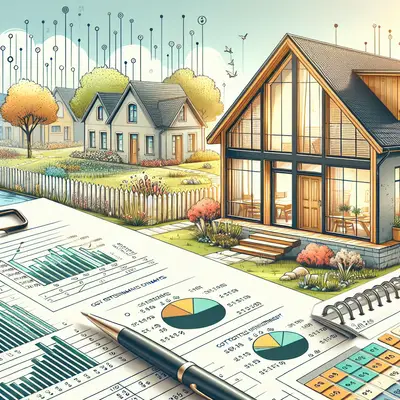
High-performance windows commonly last 20–30 years or more when properly specified and installed. That means the “real” cost is not the invoice, but the annualized impact: purchase price plus maintenance, minus energy savings, comfort gains, and potential resale uplift, spread over the window’s useful lifespan.
Energy-efficient glazing can significantly reduce heating and cooling loads, particularly in climates with pronounced seasonal extremes. When quantified over 20 years, the cumulative savings in utility bills can offset a substantial portion of the initial premium. In some regions, carefully chosen windows can even allow you to right-size your HVAC system—quietly compressing future mechanical costs and maintenance.
Instead of asking, “What do these windows cost today?” an elevated analysis asks, “What is the cost of living with these windows for the next two or three decades?”
2. The Subtle Price of Mismatched Performance Across the Facade
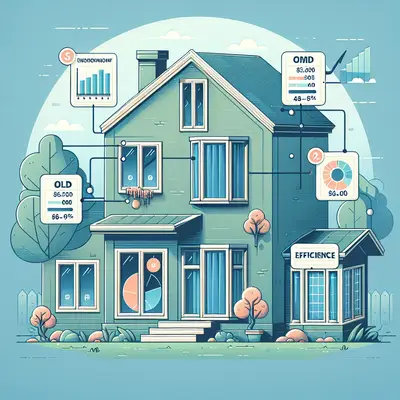
Many upgrade projects are executed piecemeal: a few windows at the back, a large replacement in the living room, maybe a new unit in the kitchen. While this appears budget-friendly, it can create hidden inefficiencies. Mixing performance levels—pairing old single-pane units with new, high-spec double or triple glazing—frequently results in an unbalanced envelope.
In practice, this can mean overcooling or overheating certain rooms in order to make other spaces tolerable, driving up energy consumption and eroding the expected savings from the upgraded units. It can also create uneven acoustic performance, where one freshly upgraded room feels serene while adjacent spaces transmit street noise, undermining the overall experience.
A more refined strategy is to think in “performance zones” rather than individual openings. Prioritize entire façades or clusters of rooms that share orientation, use pattern, and comfort expectations. This approach may not dramatically change your total spend, but it shifts the value profile: you are paying not just for better windows, but for a cohesive performance envelope that behaves predictably across the home.
3. Material Choices as Financial Signatures, Not Aesthetic Afterthoughts
Frame material is often approached as a purely visual preference—wood, aluminum, fiberglass, composite, or premium vinyl. In reality, each material carries a distinct financial “signature” over time, influencing maintenance, durability, and perceived value.
High-quality wood-clad units, for example, may demand more attentive maintenance but can align beautifully with heritage architecture and support an elevated resale narrative. Fiberglass and composite frames typically command a premium upfront, yet their dimensional stability and low maintenance can translate into lower lifecycle costs, particularly in climates with dramatic temperature swings.
Metal frames, especially thermally broken aluminum, offer sleek sightlines favored in contemporary design, but their thermal performance and potential for condensation must be weighed carefully against energy and comfort goals. The smartest cost analysis acknowledges that you are not simply buying a material; you are buying an aging pattern, a maintenance regime, and the way future buyers will read the quality of your home at a glance.
When you compare quotes, ask not only “What is the difference in price?” but “How will this frame choice age, perform, and signal quality over the next 20 years?”
4. Design Precision as a Cost-Control Tool, Not a Luxury
It may seem counterintuitive, but more thoughtful design can often reduce overall costs by preventing over-specification and remedial work. Precise sizing, careful placement, and nuanced glazing choices do more than elevate aesthetics—they strategically direct your budget to where it matters most.
Consider solar orientation: a south- or west-facing elevation in a sunny climate may warrant advanced low-E coatings and perhaps even higher-spec triple-pane glass to mitigate solar heat gain. Meanwhile, a shaded north-facing window may achieve the desired performance with a more modest specification, preserving budget without compromising comfort.
Similarly, custom shapes and large expanses of glass are not inherently extravagant when they are part of a deliberate design logic. A well-positioned picture window that captures natural light and views can reduce the need for artificial lighting during the day and become a focal element that enhances perceived property value. Conversely, scattering oversized glass randomly around the home can inflate costs without significantly improving either performance or architectural coherence.
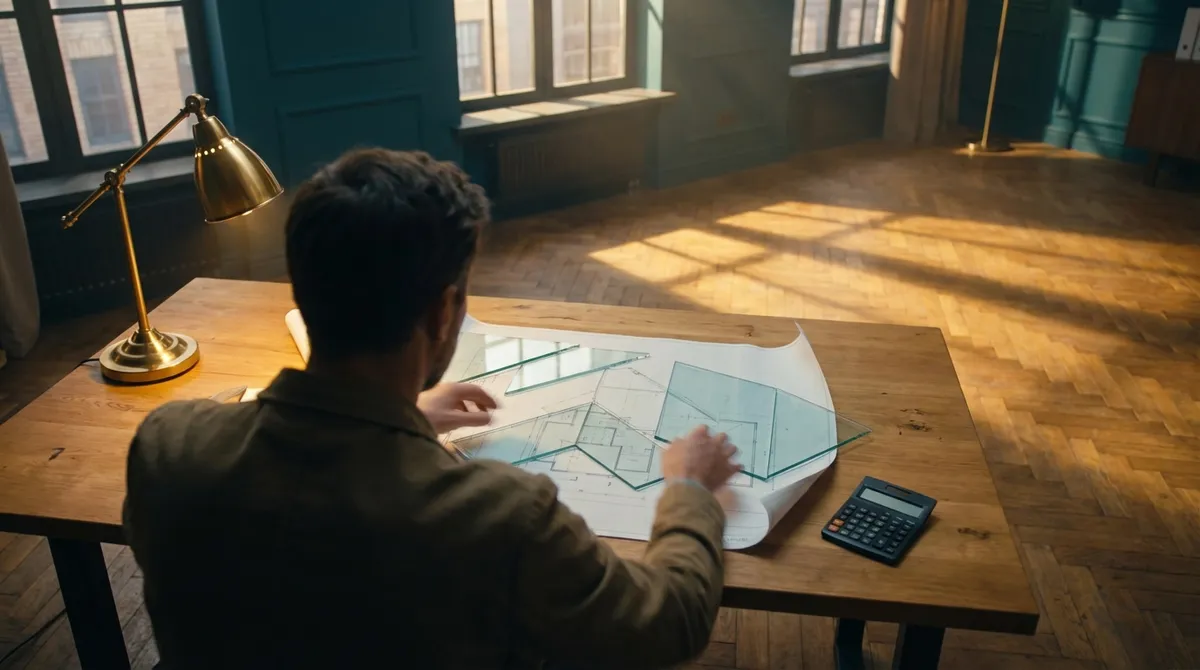
In refined projects, design and cost analysis are inseparable: each line drawn on the plan is also a line on your financial blueprint.
5. Incentives, Regulations, and the Quiet Power of Policy-Aware Planning
An elevated cost analysis does not stop at manufacturer brochures and contractor quotes. It extends into the realm of incentives, regulations, and evolving energy standards—elements that can subtly, yet significantly, reshape your financial calculus.
Government and utility programs frequently offer tax credits, rebates, or low-interest financing for qualifying high-efficiency windows. These incentives can effectively upgrade your specification tier at a reduced net cost, provided you understand the qualification criteria—typically related to U-factor, solar heat gain coefficient (SHGC), and certification standards such as ENERGY STAR.
Building codes are also shifting toward more stringent energy performance requirements in many regions. Investing in windows that meet or exceed these emerging standards can reduce the risk of future compliance costs if you expand, remodel, or sell. In other words, you are not simply paying for today’s performance—you are preemptively aligning your home with tomorrow’s regulatory landscape.
A policy-aware window strategy doesn’t just save money; it buys peace of mind that your investment will remain relevant, compliant, and appealing to increasingly energy-conscious buyers.
Conclusion
When approached with care and precision, a window upgrade becomes far more than a utilitarian expense. It is a long-term financial instrument, an architectural refinement, and a daily contributor to comfort, quiet, and light.
The most successful window investments are not driven by the lowest upfront quote, but by a deeper understanding of time-based costs, holistic performance, material character, design intelligence, and the policy environment. As you evaluate your options, treat each decision—frame, glazing, configuration, installer selection—as part of a larger composition. The result is a home that feels more considered, more composed, and, in the quiet arithmetic of the years ahead, more rewarding.
Sources
- U.S. Department of Energy – Energy-Efficient Window Attachments - Provides foundational guidance on how windows and related features influence energy costs and comfort over time.
- ENERGY STAR – Windows, Doors, and Skylights - Details performance criteria, climate-based recommendations, and available incentives for high-efficiency window products.
- Lawrence Berkeley National Laboratory – Efficient Windows Collaborative - Offers in-depth technical and cost-performance information on window types, glazing options, and lifecycle considerations.
- U.S. Environmental Protection Agency – ENERGY STAR Tax Credits - Outlines federal tax credits and policy mechanisms that can significantly impact the net cost of window upgrades.
- National Association of Realtors – 2023 Remodeling Impact Report - Provides data on resale value, buyer preferences, and perceived return on investment for various home improvements, including window replacements.
Key Takeaway
The most important thing to remember from this article is that this information can change how you think about Cost Analysis.