A considered window upgrade is rarely an impulsive purchase; it is a quiet recalibration of how your home performs, feels, and is ultimately valued. Beyond the obvious promises of “energy savings” and “curb appeal,” there is a more intricate economic story unfolding in the background. For discerning homeowners, understanding that story—where cost, comfort, and long-term value intersect—is essential to making a decision that feels not just justified, but deeply satisfying.
This cost analysis is not about cutting corners. It is about aligning refined expectations with equally refined solutions: glass that behaves like climate control, frames that behave like furniture, and installations that behave like structural engineering. Below, you’ll find five exclusive, often-overlooked insights that reposition window upgrades from a necessary expense to a strategic, high-performance investment.
Rethinking “Cost” as a Portfolio of Returns
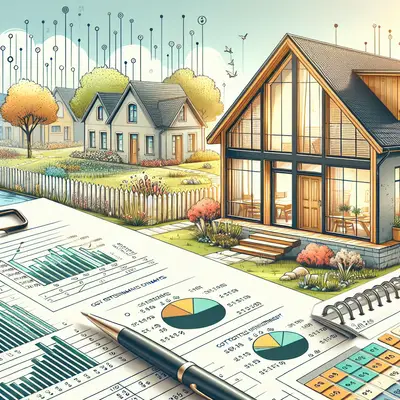
When evaluating premium windows, the instinct is to compare quotes line by line. Yet the most meaningful financial picture emerges when you think in terms of a portfolio of returns—energy, comfort, durability, and resale value—rather than a single price tag.
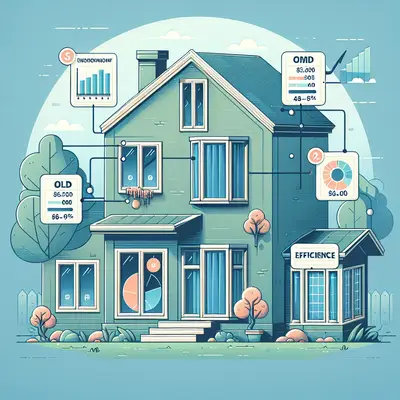
High-performance windows can meaningfully reduce heating and cooling loads, particularly in climates with temperature extremes. Over 20–30 years, those incremental savings accumulate into a tangible offset to the initial investment, especially when paired with high-efficiency HVAC systems. But it doesn’t stop at utility bills. Reduced drafts and more stable indoor temperatures minimize strain on mechanical systems, often extending the lifespan of furnaces and air conditioners.
In a premium home, this “portfolio” approach aligns seamlessly with how other design decisions are made: you’re not buying a window in isolation; you are rebalancing the performance and longevity profile of the entire envelope. The cost conversation becomes less about “Is this window too expensive?” and more about “Does this suite of choices create a justifiable, enduring upgrade to how the home functions and is perceived?”
Insight 1: The Comfort Dividend Has a Monetary Shadow
Comfort is often spoken of in poetic terms—no drafts, no cold spots, a quieter interior. Yet comfort has a measurable financial dimension that is frequently omitted from basic cost comparisons.
Better-insulated glass and superior seals reduce thermal asymmetry—the sensation of sitting near a cold pane in winter or a hot one in summer. This reduces the need to “over-condition” your spaces just to feel comfortable, particularly in rooms with expansive glazing. The result is not merely lower energy use, but less reliance on supplemental solutions such as space heaters, heavy drapery, or zoned mini-splits.
Additionally, acoustic performance has its own shadow value. In increasingly dense urban or suburban environments, well-insulated windows can dampen traffic, construction, and street noise to a surprisingly quiet backdrop. For many buyers, this sonic refinement is a subtle but powerful differentiator that can influence perceived value—and in competitive markets, that perception can translate into a premium at resale.
Insight 2: High-Performance Glazing Alters the Lifecycle Cost Equation
Glass selection is often framed as a “good, better, best” upsell. In reality, it is the single most influential driver of lifecycle performance and cost. The most elevated window packages pair optimized glazing with tailored coatings, spacers, and gas fills to create exacting control of heat, light, and UV exposure.
Advanced low-emissivity (low-E) coatings, when correctly specified for climate and orientation, can cut energy losses significantly while still allowing generous daylight. This precision mitigates the common trade-off between expansive glass and energy efficiency, particularly in modern designs with generous openings. Moreover, improved UV protection preserves flooring, textiles, wood finishes, and artwork, subtly extending the life and brightness of interior materials.
From a lifecycle perspective, these protective benefits matter. Replacing sun-faded floors or reupholstering bleached furniture carries its own cost. When you factor in the preservation of high-end finishes—stone, custom millwork, fine textiles—the superior glazing package is no longer a luxury, but a rational hedge against cumulative degradation over decades.
Insight 3: Installation Quality Quietly Controls Your “Real” ROI
A premium window poorly installed is a premium asset undermined at the source. The financial difference between an average and meticulous installation can be dramatic, even if the quote difference appears marginal at first glance.
Improper flashing, insufficient insulation around frames, or rushed sealing can compromise even the most advanced window, leading to air and water infiltration, condensation issues, and accelerated frame deterioration. These failures rarely appear immediately; they tend to surface years later, often at a scale that demands invasive repairs—damaged drywall, mold remediation, or even structural corrections.
Conversely, a carefully managed installation—integrated with the building envelope, supported by manufacturer-approved methods, and executed by specialists trained in the specific system you’ve selected—protects the initial investment and extends its usable life. When considered over a 20–30 year horizon, the incremental cost of superior installation is often negligible compared with the potential losses prevented. In a cost analysis aimed at true value, labor quality is not a line-item to compress; it is the safeguard of every other decision you’ve made.
Insight 4: Resale Value Is Shaped by Invisible Performance, Not Just Visible Beauty
Real estate markets increasingly reward performance, even if buyers don’t always use technical language to describe what they feel. They may not cite U-factors, but they notice when a home feels consistent in temperature, quiet, and free of drafts—even on a cold or windy day.
Premium window systems can contribute significantly to that intangible first impression. In some regions, documented energy performance, modern glazing, and reputable manufacturers can directly support a higher appraisal or faster time on market. In others, the impact is subtler but still real: fewer objections during inspections, more confidence from buyers, and a sense of “newness” that extends beyond cosmetics.
For high-end or architecturally distinct homes, the story of the windows can also become a marketing asset. Specifying recognized brands, advanced glazing packages, or systems designed for specific climates or coastal conditions transforms a standard listing note (“new windows”) into a more compelling narrative of curated performance. In a meaningful cost analysis, this potential for elevated resale positioning belongs in the same conversation as energy savings.
Insight 5: Customization and Phasing Can Refine Both Budget and Outcome
One of the most sophisticated strategies for managing cost is to recognize that a window upgrade need not be monolithic. Thoughtful customization by orientation, room function, and performance priority can create a highly tailored solution that invests most where it matters most.
For example, south- and west-facing elevations may merit the most advanced solar-control glass, while more sheltered sides of the home can use slightly simplified, but still high-quality, configurations. Rooms where you spend the most time—living areas, primary suites, home offices—might justify the quietest, most thermally robust packages, whereas less-used spaces can be specified with more restrained options.
Phasing upgrades can also protect cash flow while still moving decisively toward a higher standard. By starting with the most thermally or functionally compromised areas—the coldest rooms, the noisiest exposures, or aging units prone to condensation—you immediately capture performance gains, then strategically complete the remaining elevations over time. From a cost-analysis perspective, this phased, prioritized approach converts a single large expenditure into a series of targeted investments, each with its own clear return.
Conclusion
A refined window upgrade is not merely about swapping glass and frames; it is about re-authoring how your home performs, ages, and is ultimately perceived. When cost is examined through the lens of comfort dividends, glazing-driven lifecycle shifts, installation integrity, resale positioning, and strategic customization, the conversation moves far beyond “How much do new windows cost?”
For the homeowner who expects both elegance and rigor, the most compelling window investment is the one that feels as considered as a bespoke piece of furniture and as calculated as a well-structured portfolio. The true luxury is not just in what you see, but in the quiet, enduring value that unfolds long after the last pane is set.
Sources
- U.S. Department of Energy – Energy-Efficient Windows - Overview of how advanced windows impact energy use, comfort, and costs over time
- Efficient Windows Collaborative – Window Selection Guidance - Detailed explanations of glazing, frame materials, and performance metrics relevant to lifecycle cost
- ENERGY STAR – Residential Windows, Doors and Skylights - Criteria and benefits for high-efficiency window products, including potential savings
- National Association of Realtors – Remodeling Impact Report - Data on how upgrades, including windows, influence resale value and buyer perception
- Lawrence Berkeley National Laboratory – Windows and Daylighting - Research on window performance, glazing technologies, and their effects on building energy use and comfort
Key Takeaway
The most important thing to remember from this article is that this information can change how you think about Cost Analysis.