When windows are treated as an investment rather than an expense, the financial narrative of a home quietly transforms. Beyond the obvious promise of lower energy bills lies a more intricate calculus: how glass, framing, coatings, and craftsmanship compound into long-term value. For homeowners considering a refined window upgrade, understanding the true cost is less about chasing the lowest bid and more about orchestrating performance, longevity, and aesthetic cohesion into a single, intelligent decision.
This is a cost analysis not of bare minimums, but of elevated outcomes—where each dollar is asked to work harder, last longer, and look better.
Moving Beyond Sticker Price: Total Ownership Cost, Reimagined
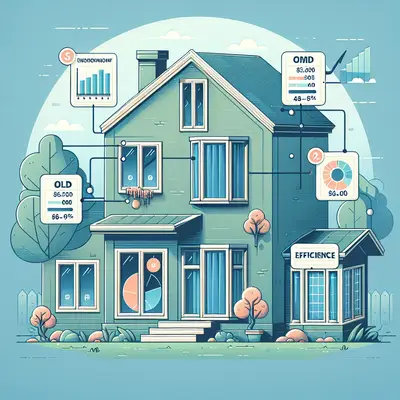
Most quotes focus on the immediate outlay: the per-window price, installation fees, and perhaps optional add-ons. Yet sophisticated homeowners increasingly evaluate windows through a total cost of ownership lens—spanning 15 to 30 years.
High-performance units can command a premium of 20–40% over builder-grade options, but this delta rarely tells the full story. Quality frames, advanced glass packages, and meticulous installation often translate into fewer service calls, slower material degradation, and reduced risk of air and water infiltration. Over time, that means fewer repairs, deferred replacements, and more consistent interior comfort.
When spread across decades, an elegantly specified window upgrade often amortizes into a modest annual cost difference—while materially upgrading the character and livability of the home. In essence, total ownership cost allows you to compare windows not as products, but as long-term financial instruments embedded in your walls.
Insight 1: Thermal Precision Alters More Than Your Utility Bill
Energy savings are often advertised as the headline benefit, but the financial impact of thermal performance is more layered than simple utility reductions.
High-efficiency windows—particularly those with low-emissivity (low‑E) coatings, insulated frames, and gas-filled cavities—do more than lower heating and cooling costs. They stabilize interior temperatures, reduce the load on HVAC equipment, and can extend the lifespan of furnaces and air conditioners by reducing system cycling. This secondary effect is frequently overlooked in cost analysis.
Moreover, refined glazing strategies—such as tuning solar heat gain coefficients by façade orientation—can subtly enhance comfort in key living areas, allowing homeowners to use more of their home more of the time. The financial value of a south-facing living room that remains usable in peak summer and winter conditions is difficult to quantify precisely, yet it clearly influences perceived worth and long-term enjoyment.
Insight 2: Premium Windows Can Quietly Protect Interior Investments
One of the least-discussed financial benefits of advanced windows is their role in preserving interior finishes and furnishings. High-quality low‑E coatings are engineered not only for thermal performance, but also for ultraviolet (UV) mitigation.
Over time, UV exposure can fade hardwood floors, artwork, textiles, and high-end furnishings—items that often represent a substantial, cumulative investment. By reducing UV transmission, refined glazing systems can meaningfully extend the visual life of these interior elements, delaying or even avoiding expensive restoration or replacement.
This protective effect transforms windows from passive openings into active guardians of your interior design budget. For homes curated with designer pieces or custom millwork, this quiet form of cost avoidance can rival or exceed the headline energy savings over the life of the window.
Insight 3: Frame Material Is a Strategic Financial Decision, Not Just a Style Choice
The choice between wood, fiberglass, aluminum, clad hybrids, or advanced vinyl is often framed as a design preference. In reality, it is a strategic cost decision that merges maintenance, durability, and performance into a single line item.
- Timber and wood-clad frames offer warmth and architectural authenticity but require diligent maintenance in many climates. For homeowners unwilling to commit to periodic refinishing, the lifetime cost can escalate through repainting, repairs, and premature degradation.
- Fiberglass and high-end composites often carry a higher initial cost yet excel in dimensional stability, resistance to warping, and low maintenance. Over 20–30 years, this can yield a smoother operational experience with fewer interventions.
- Well-engineered vinyl systems can be cost-effective while still delivering solid performance, particularly when sourced from reputable manufacturers with proven track records.
When evaluated over time, the “cheapest” frame is rarely the most economical. A sophisticated cost analysis weighs the rhythm of ongoing care, climate exposure, and the homeowner’s appetite for maintenance, rather than focusing solely on day-one pricing.
Insight 4: Precision Installation Is a Financial Safeguard, Not a Line Item to Compress
Labor is often viewed as the most negotiable portion of a window quote. Yet underestimating the value of expert installation can be the costliest mistake in the entire upgrade.
Even the most advanced window unit can underperform—or outright fail—if flashing is imprecise, insulation is careless, or integration with the building envelope is rushed. The consequences are rarely immediate; they appear years later as subtle drafts, moisture intrusion, or frame movement. These issues can compromise insulation, interior finishes, and even structural components, multiplying costs well beyond the original savings on labor.
Investing in certified installers with a proven record, robust warranties, and a meticulous approach to water management and air sealing is fundamentally a risk-management decision. The additional expense is, in effect, an insurance policy against hidden defects that may remain invisible until they become expensive.
Insight 5: Resale Value and Buyer Perception Quietly Shape ROI
While it is true that windows rarely recoup 100% of their cost at sale, they exert an outsized influence on buyer perception. In competitive markets, premium windows can function as a quiet differentiator—signaling that a home has been thoughtfully maintained and upgraded.
Energy-efficient, well-designed windows can make a property feel newer, brighter, and more acoustically refined during viewings. Prospective buyers may not assign an explicit dollar value to specific window brands or glazing packages, but they do register comfort levels, sound insulation, and visual clarity within seconds of entering a room.
In high-end or design-forward markets, the presence of architecturally coherent, high-performance windows can support stronger offers, shorten time on market, and reduce price negotiation pressure. The financial benefit here is nuanced: the windows may not be “paid back” line-item by line-item, but they help maintain the home’s pricing power in a way that is both real and materially valuable.
Balancing Budget, Performance, and Refinement
A sophisticated window upgrade is, at its core, an exercise in balance. It is not about spending indiscriminately but investing deliberately—allocating resources where they will have the most enduring impact on comfort, durability, and aesthetic cohesion.
When homeowners look past the initial quote to consider thermal precision, UV protection, material longevity, installation quality, and resale perception, the economics of premium windows shift. What begins as a cost often reveals itself as a structured, long-horizon investment—one that shapes not just monthly bills, but the lived experience and perceived stature of the home.
In the end, the most compelling window upgrade is the one where every element—glass, frame, hardware, and installation—has been curated with equal parts financial intelligence and architectural intent.
Sources
- U.S. Department of Energy – Energy-Efficient Windows - Authoritative guidance on window performance, low‑E coatings, and energy savings considerations
- ENERGY STAR – Residential Windows, Doors and Skylights - Details on certified high-efficiency products, performance criteria, and potential energy cost reductions
- National Association of Realtors – 2023 Remodeling Impact Report - Data on cost recovery and resale impact for window replacements and other home upgrades
- Efficient Windows Collaborative – Window Selection Guidance - In-depth discussion of climate-appropriate window choices and cost vs. performance trade-offs
- National Park Service – Conserving Energy in Historic Buildings: Windows - Insight into balancing performance, durability, and aesthetic integrity, especially for higher-end or historically sensitive properties
Key Takeaway
The most important thing to remember from this article is that this information can change how you think about Cost Analysis.