Windows do more than frame a view; they choreograph light, regulate comfort, and quietly define the character of a refined home. Yet even the most exquisite glazing can be diminished by an indifferent installation. For discerning homeowners, the difference between “new windows” and a truly elevated upgrade lies in a level of installation precision that borders on craftsmanship. This is where performance, aesthetics, and longevity are either secured—or compromised.
Below are five exclusive, often-overlooked insights that transform window installation from a construction task into a design-driven, performance‑focused discipline.
1. The Quiet Geometry of Alignment: Why Millimeters Matter
To the untrained eye, a window is either “in” or “out.” For a premium installation, the standard is far more exacting.
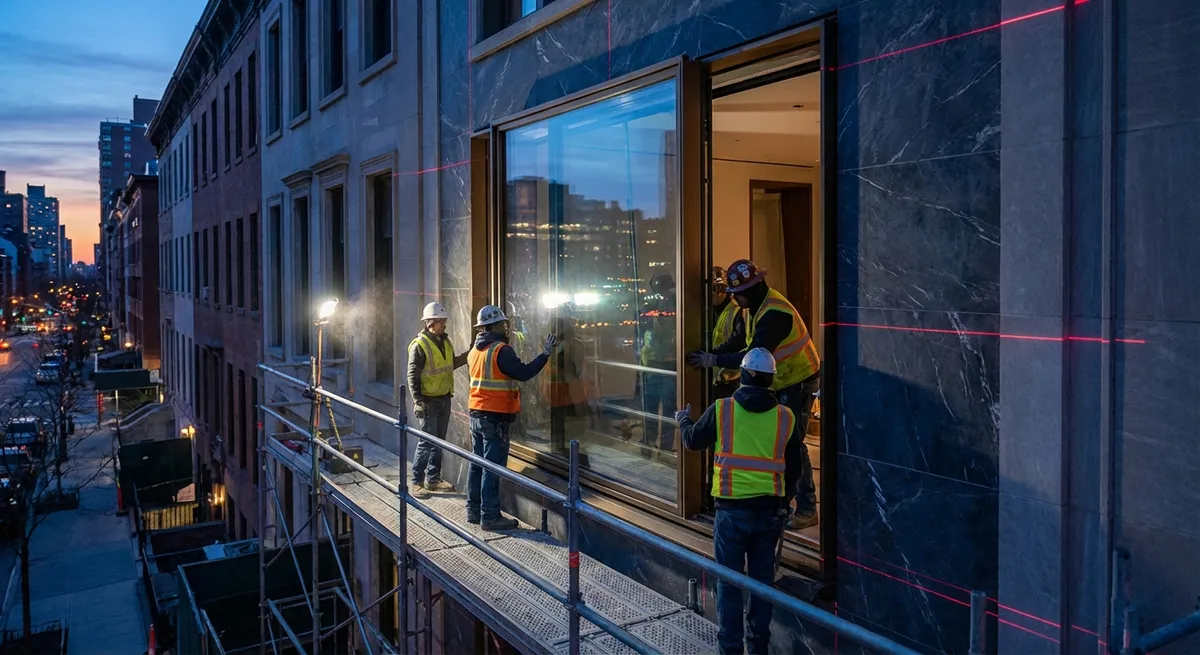
Expert installers treat alignment as geometry in three dimensions: plumb, level, square, and in-plane with both interior finishes and exterior façades. Even a few millimeters of deviation can introduce subtle visual tension—uneven sightlines, inconsistent reveals, and shadow lines that betray an otherwise impeccable room.
This geometry has performance implications as well. A frame that is not perfectly square places stress on hardware, hinges, and insulated glass units over time. Locking mechanisms may require more force, gaskets can lose contact, and air infiltration increases. In high-performance windows, this is the equivalent of buying a luxury car and misaligning the doors.
A refined installation ensures:
- Consistent, measured reveals on all sides of the frame
- Sightlines that align with adjacent doors, cabinetry, or wall features
- True integration with surrounding trim, not simply “filled” gaps
- Optimized operation—sashes glide, tilt, or pivot without resistance
The most sophisticated installations often include a final “visual calibration”: standing back from various vantage points in the room and outdoors to ensure the windows read as a coherent architectural element, not merely a functional opening.
2. Subtle Transitions: The Hidden Craft of Interior and Exterior Finishing
Once the frame is secure, many installations rush to seal, trim, and caulk. In a luxury context, these finishing touches are where the installation either feels bespoke or disappointingly generic.
Premium window installation gives extraordinary attention to transitions—the points where window meets wall, casing meets jamb, and sill meets flooring or exterior cladding. These junctions are where visual continuity, texture, and proportion must be deliberately curated.
Refined finishing considers:
- Profile continuity: Matching or complementing existing moulding profiles so that upgraded windows feel intentional rather than “newer” than the rest of the home.
- Shadow reveals: Using small, intentional recesses or reveals to create clean, architectural shadow lines instead of bulky caulk joints.
- Material harmony: Coordinating stains, paints, and sheens to respect the existing palette—especially in homes with fine millwork, paneling, or historic detailing.
- Sill integration: Aligning interior sills or stools with flooring and baseboards so the window feels anchored, not perched.
On the exterior, a sophisticated approach acknowledges the home’s architectural language. Stucco, stone, brick, or modern cladding each demands a different detailing strategy. The goal is to make the new installation read as original to the structure, whether the style is traditional, transitional, or emphatically modern.
3. Thermal Continuity: Installing for Comfort, Not Just Code
Energy-efficient glass and frames are important, but their potential is easily squandered by mediocre installation. For a high-end home, the objective is not merely to “meet code” but to create a seamless thermal envelope that feels luxuriously consistent from room to room, season to season.
Thermal continuity focuses on how the window connects to the wall assembly—where most hidden performance losses occur. Gaps, poorly chosen insulation, or incorrect flashing can create micro-drafts and cold spots that undermine even triple-glazed units.
Sophisticated installations emphasize:
- Insulated perimeters: Strategic use of low-expansion foam or mineral wool around the frame, installed in layers rather than oversprayed, to avoid voids and pressure on the frame.
- Thermally aware placement: Positioning the window within the wall depth to align with the primary insulation layer, reducing thermal bridging.
- Advanced air sealing: Layered sealing systems (tapes, membranes, gaskets) instead of relying solely on surface caulk.
- Comfort testing: Simple but telling checks during commissioning—feeling for drafts at known weak points, using infrared thermography where appropriate, and confirming even temperature near the glass in colder weather.
The experiential difference is considerable. A thoughtfully installed window allows you to sit close to the glass in winter without discomfort and to enjoy summer light without feeling localized heat buildup. That is the standard of comfort a premium home should expect.
4. Daylight Strategy: Installing Windows as Instruments of Atmosphere
Most discussions about installation revolve around structure and sealing. In a design-forward home, however, installation also shapes atmosphere—how light enters, moves, and interacts with finishes throughout the day.
Fine-tuning placement isn’t just an architectural decision at the drawing board; it’s also an on-site conversation during installation. Subtle adjustments in height, jamb depth, and interior trim strategy can dramatically alter the way daylight is perceived.
Nuanced considerations include:
- Sill height and furniture alignment: Coordinating final sill height with existing or planned furniture layouts, reading nooks, or banquette seating to create inviting, usable spaces by the window.
- Depth and reveal: Slightly deepening the interior jamb or creating a framed recess can soften light and add depth, turning windows into architectural features rather than mere openings.
- Wall color and reflection: Recognizing that light bounce off pale or textured walls will vary, and positioning windows to avoid glare on key surfaces like dining tables, art walls, or screens.
- View curation: In certain cases, micro-adjustments to height or lateral position can significantly improve sightlines—capturing more sky, screening a neighboring roofline, or centering a garden element.
When treated as an instrument of daylight rather than a product, each window becomes a carefully tuned aperture that shapes mood throughout the home, from luminous morning kitchens to softly lit evening lounges.
5. Future-Proof Detailing: Installing Today with Tomorrow in Mind
Many installations focus exclusively on immediate performance and appearance. A more elevated perspective incorporates longevity—anticipating how the windows will age, how they will be serviced, and how the home itself may evolve.
Future-proof detailing considers:
- Service access: Ensuring mechanisms, hinges, and concealed hardware remain accessible for adjustment or replacement without invasive disassembly of surrounding finishes.
- Drainage and moisture management: Incorporating thoughtful sill pan systems, weep paths, and sloped surfaces so incidental moisture is directed outward—not into framing, insulation, or finishes that will fail silently over time.
- Material compatibility: Selecting sealants, membranes, and fasteners that are compatible with both the window material (wood, aluminum-clad, fiberglass, steel) and the wall assembly to avoid premature failure or staining.
- Adaptable aesthetics: Choosing trim strategies that can be repainted, refinished, or modestly re-profiled in the future without requiring a complete tear-out if the interior style evolves.
The result is an installation that not only looks immaculate on day one but remains poised and resilient years later, accommodating glass replacements, hardware upgrades, or subtle interior refreshes without drama.
Conclusion
For the discerning homeowner, window installation is not a background activity; it is a pivotal chapter in the story of the home. When executed with careful geometry, meticulous finishing, thermal intelligence, light-conscious placement, and future-proof thinking, installation becomes a quiet but powerful expression of quality.
Windows installed this way do more than perform to specification. They feel right—opening and closing with ease, aligning beautifully with the architecture, maintaining comfort through the seasons, and gracefully aging with the home. In a refined residence, that level of understated excellence is not a luxury; it is the expectation.
Sources
- [U.S. Department of Energy – Energy-Efficient Window Attachments](https://www.energy.gov/energysaver/update-or-replace-windows) - Overview of energy performance considerations and how installation affects efficiency
- [Efficient Windows Collaborative (National Fenestration Rating Council)](https://www.efficientwindows.org/installation/) - Technical guidance on proper window installation and its impact on comfort and performance
- [Building America Solution Center – Window and Door Installation](https://basc.pnnl.gov/resource-guides/windows) - Detailed best practices for integrating windows into high-performance wall assemblies
- [American Society of Home Inspectors – Window and Door Flashing](https://www.homeinspector.org/Resources/Technical-Articles/ArticleID/104) - Insight into moisture management, flashing, and long-term durability concerns
Key Takeaway
The most important thing to remember from this article is that this information can change how you think about Installation.