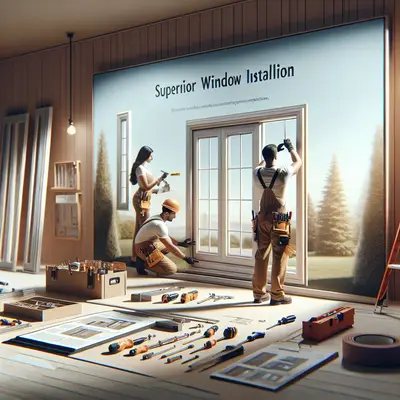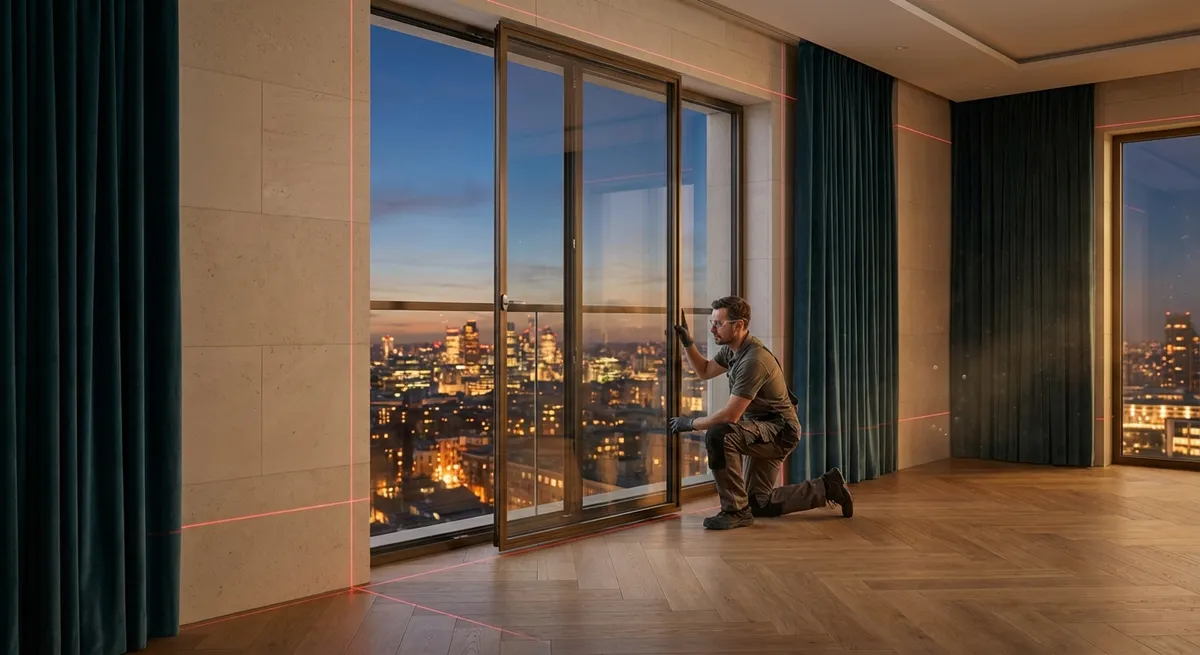
The finest window upgrades are rarely defined by glass alone. In elevated homes, the true transformation happens at the moment of installation—where architecture, engineering, and craftsmanship intersect. A premium window is only as exceptional as its placement, sealing, and integration with the building envelope. For homeowners who expect more than a routine retrofit, understanding the subtleties of installation becomes essential to achieving a quiet, draft‑free, visually seamless result that feels purpose-built rather than added on.
Below, we explore how refined installation practice turns sophisticated window selections into enduring architectural assets—along with five exclusive insights that discerning homeowners frequently overlook, but deeply appreciate once they are revealed.
Installation as Architectural Integration, Not a Technical Task
In a luxury context, window installation should be treated as an architectural intervention rather than a simple trade activity. This means your installer is not merely “filling an opening,” but orchestrating how light, sightlines, and performance converge at each aperture.
A premium installer will analyze wall composition (masonry, wood framing, insulated concrete forms, or hybrid systems), existing moisture dynamics, and the building’s thermal strategy before a single fastener is set. They will consider reveal depth, interior casing proportions, and how each frame aligns with interior finishes such as millwork, stone, or plaster. They also anticipate how seasonal movement in the structure will affect long-term alignment, ensuring that hardware remains smooth and airtight over time. When approached as architecture rather than assembly, installation becomes the final act in a carefully choreographed design narrative, not an afterthought.
Five Exclusive Installation Insights for the Refined Homeowner
For homeowners at the elevated end of the market, the distinctions that truly matter are often the least advertised. These five insights rarely appear in standard window brochures, yet they have an outsized impact on everyday experience and long-term satisfaction.
1. The Micro-Tuning of Sightlines
Beyond the obvious “does it fit,” a refined installation focuses on the micro‑tuning of sightlines. This involves millimeter-level alignment between window mullions, door transoms, shelving, stair treads, and even exterior landscape elements.
A seasoned installer will coordinate with your architect or designer to ensure mullions align with major architectural axes—kitchen islands, fireplace surrounds, wine walls, or exterior columns—so the view out feels composed, not coincidental. Vertical and horizontal lines are checked from multiple vantage points: seated, standing, and in motion through the space. This visual discipline ensures that, whether you are looking at the window or through it, the composition feels deliberate and calming rather than subtly disjointed.
2. Hidden Performance Layers Behind the Finish Trim
The visible trim tells only a fraction of the story. In a premium installation, the artistry is largely concealed: multi-layer sealing systems, precision flashing, and high-performance membranes that quietly protect your investment.
Behind the casing, a refined installer will incorporate:
- Pre-formed sill pans or fully integrated sloped sills to channel any incidental moisture outward
- High-performance flashing tapes compatible with both the window frame and wall substrate
- Air and vapor membranes carefully sequenced to align with the home’s broader building envelope strategy
- Insulation strategies tailored to frame material (e.g., low-expansion foam at key zones, mineral wool in others)
These decisions determine whether your new windows will feel consistently comfortable and dry a decade from now—or gradually develop drafts, staining, and performance loss behind impeccable-looking trim.
3. The Acoustics of Opening and Closing
Luxury is as much about sound as it is about sight. For elevated homes, the acoustic signature of a window—how it opens, closes, and seals—is a mark of quality that guests may not immediately identify, but invariably perceive.
The installer’s role here is more nuanced than simple adjustment. They fine-tune:
- Hardware calibration so handles engage with a decisive, quiet resistance rather than a loose or grinding motion
- Gasket compression to achieve a firm, uniform seal without requiring excessive force
- Hinge and track alignment to prevent micro-rattles during wind events or when nearby doors close
- Sash-to-frame tolerances that maintain smooth operation over seasonal changes in humidity and temperature
When executed properly, you experience a soft, confident closure and a reassuring silence once the window locks—a sensory cue that the space is protected and well engineered.
4. Thermal Edges and Comfort Zones Around the Frame
Most homeowners focus on glass performance. Sophisticated installations, however, address the “thermal edge”—the subtle comfort zone that exists within a few feet of your window.
Poorly installed windows can create microclimates: cold downdrafts, unexpectedly warm reveals, or differential temperatures at floor level. A premium installer collaborates with the design team to:
- Position radiators, underfloor heating manifolds, or convectors to complement large glazed areas
- Ensure the frame-to-wall interface is insulated uniformly, avoiding thermal bridging at corners and sills
- Choose frame depth and extension jambs that align with wall insulation thickness
The result is a space where you can linger by a large pane in mid‑winter with no perceptible chill and enjoy an even, enveloping comfort that matches the visual luxury of your expanded views.
5. Sequencing Installation with Interior Craft Trades
In high-end projects, poor sequencing can compromise even the best products. Fine carpentry, stone, plaster, and integrated shading systems all converge at the window line, and misalignment in schedule can cost both time and refinement.
The most capable installation teams work as conductors rather than soloists. They coordinate:
- Pre-installation mockups to confirm trim profiles, reveal depths, and hardware clearances
- Integration points for concealed shades, motorized treatments, or recessed tracks
- Timing so millwork, tile, and plaster crews can work to true, clean, finished edges rather than improvising around site adjustments
- Protection measures (films, temporary casings, or removable panels) during remaining construction
This thoughtful sequencing preserves the pristine condition of new units, avoids unnecessary rework, and ensures that every adjoining surface meets the window with precision.
What Distinguishes a Truly Premium Installation Team
Discerning homeowners quickly realize that not all installers approach their work with the same level of rigor. A premium team distinguishes itself less by marketing claims and more by how it behaves on-site before, during, and after the installation.
Expect comprehensive pre-site evaluations, including moisture probing around existing openings and a review of any prior water-intrusion history. Look for installers who can clearly articulate their strategy for air, water, and vapor management and who can produce manufacturer-aligned installation details specific to your climate zone. On installation day, their workspace will be meticulously organized, with clean drop cloths, dust containment, and careful protection of furnishings and finishes.
Equally telling is their documentation: photos of hidden flashing layers, records of fastener patterns, and written confirmation that the installation conforms to both manufacturer and local code requirements. Premium installers are also fluent in post-installation care—explaining maintenance, recommending inspection intervals, and establishing a service relationship that feels more like ongoing stewardship than a one-time transaction.
The Subtle Luxury of Living with Properly Installed Windows
Once furniture is placed and life resumes its normal rhythm, the success of a refined window installation is measured not in technical specifications, but in how the space feels. Light enters without glare, sound remains softly muted, and temperature shifts are virtually imperceptible. Windows open and close with quiet assurance, and the interface between glass, frame, and wall appears inevitable—as though the house could never have been designed another way.
For homeowners who invest in elevated window solutions, installation is the moment where all prior decisions converge into lived experience. When executed at a premium standard, it delivers a rare combination of visual serenity, tactile pleasure, and long-term durability that transcends trends. The result is not merely an upgraded opening, but a more composed, resilient, and quietly luxurious home.
Sources
- U.S. Department of Energy – Energy Saver: Windows, Doors, and Skylights – Overview of window performance, installation considerations, and energy impacts
- Efficient Window Coverings Council – Window Installation and Performance – Insights into how installation affects comfort, energy efficiency, and durability
- Building America Solution Center – Window and Door Installation Details – Technical guidance on flashing, air sealing, and integration with building envelopes
- International Association of Certified Home Inspectors – Window and Door Inspection – Common installation defects and performance issues observed in the field
- American Institute of Architects – Best Practices: Integrating High-Performance Windows – Professional resource on building envelope integration and design coordination
Key Takeaway
The most important thing to remember from this article is that this information can change how you think about Installation.