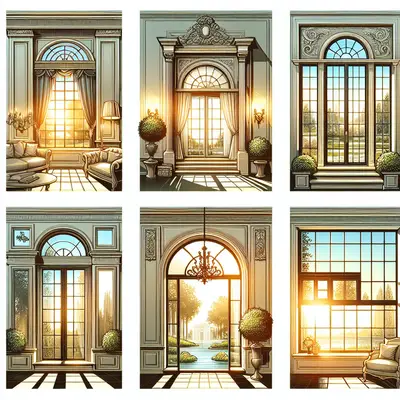
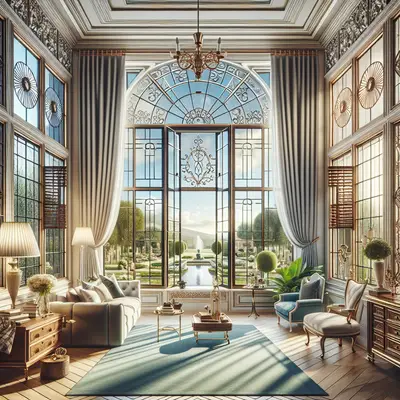
In the past week, social feeds have once again been flooded with images of cats poised in windowsills—thanks in part to Bored Panda’s newly trending feature, “80 Times People Spotted Kitties Sitting At The Window And Just Had To Take A Pic (New Pics)”. Beyond the charm and shareability, those images quietly spotlight something else: the window itself. Slim frames, broad sills, floor-to-ceiling glass—these details are telegraphing architectural quality and lifestyle aspirations in every viral post.
For design-conscious homeowners, this renewed cultural fascination with windows-as-stages for everyday life is more than an internet diversion. It’s a timely reminder that the type of window you choose is no longer just a technical decision; it’s a visual signature—one that will appear in every photograph, every reflection, every view out and every gaze in.
Below, we explore five refined, timely insights into window types that elevate a home from simply well-appointed to genuinely exceptional—especially for those ready to upgrade with both aesthetics and performance in mind.
1. Picture Windows: The “Gallery Wall” for Real Life (and Viral Photos)
While cats, plants, and curated interiors are driving engagement on platforms like Instagram and TikTok, the unspoken star of many of those frames is the picture window—a large, fixed pane that transforms the outdoors into artwork. These are the windows you keep noticing in viral “window cat” posts: minimal mullions, generous glass, and a sense that the room is visually spilling into the landscape.
For luxury homes, contemporary picture windows have evolved well beyond simple fixed glass. High-end manufacturers now offer ultra-slim aluminum or fiberglass frames, thermally broken for energy efficiency, with custom tints and low‑iron glass for truer color rendering. The effect is subtly cinematic: the sky looks bluer, greenery deeper, and evening city lights more crystalline. When selecting picture windows, refined homeowners are prioritizing two elements—sightline and stillness. Narrow sightlines keep the frame visually quiet, allowing art, furniture, and yes, pets, to become the focal point in photos. High-performance laminated glass and insulated frames maintain that serene stillness: less street noise, less temperature swing, more composure. In an era when a simple snapshot can travel the world, these windows transform every candid moment into a curated composition.
2. Casement and Awning Windows: Ventilation as a Luxury Experience
Look closely at many of the latest “cat in the window” images making the rounds: a slender sash tilted open just enough for fresh air, a sheer curtain drifting inward. This is where hinged casement and awning windows quietly outclass the ubiquitous double-hung in discerning homes. Rather than sliding, these windows swing or tilt outward, catching breezes like a sail and directing them into the room.
For upscale projects, casement and awning windows are becoming the preferred “operable complements” to large fixed units. Architects are strategically pairing tall picture windows with slim flanking casements, maintaining uninterrupted views while ensuring controlled ventilation. Today’s premium versions feature concealed hinges, flush hardware in bronze or brushed nickel, and compression seals that provide a satisfyingly solid close—more akin to a well-engineered European car door than a typical residential window. This matters not just for comfort but for acoustics: properly specified casement systems, especially in laminated or triple glazing, can create an almost library‑quiet interior, even on a lively city street. For homeowners accustomed to curated air quality, these windows transform ventilation from a necessary function into a daily ritual of sensory refinement.
3. Floor-to-Ceiling Glass Walls: The New Status Symbol of Discretion
While open-plan interiors and “indoor-outdoor living” continue to dominate design magazines and high-end real estate listings, what’s emerging now is a subtler evolution: the disciplined, intentional use of floor-to-ceiling glass as a controlled architectural gesture rather than a blanket statement. The most compelling recent projects—many of which are now trending across design and lifestyle feeds—favor carefully framed glass walls over indiscriminate expanses.
For homeowners contemplating such upgrades, the critical distinction lies in window type and system integration. Instead of simply specifying “big windows,” luxury projects are moving toward structural glazed walls, lift-and-slide doors, or minimally framed fixed panels that visually read as a single tailored surface. Mullions are refined to razor-thin lines, often in dark bronze or deep graphite to echo high-end metalwork and cabinetry. Meanwhile, the performance story is quietly sophisticated: low‑E coatings tuned for the home’s orientation, solar control glazing for west-facing elevations, and interior shading integrated into the architecture, not added as an afterthought. In practice, this means you can enjoy those sweeping, magazine-worthy views at noon without retreating behind heavy drapery or overworking your cooling system. The effect is one of confident openness—luxury that feels effortless, not exposed.
4. Bay and Bow Windows: Heritage Forms, Modernized for Today’s Lifestyles
The cozy charm driving the popularity of “window nook” photos online—cats curled into cushions, stacked books, morning coffee against a backdrop of glass—is often grounded in one classic architectural feature: the projecting bay or bow window. Traditionally associated with historic townhouses and pre-war architecture, these window types are experiencing a quiet renaissance in high-end renovations and new builds looking to blend character with function.
Today’s premium bay and bow windows are far more than decorative projections. Designers are transforming them into multi-purpose micro-lounges: upholstered benches, integrated storage, power outlets discreetly hidden in millwork, and even radiant-heated seats beneath the cushion. From a technical standpoint, specifying these windows at a luxury level means paying close attention to structure and envelope: engineered headers, insulated seat boards, and high-performance glazing to prevent the classic “beautiful but drafty” problem associated with older bays. The reward for that extra diligence is a signature architectural gesture that photographs beautifully, enriches daily living, and adds a subtly European sense of graciousness to elevations that might otherwise feel flat. In a social media era obsessed with cozy corners, a meticulously executed bay or bow window becomes both an aesthetic statement and a highly personal retreat.
5. Specialty Shapes and Custom Mullions: Crafting a Signature Silhouette
As photo-driven platforms propel a more discerning public eye, homeowners are becoming acutely aware that the outline of a window—its shape, proportion, and grid pattern—carries as much design weight as a front door or custom staircase. This is especially evident in the online resurgence of arched windows, segmented tops, and unconventional geometries that lend character to even the simplest façades.
Premium window manufacturers have responded by expanding their custom offerings: elliptical and Gothic arches, trapezoids that follow rooflines, and ultra-tall narrow units that read like light wells. More subtle, but just as impactful, is the evolution of mullion and grille design. Instead of standard grids, design-forward homes are embracing bespoke patterns: offset verticals that echo interior shelving, slim horizontal bars that align with cabinet lines, or even divided-light schemes modeled after historic European townhouses. The most successful applications treat these elements as part of a larger interior–exterior dialogue, aligning window divisions with interior architecture so that lines continue across ceilings, walls, and built-ins. The effect, especially in photographs, is one of quiet intentionality—nothing feels random, and every window appears purposefully tailored to the home’s narrative.
Conclusion
In a cultural moment where a casual snapshot of a cat on a windowsill can travel the globe in hours, the humble window frame has become an unexpectedly powerful expression of taste. The latest wave of viral “window cat” content gently underscores what architects and discerning homeowners have known for years: window types are not mere technical choices; they’re lifestyle declarations rendered in glass and light.
Whether you’re contemplating expansive picture windows, refined casement ventilation, dramatic glass walls, reimagined bay nooks, or custom-shaped statements, the most successful upgrades share one quality: intention. By treating window selection with the same care you devote to art, furnishings, and finishes, you transform every view—outward to the world and inward to your life—into a composition worthy of lingering in, living in, and yes, occasionally sharing with the world.
Key Takeaway
The most important thing to remember from this article is that this information can change how you think about Window Types.