For the cultivated homeowner, windows are not mere apertures in a wall; they are capital assets that shape light, silence, efficiency, and long-term value. Yet the true cost of window upgrades is often obscured by blunt price tags and oversimplified payback claims. To evaluate windows with the same rigor you apply to a portfolio or a renovation masterplan, you need a more nuanced cost analysis—one that accounts for comfort, resilience, and resale appeal as much as for dollars per unit.
This is a refined exploration of cost, value, and timing—designed for homeowners who see window upgrades as a strategic investment rather than a transactional expense.
Reframing Cost: From Line Item to Long-Horizon Investment
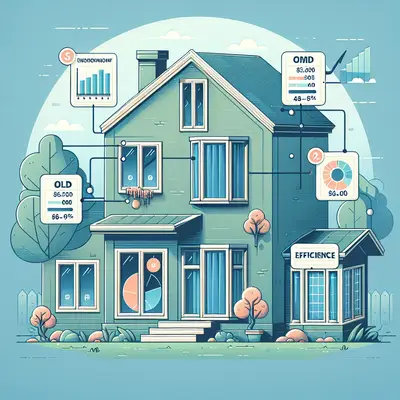
Most quotes reduce windows to a simple hierarchy: frame material, glass type, and installation fee. For a premium home, this framework is incomplete. The financially intelligent approach is to examine total cost of ownership over 15–25 years, not the initial invoice alone.
High‑performance glazing, thermally broken frames, and meticulous installation may increase upfront costs by 20–40%, yet can materially reduce annual heating and cooling loads, especially in climates with temperature extremes. Over time, those energy savings can offset a notable portion of the premium—while also enhancing comfort, which is harder to quantify but decisive in daily life.
Equally important is the timing of upgrades. Coordinating window replacement with exterior painting, façade work, or HVAC modernization allows you to amortize shared costs—scaffolding, permits, and contractor mobilization—across multiple projects. The result is not just a lower effective cost per window, but a more coherent long‑term property strategy that respects both your aesthetic goals and capital plan.
Exclusive Insight 1: The “Thermal Dividend” Outlasts the Simple Payback
Standard energy calculators often present a basic payback period—“your new windows will pay for themselves in 12–18 years.” For a sophisticated homeowner, this is an oversimplification. The real value lies in the “thermal dividend”: persistent, compounded benefits that endure long after payback.
First, improved insulation and reduced air leakage stabilize interior temperatures. This doesn’t merely ease utility bills; it reduces the strain on HVAC systems, potentially extending the life of high-end equipment and lowering maintenance frequency. Second, superior glazing with low-emissivity (low‑E) coatings can attenuate radiant cold in winter and solar heat in summer, allowing you to use luxurious materials—stone floors, expansive glass walls, or minimal window treatments—without the penalty of discomfort.
Third, the thermal dividend is acutely felt during extreme weather events. In a heatwave or cold snap, well-specified windows slow heat exchange, buying you time in the event of outages and reducing peak energy demand. Traditional cost analysis rarely values this resilience, yet for many homeowners, it has become an essential feature—one that justifies a more ambitious specification than “code minimum.”
Exclusive Insight 2: Acoustic Performance as an Underpriced Luxury
Noise is one of the most underestimated cost drivers in window selection. Standard quotes often assume basic double glazing, even in dense urban neighborhoods or homes near busy roads, rail lines, or flight paths. The result: a home whose visual architecture is premium, while its acoustic environment is decidedly not.
Upgrading to laminated glass, asymmetrical glazing configurations, or specialized acoustic units can elevate your home’s soundscape from merely “quiet enough” to genuinely serene. Though such upgrades may add 10–30% to individual unit costs, their impact on daily experience is dramatic: clearer sleep, less fatigue, and a distinctly elevated sense of privacy.
From a financial perspective, acoustic performance is an asset in two ways. First, it broadens your pool of potential buyers—particularly discerning purchasers who work from home or travel frequently and value refuge-level quiet. Second, it can mitigate the need for secondary interventions such as heavy draperies, wall insulation, or white-noise solutions. When viewed holistically, acoustic glazing often represents a more elegant and efficient deployment of funds than piecemeal soundproofing after the fact.
Exclusive Insight 3: The Hidden Ledger of UV Protection and Material Preservation
Ultraviolet (UV) radiation is a silent, persistent cost factor. Over years, UV light fades hardwood flooring, fine rugs, original artworks, and high-end textiles—each of which may represent a substantial capital outlay. When you price windows only by unit cost, you risk ignoring this ongoing, compounding loss.
Modern glazing with integrated UV-blocking coatings can filter a significant portion of harmful radiation while preserving natural daylight. Though such glass carries a premium over basic clear insulated units, it acts as a protective barrier for the curated interior you’ve already invested in. The avoided cost of refinishing floors, reupholstering furniture, or replacing sun-damaged pieces can be considerable—especially in rooms with large southern or western exposures.
This is where a sophisticated cost analysis diverges sharply from commodity thinking. Instead of asking, “How much more does this glass cost?” consider, “What is the annualized cost of replacing or degrading what this glass is silently protecting?” Once furniture, artwork, and finishes are properly valued, UV management emerges not as a luxury feature, but as a rational safeguard for your broader collection of assets.
Exclusive Insight 4: Precision Installation as an Insurance Policy, Not an Add‑On
Quotes often obscure installation quality by treating it as a generic line item. For a premium residence, this is a false economy. The difference between “standard install” and truly expert installation can be the difference between decades of flawless performance and a cascade of subtle, expensive problems.
Poorly integrated windows can introduce concealed air and water leakage, leading to moisture in wall assemblies, mold risk, drafty interiors, and damaged finishes. Remediation—especially in architecturally finished homes with custom millwork, stone surrounds, or complex façades—can be invasive and disproportionately costly relative to the original savings on labor.
Investing in a certified, detail-obsessed installer with documented experience in your window system effectively functions as an insurance policy. Their fee may be higher, but it protects the integrity of your building envelope, preserves your manufacturer’s warranties, and shields you from the compounding expenses of failures that only manifest years later. In business terms, you are paying a modest premium to substantially reduce your risk exposure—an entirely rational decision for high-value properties.
Exclusive Insight 5: Resale Signaling and the “Quiet Line Item” of Market Perception
In the luxury and upper-tier market segments, buyers are increasingly literate about building performance. They may not know every specification, but they recognize the tactile and visual signatures of quality: the way a sash glides, the minimal distortion in large glass panes, the solidity of locks and handles, the absence of drafts near large openings.
Well-chosen windows—especially with recognized high-performance certifications or established brands—become a subtle but powerful signal that the entire home has been upgraded with care. While agents may highlight “new windows” in listings, serious buyers often evaluate more carefully: Are these merely new, or are they thoughtfully specified, well-integrated components of a coherent envelope strategy?
The cost implication is twofold. First, homes with genuinely superior windows often command not just higher prices, but faster, smoother sales, reducing the carrying costs and uncertainty associated with a longer listing period. Second, quality windows can soften the perceived need for immediate renovations, allowing buyers to focus their budget on personalization rather than remedial work. In a negotiation, this can translate into both stronger offers and fewer concessions.
Integrating Budget and Ambition: A Strategic Path Forward
The refined approach to window cost analysis transcends the question, “How many windows, at what price?” and instead frames the decision as: “Which performance characteristics most directly support the way I live and the way this property will age?”
For some, the emphasis may be on energy and resilience; for others, on acoustic refuge, UV protection, or visual minimalism with expansive glass. The most effective strategy is to prioritize performance where it matters most—bedrooms on noisy façades, sun-drenched living spaces, highly exposed elevations—and allocate your budget accordingly, rather than applying a uniform, generic specification across the entire home.
By treating windows as long-term assets—thermal, acoustic, visual, and financial—you align your investment with the lived experience you expect from a refined property. In doing so, you transform what is often perceived as a disruptive expense into a controlled, strategic enhancement of both daily life and long-term value.
Conclusion
Thoughtfully specified and expertly installed windows are among the few upgrades that quietly serve you every hour of every day—modulating climate, filtering noise, guarding interiors, and whispering quality to anyone who enters. When evaluated with a sophisticated cost lens, they reveal themselves not as mere replacements, but as structural investments in comfort, resilience, and market appeal.
For the discerning homeowner, the true question is not “What do these windows cost today?” but “What do they enable—year after year—for my home, my lifestyle, and my asset portfolio?”
Sources
- [U.S. Department of Energy – Energy-Efficient Windows](https://www.energy.gov/energysaver/design/energy-efficient-windows) – Explains window performance metrics, low‑E coatings, and energy-related considerations
- [Efficient Windows Collaborative (National Fenestration Rating Council)](https://www.efficientwindows.org/) – Provides detailed, research-based guidance on window types, climate considerations, and cost–benefit aspects
- [International WELL Building Institute – Sound and Comfort](https://www.wellcertified.com/en/articles/sound) – Discusses the importance of acoustic comfort in buildings and its impact on well-being
- [National Park Service – Controlling Unwanted Sunlight and UV](https://www.nps.gov/museum/publications/conserveogram/03-09.pdf) – Explores UV damage to interior materials and the role of glazing in protection
- [Harvard T.H. Chan School of Public Health – Health and Wellbeing in Green Buildings](https://www.hsph.harvard.edu/news/press-releases/health-and-wellbeing-in-green-buildings/) – Highlights how building envelope performance, including windows, affects comfort, health, and perceived value
Key Takeaway
The most important thing to remember from this article is that this information can change how you think about Cost Analysis.