A considered window upgrade is less a transaction and more a quiet realignment of how your home lives, feels, and performs. Yet even the most design‑forward decisions are ultimately reconciled in the ledger. Understanding cost is not about chasing the lowest bid; it is about recognizing where thoughtful investment translates into enduring comfort, architectural integrity, and long-term financial return.
Below, we explore cost analysis for premium window upgrades through five exclusive insights tailored to homeowners who value subtle excellence over conspicuous expense.
Reframing “Cost”: From Line Item to Long-Horizon Asset
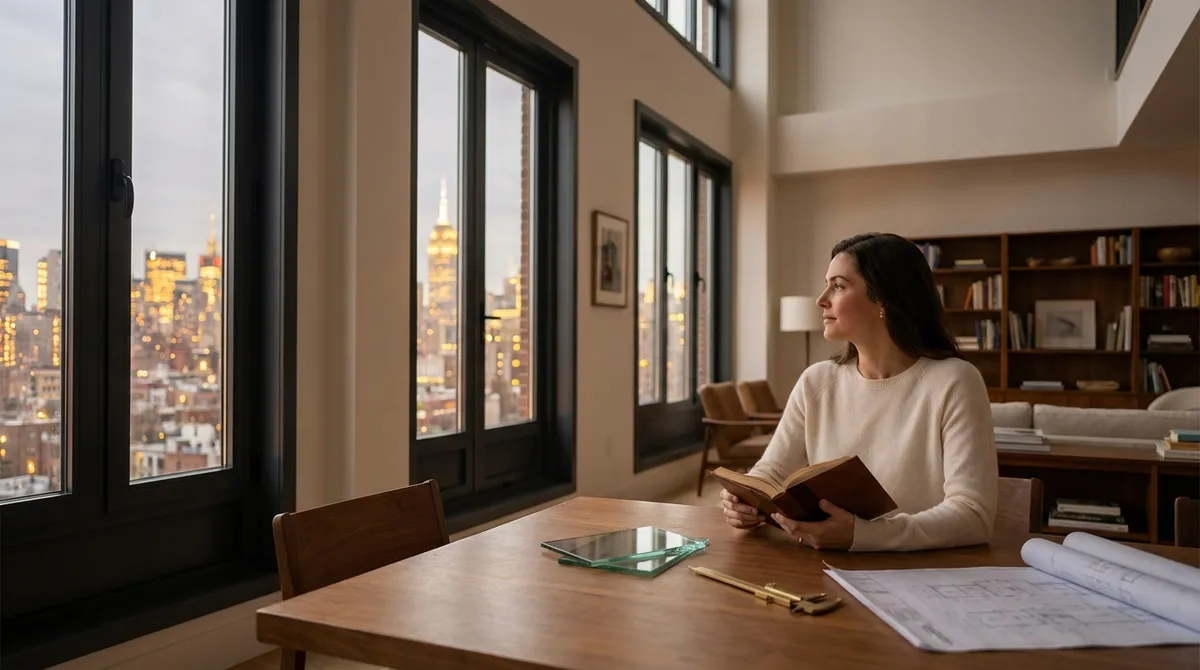
For refined homes, windows function as architectural instruments—governing light, silence, insulation, and even perceived volume of space. Evaluating cost solely by unit price or installation quote erases this broader context.
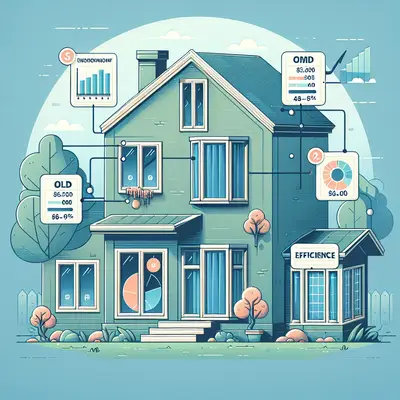
A more sophisticated approach is to treat each window as a long-horizon asset, measured not just by initial outlay but also by its contribution to energy performance, durability, and resale appeal over 20–30 years. High-performance glazing, thermally broken frames, and precision installation can reduce heating and cooling demand for decades, converting an apparent premium into a stream of operational savings. In parallel, high-quality windows reduce maintenance interventions—repainting, draft fixes, hardware replacements—that silently accumulate over time.
Viewed this way, the relevant question is not “What do these windows cost today?” but “What will these windows cost, and save, over their full lifespan—and what kind of home will they allow me to live in?”
Insight 1: The “Comfort Dividend” Is a Real, Hidden Line Item
Most cost calculators stop at energy bills. For a discerning homeowner, that is only half the story. The “comfort dividend” is the often-overlooked value generated by superior windows in four key dimensions: temperature stability, acoustic calm, daylight quality, and air quality.
Triple-pane or advanced double-pane units with low‑emissivity (low‑E) coatings do more than trim utility costs; they significantly reduce cold drafts and hot spots near glass, expanding the usable footprint of each room. Sound‑attenuating glass can convert a city-facing façade into a serene sanctuary, effectively upgrading the livability of your property without adding a square inch of space. High-quality seals and frames minimize air leakage, which not only improves efficiency but also enhances indoor air quality by allowing you to control ventilation instead of inheriting it through gaps and drafts.
While these benefits are difficult to assign an exact dollar figure, they are absolutely financial in nature: they influence how often you adjust thermostats, how you use your rooms, how long furnishings last in moderated sunlight, and ultimately how your home is perceived in the market. A premium window upgrade is often a discreet comfort renovation in disguise.
Insight 2: Material Selections Quietly Dictate Future Obligations
Frame material is frequently treated as a style preference; in reality, it is one of the most consequential cost decisions you will make. Each material carries a distinct cost profile over time—purchase price, maintenance demands, and expected service life.
- Wood (especially clad wood) offers unmatched warmth and architectural credibility but demands periodic care if exposed. Clad options (aluminum or fiberglass exterior, wood interior) command a higher upfront cost but dramatically reduce painting and weathering expenses.
- Aluminum is sleek and structurally strong, ideal for narrow sightlines and expansive glazing. Thermally broken profiles are essential in cooler climates to avoid condensation and efficiency losses, adding cost but preventing performance disappointments.
- Fiberglass and composite frames occupy a nuanced middle ground—dimensionally stable, low-maintenance, and energy-efficient. Their purchase cost is higher than basic vinyl but often lower than high-end wood or steel, while offering excellent longevity and negligible upkeep.
- High-end vinyl can be compelling in certain applications but should be selected with caution for luxury properties where tactile quality, color stability, and long-term aesthetic alignment matter.
When you examine the full cost curve, the question becomes: “Which material reduces my future obligations—financial, aesthetic, and maintenance-related—while aligning with the home’s architectural language?” The cheapest frame today is often the most expensive to live with tomorrow.
Insight 3: Installation Quality Is a Silent Multiplying Factor
Premium windows installed indifferently deliver middling results at luxury prices. The labor line of your estimate is not merely a service fee; it is a performance multiplier. Professional installation that is fully aligned with your climate, wall assembly, and building envelope strategy can either unlock or undermine the value of the product you selected.
Precise measurement, appropriate flashing, correct shimming, air and water sealing compatible with your building materials, and adherence to manufacturer specifications all influence long-term performance, warranty validity, and risk of future remediation. A lower-cost installer who shortcuts these details can effectively erase the performance advantage of superior units through air leakage, water intrusion, and frame movement over time.
In cost analysis, this means distinguishing between price per window and cost per correctly executed opening. For the refined homeowner, it is often wise to accept a higher line item for skilled, insured, and manufacturer-certified installers who understand high-performance assemblies, rather than retroactively funding repairs and efficiency losses for the life of the home.
Insight 4: Energy Savings Are Only Half the Financial Story
Energy efficiency is frequently presented as the headline justification for upgrading windows, with calculators projecting annual savings. While these are meaningful, focusing exclusively on energy can cause you to overlook more subtle but equally important financial dimensions.
High-performance windows can influence:
- Resale value and marketability – In markets where buyers are attuned to energy ratings and comfort, modern windows can accelerate time-on-market and support stronger offers, particularly when paired with documented performance metrics (U-factor, solar heat gain coefficient, and air leakage ratings).
- Insurance and risk mitigation – Impact-resistant glazing and robust frames in storm-prone regions may confer insurance advantages or, at minimum, reduce the risk and cost of storm damage and emergency repairs.
- Interior preservation – Low‑E coatings and specialized glazing significantly reduce UV transmission, preserving fine textiles, artwork, and wood finishes. Over a decade or two, the avoided cost of replacing faded or damaged furnishings becomes nontrivial in a design-forward home.
When evaluating cost, integrate energy modeling with a broader view of asset protection, resale positioning, and resilience. The windows are not just modifying your utility bill; they are defending every curated element inside your home.
Insight 5: Phased Upgrades Can Be Strategic, Not Compromised
A full-home window replacement is a substantial investment, and for many refined properties, the scale is significant. The assumption is often binary: either proceed all at once or delay the project. In reality, a carefully structured phased approach can provide financial flexibility while preserving design integrity and long-term value.
Strategic phasing begins with a clear hierarchy: prioritize façades with the poorest performance (drafts, condensation, visible deterioration), rooms most central to daily life, or orientations with the greatest solar exposure and impact on comfort. Align phases with exterior maintenance cycles—painting, siding replacement, roofing—so that scaffolding, trim work, and sealing are optimized, not duplicated.
From a cost-analysis standpoint, this approach allows you to invest in higher-caliber products and superior installation without diluting the specification to meet an all-at-once budget. The guiding principle is coherence: use the phased structure to maintain or elevate quality, not to rationalize compromises. Over a few years, you arrive at a fully upgraded envelope with carefully controlled cash flow and no sacrifice in architectural standard.
Conclusion
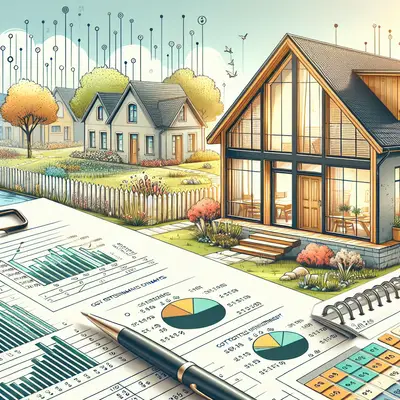
Cost analysis for premium window upgrades is ultimately an exercise in perspective. The refined homeowner looks beyond the invoice to consider comfort, durability, quiet, daylight, maintenance, and resale—each a column in a more sophisticated ledger.
When you reframe windows as long-term assets shaped by material, performance, installation, and phasing strategy, the “best price” is not the lowest number on a quote, but the one that yields the most enduring, quietly elevated way of living in your home. The true economy of superior windows is not loud; it is felt in every room, every season, for years to come.
Sources
- U.S. Department of Energy – Energy-Efficient Window Attachments – Explains how advanced windows and attachments influence energy use and comfort
- U.S. Environmental Protection Agency – ENERGY STAR Windows, Doors, and Skylights – Provides performance criteria, climate guidance, and efficiency considerations for window selection
- Efficient Windows Collaborative (National Fenestration Rating Council) – Offers in-depth explanations of U-factor, SHGC, and cost-effectiveness comparisons across window types
- U.S. Department of Energy – Windows, Doors, and Skylights – Covers basics of window performance, frame materials, and energy savings potential
- National Institute of Building Sciences – Whole Building Design Guide: Fenestration – Technical overview of fenestration design, performance, and integration with the building envelope
Key Takeaway
The most important thing to remember from this article is that this information can change how you think about Cost Analysis.