Every window upgrade decision is, at its core, an investment thesis wrapped in glass, framing, and craftsmanship. For the discerning homeowner, it is not simply a matter of “new versus old” or “double-pane versus triple-pane,” but a calibrated alignment of long‑term value, comfort, and aesthetic integrity. A sophisticated cost analysis looks beyond the quote in front of you and into the layered economics of performance, durability, and lifestyle.
Below, we unpack a premium perspective on window upgrade costs—anchored in five exclusive insights that reward a more nuanced, strategic way of thinking.
Reframing Cost: From Line Item to Long-Term Asset
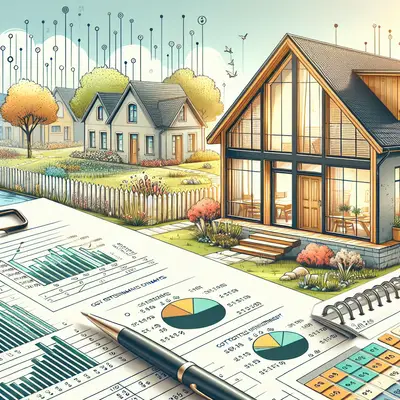
The initial proposal for new windows is often read as a single, daunting number. Yet, premium window projects are better understood as staged assets that affect your home’s operating costs, market value, and daily experience over decades.
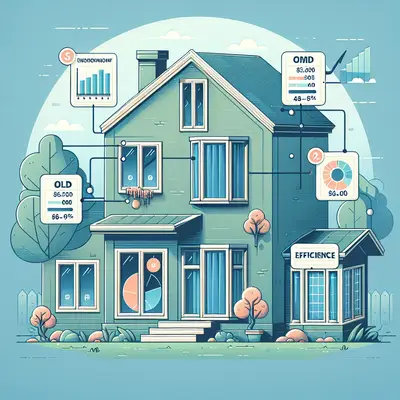
A refined cost lens factors in the lifespan of high-quality frames and glazing, the savings generated through reduced heating and cooling loads, and the downstream value at resale when buyers increasingly prioritize efficiency and acoustic comfort. Rather than comparing only today’s invoice, consider the cost per year of performance, including reduced maintenance, fewer repairs, and improved interior preservation (less UV damage to finishes and artwork).
When appraised this way, the “expensive” option may, over time, be the more economical—especially when windows are chosen not as generic units but as precisely specified components of the home’s architectural and energy strategy.
Insight 1: The Hidden Premium of Doing It Twice
One of the least discussed yet most powerful cost insights is the penalty of incrementalism—upgrading to “good enough” windows now, then revisiting the project a decade later when performance expectations rise.
Entry-level or mid-tier windows often appear cost‑effective in the short term, but they may reach functional or aesthetic obsolescence sooner: seals fail, finishes weather unevenly, hardware dates quickly, and energy standards outpace their ratings. The result is a second, unplanned upgrade cycle that quietly doubles your long‑horizon cost.
By contrast, specifying higher‑performance units with robust warranties and proven materials (such as fiberglass, clad wood, or high‑quality vinyl from reputable manufacturers) may compress your upgrade into a single, durable event. Your true metric is not “What can I save today?” but “What will I avoid paying for twice?” For many refined homes, the most economical choice is the one that ensures you do not need to revisit the same openings in 12–15 years.
Insight 2: Performance Metrics as Financial Instruments
Energy performance labels—U‑factor, Solar Heat Gain Coefficient (SHGC), visible transmittance—are often treated as technical curiosities. In reality, they are financial instruments, tightly linked to the ongoing cost of owning your home.
A lower U‑factor indicates better insulation, reducing heat loss in colder climates; a tuned SHGC can either invite free solar warmth or shield your interiors from unwanted heat gain, depending on orientation and region. These metrics translate into concrete differences in utility bills, particularly in homes with expansive glazing or in climates with pronounced temperature swings.
Sophisticated homeowners treat these ratings as part of their cost model: evaluating projected energy savings, potential eligibility for rebates and tax incentives, and the cumulative reduction in HVAC strain and future equipment replacement. Glazing choices for south-facing rooms, for example, may warrant a different SHGC than those for shaded or north-facing elevations. The more precise your alignment of performance metrics to orientation and climate, the more defensible your upgrade becomes on a purely economic basis.
Insight 3: Installation Quality as a Silent Cost Multiplier
A premium window can become a poor investment if it is set into the wall without equal attention to detail. The quality of installation is the quiet multiplier of your cost equation—either compounding value or eroding it from day one.
Imprecise installation, inadequate flashing, or inconsistent insulation around the frame can lead to air leakage, moisture ingress, and premature failure, erasing the promised efficiency gains and inviting costly remediation. Conversely, when a skilled installer treats each opening as a technical assembly—integrating weather barriers, insulation details, and proper shimming—the installed performance often exceeds the product’s theoretical ratings.
In your cost analysis, weigh bids not only on product but on the caliber of the installation team: their certifications, references, familiarity with your climate zone, and willingness to document details. A higher labor figure can be the most rational expenditure in your entire proposal, preserving warranties, preventing hidden damage, and ensuring the windows operate as a coherent part of the building envelope.
Insight 4: Curated Phasing as a Financial Strategy
A whole‑home window replacement completed in a single phase has undeniable appeal, but it is not always the most strategic path for every homeowner. Thoughtful phasing—executed with a long‑term plan—can be a powerful financial instrument.
Begin with the “high‑impact” openings: those leaking the most energy, facing harsh exposure, or compromising comfort and acoustics in key living areas. Pair this prioritization with any available incentives or seasonal promotions, and you can front‑load value while smoothing cash outlay. Critically, phasing should be curated, not improvised; align styles, finishes, and performance levels to avoid a fragmented aesthetic and future compatibility issues.
From a cost standpoint, this approach allows you to synchronize upgrades with other envelope work—such as siding or roof replacement—so that scaffolding, permits, and trades are consolidated rather than duplicated across multiple projects. The result is an elegant choreography of design coherence and financial prudence.
Insight 5: Non-Energy Dividends That Alter the Math
Energy savings are only one dimension of return. For many sophisticated homeowners, the most compelling dividends are non‑energy benefits that subtly but decisively alter the cost narrative.
Upgraded glazing can dramatically reduce exterior noise—a meaningful enhancement in urban, suburban, or flight‑path locations that directly impacts quality of life and perceived home value. Low‑emissivity coatings help preserve textiles, artwork, and furnishings, quietly protecting investments that may exceed the cost of the windows themselves. Improved security hardware and laminated glass can reduce the likelihood of forced entry or storm-related damage, which may carry implications for insurance and peace of mind.
Finally, the intangible yet real effect of visual refinement—slimmer sightlines, precisely aligned mullions, and more generous daylight—elevates the daily experience of the home. When assessing cost, it is worth acknowledging that some returns manifest not on a utility bill, but in how a home feels, looks, and supports the life lived within it. Those intangible gains often become the most enduring justification for a premium specification.
Conclusion
A sophisticated cost analysis of window upgrades is not an exercise in shaving dollars from a quote; it is a disciplined exploration of value over time. By recognizing the cost of doing it twice, treating performance metrics as financial data, insisting on elevated installation standards, using phasing as a strategic tool, and accounting for non‑energy dividends, you create a window strategy that is as rigorous as it is refined.
For the discerning homeowner, the true luxury is not simply beautiful windows, but the quiet confidence that every line in the proposal serves a long‑term vision—of efficiency, comfort, and architectural poise that endures.
Sources
- [U.S. Department of Energy – Guide to Energy-Efficient Windows](https://www.energy.gov/energysaver/windows-doors-and-skylights) - Explains window performance metrics, climate considerations, and energy savings potential
- [ENERGY STAR – Residential Windows, Doors, and Skylights](https://www.energystar.gov/products/building_products/residential_windows_doors_and_skylights) - Details efficiency criteria, climate zone guidance, and certified product information
- [Efficient Windows Collaborative (National Fenestration Rating Council)](https://www.efficientwindows.org/) - Offers comparative data on window performance, design considerations, and cost-effectiveness
- [U.S. Environmental Protection Agency – Benefits of Energy Efficiency](https://www.epa.gov/statelocalenergy/energy-efficiency-benefits-and-programs) - Provides broader context on energy-efficiency investments and their financial and non-financial benefits
- [National Association of Realtors – Remodeling Impact Report](https://www.nar.realtor/research-and-statistics/research-reports/remodeling-impact) - Includes data on resale value and homeowner satisfaction for projects including window replacements
Key Takeaway
The most important thing to remember from this article is that this information can change how you think about Cost Analysis.