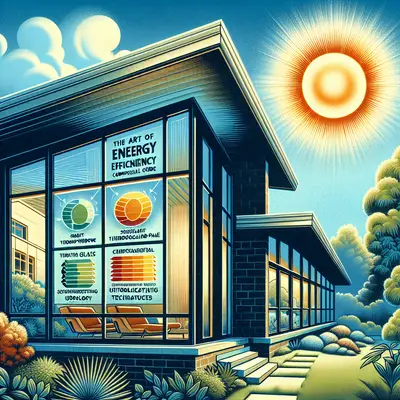
Energy efficiency is no longer a purely technical specification; it is a design philosophy. In a refined home, windows are not merely apertures for light, but instruments that orchestrate temperature, silence, light quality, and long-term value. The right upgrade does more than trim utility bills—it heightens comfort, deepens aesthetic coherence, and prepares a residence for the next decade of performance standards.
Below are five exclusive, often-overlooked insights for homeowners who approach window upgrades as a deliberate, high-level improvement rather than a commodity purchase.
Rethinking “Efficiency”: Comfort as the True Performance Metric
Energy ratings are useful, but they are not the whole story. A meticulously selected window will feel different before you ever see your utility bill. The test is simple: stand beside it in mid-winter or high summer and note whether the temperature and sound feel seamlessly continuous with the rest of the room. That sensation of absence—no drafts, no radiant chill, no hum from the street—is where genuine performance reveals itself.
For discerning homeowners, the most meaningful metric is “thermal and acoustic composure,” not merely U-factor or Solar Heat Gain Coefficient (SHGC). U-factor speaks to insulation, SHGC to solar gain control, but your comfort hinges on how those numbers work together in your specific climate, orientation, and lifestyle. In a sun-drenched living room, for instance, you may accept a marginally higher SHGC for winter warmth, provided low-e coatings and spectrally selective glass maintain clarity and block harsh summer radiation. True energy efficiency is a custom balance between comfort, clarity, and control—not the lowest number on a label.
The Orientation Advantage: Designing Glass Around the Sun’s Path
Most homeowners choose windows as if every wall lives under the same sky. A more refined approach treats each façade—north, south, east, west—as its own microclimate. Orientation matters profoundly, and using it intelligently can deliver efficiency gains that no single “miracle product” can match.
South-facing façades in colder climates often benefit from moderate solar gain to gently warm interiors in winter, provided shading and glazing keep summer heat at bay. East- and west-facing glass, which encounter low-angle morning and afternoon sun, may require more assertive control to avoid glare and overheating. Meanwhile, north-facing windows in many regions receive diffuse, consistent light and become ideal candidates for larger panes with stronger insulation but relaxed solar control. When window selection takes orientation seriously, the result feels remarkably composed: brighter rooms without harsh heat, quieter interiors without the heaviness of blackout solutions, and an envelope that works with the sun rather than against it.
Beyond Double-Glazing: Material Pairings That Quietly Elevate Performance
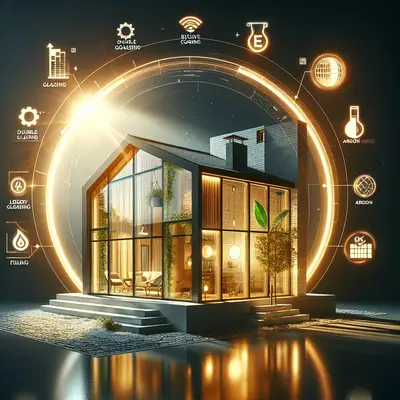
Many homeowners stop the conversation at “double vs. triple-pane,” but the most exquisite window systems are defined by the relationships between glass type, frame material, spacer technology, and gas fills. Efficiency emerges from the ensemble, not a single component.
For instance, a triple-pane unit with a warm-edge spacer and argon or krypton gas performs very differently depending on frame choice. High-quality fiberglass and composite frames expand and contract at rates closer to glass, maintaining seals and reducing long-term air leakage. Thermally broken aluminum delivers a slimmer profile with improved performance, particularly useful in contemporary design where narrow sightlines are prized. Paired with advanced low-e coatings, these assemblies offer a distinctive advantage: large, visually light expanses of glass with industrial or minimal aesthetics that perform like a much more robust wall. The effect is quietly luxurious—rooms that feel visually expansive yet thermally steady, day after day, season after season.
Invisible Luxury: Controlling Condensation, Glare, and UV Fading
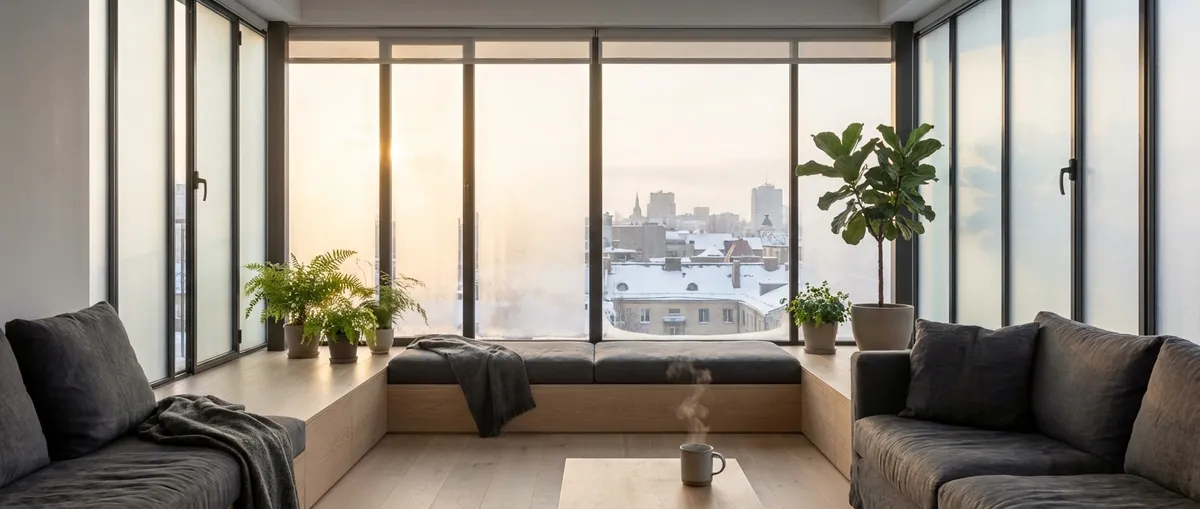
Truly elevated energy efficiency is often experienced in what does not happen. No film of condensation tracing the edge of a winter morning. No blinding slice of afternoon glare cutting across a reading chair. No gradual fading of a hand-knotted rug or bespoke millwork under a favorite window.
Condensation control is a subtle but critical marker of performance. Windows with well-engineered thermal breaks, insulated glass, and stable interior surface temperatures are far less prone to interior moisture beads, protecting finishes and framing while preserving views. Meanwhile, spectrally selective low-e coatings can filter out a large share of ultraviolet and infrared radiation while preserving a clear, neutral view—no conspicuous tint. This not only protects textiles and wood finishes but also maintains the refined color accuracy of interior design. Incorporate carefully positioned overhangs, exterior shading, or integrated blinds-between-glass, and you gain another layer of invisible luxury: a home that feels consistently calm and visually gentle, regardless of the hour.
Quiet Returns: Lifetime Value, Not Just Monthly Savings
Energy-efficient windows, chosen well, deliver an unusually graceful return on investment. The obvious benefit is lower heating and cooling costs, but for high-caliber homes, the full value unfolds across multiple dimensions: resilience, regulation readiness, and resale distinction.
Enhanced glazing and robust, air-tight frames reduce mechanical strain on HVAC systems, often extending equipment life and moderating maintenance expenses. In many regions, improved window performance positions a property favorably against tightening building codes and emerging energy disclosure requirements—especially important for long-term owners and those with legacy or flagship residences. At resale, precision documentation of U-factor, SHGC, gas fill, frame composition, and certifications (such as ENERGY STAR or NFRC ratings) can differentiate an otherwise comparable property. Potential buyers at the upper end of the market increasingly recognize that well-executed window upgrades signal an owner who invests in both comfort and stewardship. The return is thus quiet but compound: lower operating costs, longer system life, improved market position, and an enduring sense of composed interior quality.
Conclusion
Energy-efficient windows are not simply a line item on a renovation checklist; they are architectural instruments that shape how a home feels, performs, and ages. When you move beyond generic efficiency labels to consider orientation, material harmony, invisible protections, and long-term resilience, window upgrades become a strategic refinement of the entire living experience. The most successful projects are those where the glass, frames, and detailing recede from attention—even as they continuously, silently, and efficiently support a home that feels calm, temperate, and unmistakably well made.
Sources
- [ENERGY STAR – Windows, Doors & Skylights](https://www.energystar.gov/products/building_products/residential_windows_doors_and_skylights) - U.S. EPA guidance on energy-efficient window performance, ratings, and selection
- [U.S. Department of Energy – Energy-Efficient Windows](https://www.energy.gov/energysaver/energy-efficient-windows) - In-depth overview of glazing types, low-e coatings, gas fills, and frame materials
- [National Fenestration Rating Council (NFRC)](https://www.nfrc.org) - Explains window performance labels, including U-factor and SHGC, and how to compare products
- [Lawrence Berkeley National Laboratory – Windows & Daylighting](https://windows.lbl.gov) - Research-based insights into window technologies, thermal performance, and comfort
- [U.S. Department of Energy – Windows Selection and Orientation](https://www.energy.gov/energysaver/window-types-and-technologies) - Guidance on aligning window choice with climate, orientation, and overall building design
Key Takeaway
The most important thing to remember from this article is that this information can change how you think about Energy Efficiency.