Energy efficiency, at its best, is almost invisible. It is felt more than seen—comfort that holds steady, glass that never seems to chill, rooms that stay luminous yet composed. For homeowners considering refined window upgrades, the opportunity is not merely to save on utilities, but to orchestrate a quieter, more stable, and more luxurious interior environment.
What follows are five exclusive insights that go beyond basic “energy‑efficient windows” talking points. Each is designed for homeowners who expect performance to match the architecture, and detail to match the investment.
1. Thermal Comfort Is a Design Element, Not Just a Metric
Most discussions stop at U‑factor and solar heat gain coefficient (SHGC). Important, yes—but incomplete. In a premium home, the real question is: how does the glass feel from three feet away in mid‑January, or under a fierce July sun?
Exceptional window solutions create thermal comfort that behaves like well‑tuned climate control. Low‑emissivity (low‑e) coatings reduce radiant heat transfer so that interior glass surfaces stay closer to room temperature. This reduces the “cold wall” effect that makes high‑ceilinged spaces or large expanses of glass feel drafty, even when there is no actual air leakage.
Strategic selection of glazing packages can achieve comfort parity between interior walls and windows, which subtly elevates how a room is perceived. Large picture windows no longer need to be transitory “viewing” spots; they become legitimate seating zones in all seasons. In well‑designed systems, occupants rarely think about the temperature near the glass—that absence of awareness is, in fact, the point.
2. Glass Orientation Can Quietly Rebalance Your Energy Profile
Orientation is often discussed in a cursory “south vs. west” way, but in a refined window strategy it becomes almost architectural choreography.
In practice, this means leveraging different glazing specifications by façade rather than applying a single “efficient” package across the entire home. South‑facing elevations in temperate or cold climates can benefit from a slightly higher SHGC to harvest winter solar gain, reducing heating demand. West‑facing windows, by contrast, usually call for a more aggressive solar control low‑e coating to tame late‑day heat and glare.
On premium projects, this can extend to nuanced zoning: a shaded south elevation may not need the same solar control as an exposed west‑facing upper story; a deeply recessed loggia might invite a different glass specification than a flush modern façade. Thoughtful orientation‑driven glazing decisions can flatten daily temperature swings, reduce peak loads on mechanical systems, and deliver a more serene interior rhythm—without the homeowner ever needing to touch the thermostat.
3. Frame Architecture: The Quiet Partner in Energy Performance
Glass often gets the attention, but the frame architecture frequently determines whether a window feels truly composed or merely adequate.
High‑performance frames—whether aluminum with thermal breaks, premium vinyl, fiberglass, or carefully engineered wood‑clad systems—manage two critical elements: conduction and air movement. Thermal breaks in aluminum separate the interior and exterior metal, dramatically reducing heat transfer. Multi‑chamber vinyl and fiberglass frames trap still air to improve insulation. Advanced gaskets and compression seals minimize air infiltration, which is where many real‑world energy losses occur.
In a premium setting, this has a perceptible side effect: stillness. When frames are properly designed and installed, drafts around operable sashes disappear, exterior noise is softened, and interior humidity is easier to control. The result is not merely an efficient envelope—it is a more composed, acoustically refined interior that feels appropriately aligned with the home’s architectural caliber.
4. Daylighting as an Energy Strategy, Not Just an Aesthetic Choice
Natural light is frequently treated as a visual luxury, but in a well‑executed window upgrade it becomes part of the home’s quiet energy strategy.
High‑performance glazing allows generous expanses of glass without the penalty of excessive heat loss or gain. When paired with careful placement and frame design, this enables a home to rely less on artificial lighting during the day—one of the most underappreciated energy loads. Clear, spectrally selective glazing can admit abundant visible light while filtering a significant portion of infrared heat, maintaining clarity without the need for heavy shading.
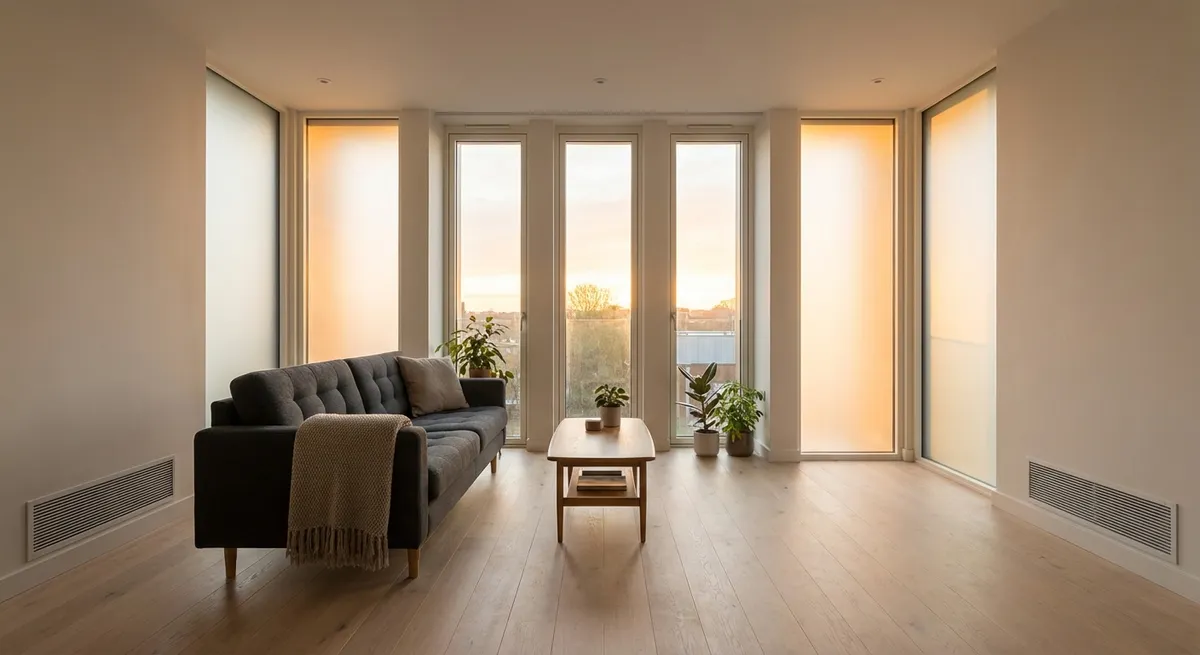
For discerning homeowners, the refinement lies in how the light behaves. Balanced daylight reduces glare on finishes and screens, preserves color accuracy in interiors, and minimizes harsh contrasts between lit and shadowed zones. Properly designed window upgrades can allow seamlessly lit corridors, softly washed stairwells, and luminous great rooms that remain comfortable well into the afternoon—subtly cutting electrical consumption while elevating visual comfort.
5. Energy Efficiency That Future‑Proofs Architecture and Resale
Well‑chosen window upgrades do more than trim utility bills; they act as long‑term stabilizers for both the building and its value.
Climate conditions, energy prices, and building codes are all trending in one direction: higher expectations for performance. Investing now in windows that exceed current code—rather than just meeting it—creates a margin of resilience. High‑performance units with robust warranties, durable finishes, and stable materials (like fiberglass or high‑end composite frames) help delay functional obsolescence and protect the architectural statement over time.
From a resale perspective, sophisticated buyers are increasingly attuned to performance details: documented U‑factors, reputable brands, recognized certifications, and energy audit results. Homes that can demonstrate well‑planned window strategies—differentiated glazing by orientation, clearly labeled efficiencies, and professionally documented installation—signal a level of care that supports premium valuations. Energy efficiency, when done thoughtfully, becomes part of the home’s narrative of quality rather than a footnote about “new windows.”
Conclusion
Energy‑efficient windows are no longer a purely technical upgrade; they are an integral part of how a home feels, performs, and endures. For homeowners with a refined eye, the goal is not simply “better insulation,” but a more stable interior climate, a quieter envelope, more cultivated daylight, and an architecture that gracefully anticipates the future.
The most successful projects pair advanced glass technology with carefully chosen frame systems, nuanced orientation strategies, and precise installation. When these elements converge, efficiency ceases to be a visible “feature” and becomes what it should always have been: a quiet, persistent form of comfort that underpins every other luxury in the home.
Sources
- U.S. Department of Energy – Energy‑Efficient Windows – Overview of window performance metrics, low‑e coatings, and frame considerations
- Efficient Windows Collaborative – Window Selection Guidance – Detailed guidance on climate‑specific glazing choices and orientation strategies
- Lawrence Berkeley National Laboratory – Windows and Daylighting – Research on thermal performance, daylighting, and advanced glazing systems
- National Fenestration Rating Council (NFRC) – Information on standardized window ratings (U‑factor, SHGC, VT) and labeling for consumers
- ENERGY STAR – Residential Windows, Doors and Skylights – Criteria and climate‑zone recommendations for high‑efficiency residential windows
Key Takeaway
The most important thing to remember from this article is that this information can change how you think about Energy Efficiency.