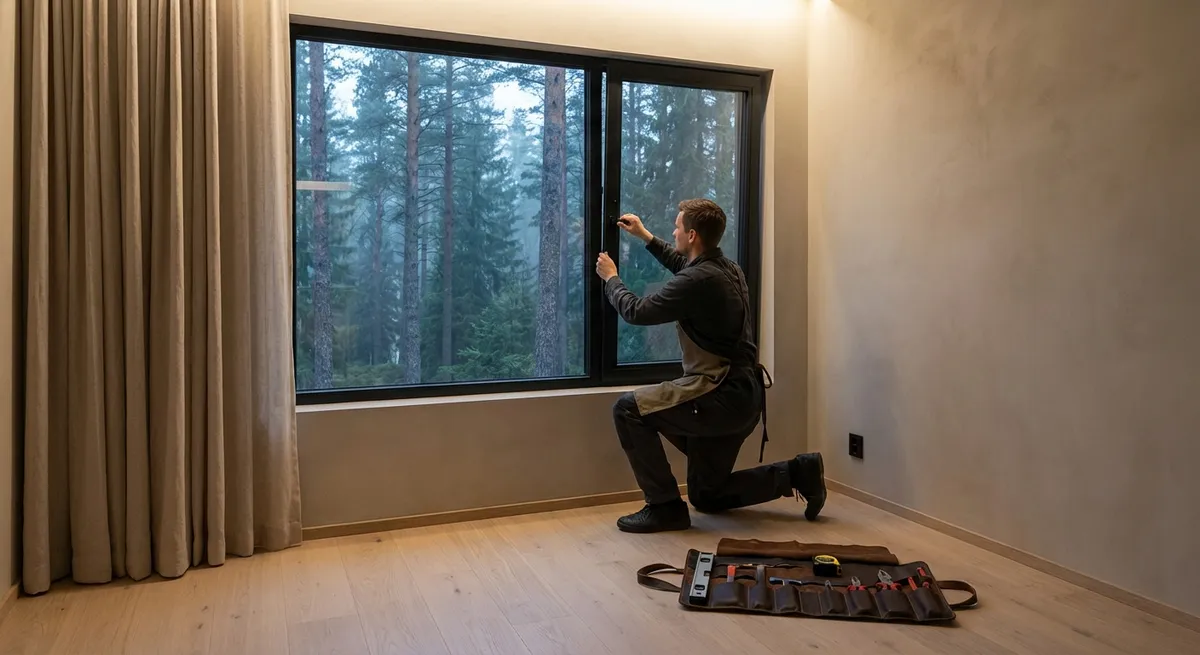
In an elevated residence, windows are not merely openings to the outdoors; they are instruments of light, temperature, and quiet. Yet even the most exquisite glazing is only as refined as its installation. A flawless frame, an invisible seal, a sash that glides without sound—these are not accidents, but the result of meticulous planning and execution. For homeowners who expect more than “builder-grade” outcomes, understanding the subtleties of installation is the difference between a window that simply functions and a window that feels impeccably tailored.
Below are five exclusive, often overlooked insights that sophisticated homeowners should insist upon before a single frame is set into the wall.
1. Installation Is a Performance System, Not a Single Task
Most homeowners treat window installation as a line item: remove, replace, caulk, done. In a premium home, this mindset is a missed opportunity. A window is a node in a larger performance system that includes the wall assembly, exterior cladding, interior finishes, HVAC strategy, and even acoustic planning.
A discerning contractor will evaluate how each opening interacts with insulation, vapor barriers, and thermal bridging points. For example, the decision to “outboard” a window—aligning it closer to the exterior insulation—can significantly improve thermal continuity and reduce cold spots at the interior sill. Similarly, correct integration of flashing with the weather-resistive barrier ensures that water is actively directed away from the structure rather than merely resisted at the frame.
What appears, from the interior, as a minimalist window line is often the result of a precisely layered system behind the walls. When interviewing installers, ask them to describe how your windows will interact with the building envelope as a whole. The quality of their answer will tell you more than any brochure.
2. Precision Tolerances Define the Feel of Luxury
Luxury in windows is often described in terms of materials and aesthetics—sleek aluminum profiles, rich wood interiors, low-iron glass. Yet the true sensation of refinement is most noticeable in the tolerances: how tightly, quietly, and reliably each unit fits and functions.
Best-in-class installers treat millimeters as a serious matter. Frames are checked for plumb, level, and square not only once, but at multiple stages: dry-fit, initial fastening, and final adjustment. Shims are placed intentionally, not “wherever they fit,” to maintain structural support without distorting the frame. The result is a sash that closes with a gentle, confident compression instead of a forced tug or uneven latch.
You’ll feel this rigor in daily use. Handles engage smoothly, locking hardware seats cleanly, and there is no subtle rattle on windy nights. Over time, hardware fatigue, air leaks, and alignment issues are dramatically reduced. If your installer speaks in vague assurances rather than measurable tolerances—gap allowances, squareness checks, compression ranges—you are not buying premium installation, no matter the window brand.
3. Acoustic Performance Begins at the Perimeter, Not the Glass
Most high-end clients seeking a quieter home gravitate toward laminated glass or specialized acoustic glazing. While these are powerful tools, the silence you experience depends as much on the perimeter installation as on the glass itself.
Sound energy loves the path of least resistance. Poorly sealed frame-to-wall joints, hollow cavities left around the rough opening, and low-density expanding foams can undermine even the most advanced acoustic glazing. A truly sound-conscious installation treats the perimeter as a continuous, dense, and well-sealed buffer. High-quality acoustic sealants, backer rods with appropriate compression, and dense insulation (sometimes mineral wool rather than basic foam) can drastically improve decibel reduction.
For homes near urban centers, busy roads, or flight paths, it is worth requesting that acoustic performance be explicitly addressed in the installation specification. Ask how gaps will be filled, which sealants will be used, and whether joints are designed to remain flexible over time rather than crack and transmit noise. True quiet is rarely achieved by glass alone; it is orchestrated at the edges.
4. Thermal Comfort Is Crafted in the Joints and Details
Many homeowners focus on U‑factors, solar heat gain coefficients, and low‑E coatings when comparing windows. Yet the subjective experience of comfort—no drafts at the reading chair, no cold band along the floor in winter—is often determined less by the glass than by the subtle thermal detailing around it.
A sophisticated installation strategy considers how the frame will bridge between interior conditioned space and the colder (or hotter) exterior. This includes the use of insulated sills, continuous air barriers that are properly taped or sealed to the window frame, and careful treatment of the interior returns so there are no hidden voids. Sloppy insulation around the rough opening can create invisible cold channels that undermine the performance of a premium window.
On a winter evening, an expertly installed window will feel almost neutral from a few inches away—no perceptible chill radiating inward, no faint movement of air at the jamb. That sensation of calm, even comfort is the hallmark of thermal detailing done correctly. In a refined home, comfort is never left to chance.
5. The Most Luxurious Installations Are Documented, Not Assumed
Premium outcomes are rarely the result of verbal promises; they are created by clear documentation and verifiable standards. A sophisticated homeowner will expect a window installation plan that reads less like an estimate and more like a specification.
This can include product data sheets for flashing and sealants, cross-sectional details showing how the window ties into the wall assembly, and a checklist of commissioning steps—air and water tests, hardware verification, and finish inspections. In some higher-end projects, blower door testing is conducted after installation to confirm that the new windows meet targeted airtightness levels.
Documentation also matters for long-term ownership. Should you sell the property or pursue future improvements, having a record of how windows were installed (and with which products) is a quiet but meaningful asset. It signals that the home was not simply upgraded, but thoughtfully engineered.
Conclusion
In a truly considered residence, window installation is not a background activity; it is a craft discipline that shapes how you experience light, sound, temperature, and even the feel of daily rituals. The most refined outcomes arise when homeowners treat installation with the same seriousness they apply to selecting finishes, cabinetry, or lighting design.
By viewing windows as part of a performance ecosystem, insisting on precise tolerances, elevating acoustic and thermal detailing, and demanding clear documentation, you transform “new windows” into a lasting architectural enhancement. The result is not only better efficiency or resale value, but a quieter, calmer, more composed interior—an atmosphere that feels as carefully curated as the rest of your home.
Sources
- Efficient Windows Collaborative – Window Selection and Installation - U.S. Department of Energy overview of how installation affects window performance
- U.S. EPA ENERGY STAR – Window, Door, and Skylight Installation Guidance - Technical guidance on proper practices and performance criteria
- Building America Solution Center – Window Installation Best Practices - Detailed building-science-based guides for integrating windows with the building envelope
- FGIA (Fenestration & Glazing Industry Alliance) – Installation Practices - Industry standards and recommendations for high-quality fenestration installation
- Berkeley Lab – Residential Windows and Comfort - Research-based insights on how windows and their installation influence comfort and efficiency
Key Takeaway
The most important thing to remember from this article is that this information can change how you think about Installation.