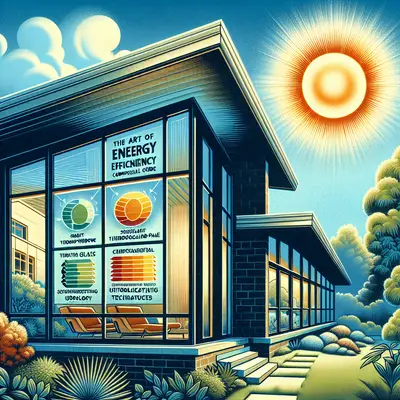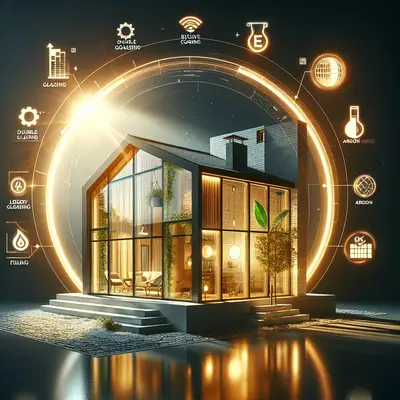
A truly refined home is not just seen—it is felt. The quiet stability of indoor temperature, the absence of drafts, the way sunlight is softened rather than scorched: these are the subtleties that distinguish a space designed with intention. Nowhere is this more evident than in the windows. Beyond aesthetics, high-performance glazing is rapidly becoming the discreet engine of energy efficiency, comfort, and long-term value. For homeowners considering a window upgrade, understanding how to harness that “silent power” can turn a routine renovation into a strategic transformation.
The Invisible Architecture of Glass: Reading Performance Like a Connoisseur
To the discerning eye, two panes of glass are never simply “the same.” Modern energy-efficient windows are, in effect, precision instruments—engineered layers working in concert to control heat, light, and sound.
Low-emissivity (low-E) coatings, those microscopically thin metallic layers on the glass surface, govern how infrared energy is reflected or absorbed. In cooler climates, a well-selected low-E formulation can retain interior warmth while still admitting generous daylight; in sunnier regions, a different coating can deflect solar heat gain without rendering the view dull or tinted.
Thermal breaks in frames, warm-edge spacers between panes, and the configuration of gas fills (argon, krypton, or hybrid blends) each tweak performance in specific, measurable ways. Instead of asking only for “double- or triple-pane,” a refined specification focuses on:
- U-factor for overall insulating performance
- Solar Heat Gain Coefficient (SHGC) for how much solar energy the window admits
- Visible Transmittance (VT) for the character and quantity of daylight
The sophisticated approach is to treat these metrics as a curated palette, matching them to your climate, orientation, and lifestyle rather than accepting a generic “energy-efficient” label.
Beyond the Pane: How Your Climate and Orientation Quietly Dictate the Rules
True efficiency is contextual. The same window that is outstanding in Minneapolis can be mediocre in Miami. A premium outcome starts with an architectural reading of your site.
North-facing elevations often benefit from low U-factors and moderate SHGC, leveraging soft, consistent light. South-facing façades in cold climates may welcome a higher SHGC to capture passive solar heat in winter, while the same orientation in a hot, sunny region demands aggressive control of solar gain through selective coatings and exterior shading.
East and west exposures, buffeted by low-angle morning and afternoon sun, can be the most challenging. Here, high-performance glass, paired with strategic shading devices or overhangs, often outperforms brute-force mechanical cooling.
This climate- and orientation-aware approach leads to a subtle yet powerful insight: the most elevated window strategies may intentionally vary specifications across the home. A tailored glazing schedule—north, south, east, and west each thoughtfully addressed—creates a calm, consistent interior environment that mechanical systems merely support rather than struggle to correct.
Five Exclusive Insights for Discerning Homeowners
The following five insights move beyond standard advice and into the realm of elevated, strategic decision-making—where aesthetics, comfort, and performance converge.
1. Thermal Comfort Is a Luxury Feature, Not Just an Efficiency Metric
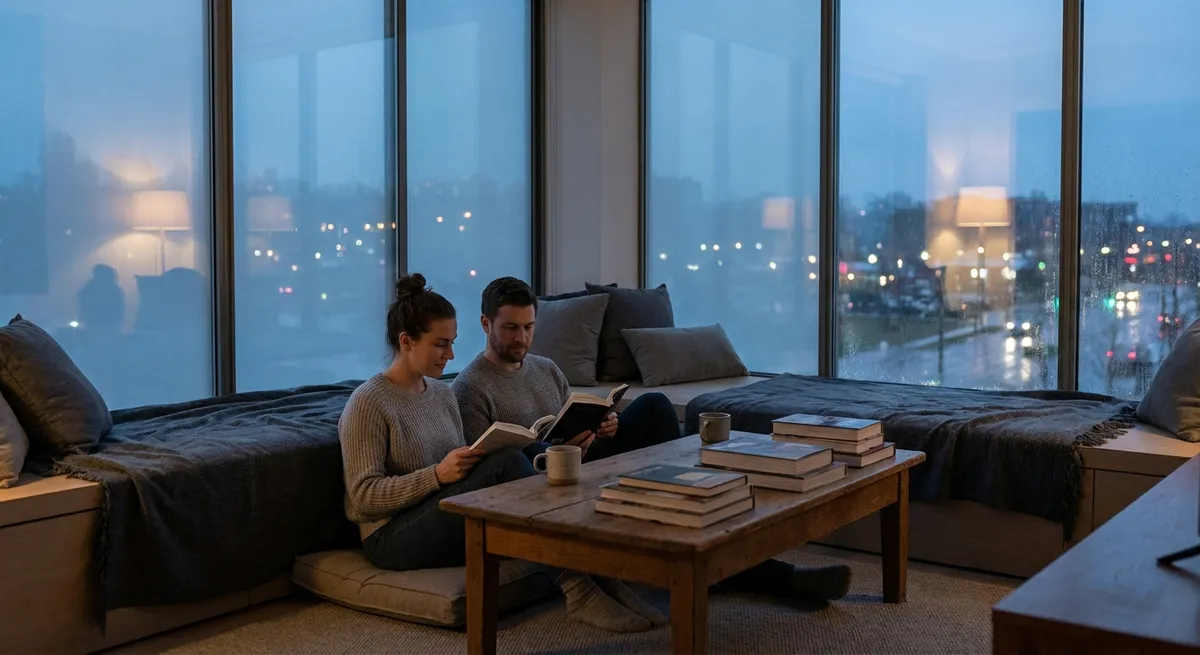
Many homeowners focus on energy bills and overlook something even more tangible: how close you can sit to a window in January or August without discomfort. High-performance units significantly raise the temperature of the interior glass surface in winter and cool it in summer, reducing radiant chill and heat.
This means:
- No more “cold zone” near large windows in winter
- Fewer drafts and pressure differentials that lead to discomfort
- A more uniform indoor temperature, enabling lower thermostat settings without sacrificing comfort
In a refined home, comfort is not an accident; it is orchestrated. Superior thermal comfort is one of the most immediately noticeable—and luxurious—benefits of an intelligent window upgrade.
2. The Frame Is the Quiet Saboteur (or Secret Ally)
Glass performance often gets the spotlight, yet frames can silently undermine or elevate the entire system. High-end aluminum frames, while visually sleek, conduct heat readily unless they incorporate robust thermal breaks. Wood, fiberglass, and high-quality composite frames typically offer better insulating performance, but their detailing is crucial.
A premium specification looks for:
- Thermally broken aluminum in contemporary designs
- Fiberglass or composite frames with low expansion and contraction, reducing seal failure over time
- Meticulous weatherstripping and multi-point locking that ensure consistent compression and airtightness
Under the radar, frame selection can determine whether your high-performance glazing reaches its potential or becomes an expensive compromise.
3. Daylight as a Design Asset, Not an Energy Liability
Sophisticated homes treat daylight as a design material. Instead of simply enlarging glass areas and accepting higher cooling loads, advanced glazing allows generous expanses of glass with controlled solar gain.
Selectivity—the ratio of visible light transmitted to solar heat admitted—becomes a key measure. High-selectivity low-E coatings admit ample daylight while blocking a significant portion of infrared energy, preserving bright interiors without the penalty of overheating.
This creates an elegant synergy:
- Reduced reliance on electric lighting
- Lower cooling demand
- A more visually expansive and uplifting interior atmosphere
The refined lens sees large windows not as an energy risk, but as an asset—provided the glass is carefully specified for selectivity.
4. Sound, Security, and Efficiency: One Strategic Glazing Decision
Laminated and thicker glass configurations, often chosen for security or acoustic reasons, can simultaneously enhance energy performance. Multi-layer constructions with interlayers do more than quiet the street; they also reduce heat transfer at specific frequencies and improve the stability of interior conditions.
For homes in urban or high-traffic areas, or those exposed to wind and weather extremes, a single upgrade to laminated, low-E, gas-filled insulating glass can deliver:
- Noticeable noise reduction
- Improved resistance to forced entry and impact
- Enhanced thermal performance and reduced drafts
In the realm of premium solutions, efficiency does not have to be a standalone objective—it can be built into a holistic performance envelope that includes serenity and security.
5. Long-Term Value Is Written in the Numbers Behind the Glass
Energy-efficient windows are long-lived components with a financial narrative that plays out quietly over decades. While the initial investment may feel steep, particularly for bespoke or architectural units, the long-term calculus is compelling when approached with precision.
A sophisticated cost-benefit assessment considers:
- Local energy prices and projected inflation
- Climate severity and annual heating/cooling degree days
- Decreased load on HVAC equipment (and thus extended equipment life)
- Potential resale premiums for verified energy performance (for example, ENERGY STAR or similar certifications)
For many homes, strategically specified windows can meaningfully reduce annual energy expenditures and enhance resale desirability. In the luxury segment, buyers increasingly recognize and value documented performance—turning invisible efficiency into tangible market differentiation.
Integrating Technology: Smart Controls for a Discreetly Intelligent Envelope
Today’s most refined window strategies marry superior hardware with intelligent controls. Smart shades, automated exterior blinds, and connected thermostats can coordinate with solar patterns, occupancy, and even weather forecasts to modulate heat gain and loss in real time.
Consider:
- Motorized shades that lower automatically during peak summer sun
- Smart glass technologies (such as electrochromic glazing) that adjust tint dynamically
- Integrated sensors tracking interior and exterior temperatures to optimize shading and HVAC responses
The result is an envelope that behaves almost like a living system—continuously adjusting, protecting, and optimizing, without overt intrusion. For homeowners intent on a discreet yet deeply capable environment, this convergence of glazing and smart technology offers a compelling pathway.
Conclusion
Energy efficiency in windows is no longer a matter of simply “upgrading to double-pane.” It has evolved into an artful discipline: analyzing climate, orientation, comfort, acoustic needs, aesthetic ambitions, and long-term value—and then orchestrating glass, frames, coatings, and controls into a coherent whole.
The most sophisticated homes are defined not only by what you see, but by what you feel—or rather, what you no longer feel: drafts, glare, noise, and temperature swings. By approaching window upgrades with a connoisseur’s mindset and a performance-driven specification, you transform every view into a quiet engine of comfort, efficiency, and enduring elegance.
Sources
- U.S. Department of Energy – Energy-Efficient Windows – Overview of window performance metrics, frame materials, and climate considerations
- ENERGY STAR – Residential Windows, Doors and Skylights – Criteria, climate zone guidance, and benefits of ENERGY STAR–certified window products
- Efficient Windows Collaborative (National Fenestration Rating Council) – Detailed explanations of U-factor, SHGC, visible transmittance, and climate-based selection guidance
- Lawrence Berkeley National Laboratory – Windows & Daylighting – Research on advanced glazing, low-E coatings, daylighting, and dynamic window technologies
- U.S. Environmental Protection Agency – The Added Value of Efficient Homes – Discussion of how energy-efficient features can influence comfort, health, and long-term home value
Key Takeaway
The most important thing to remember from this article is that this information can change how you think about Energy Efficiency.