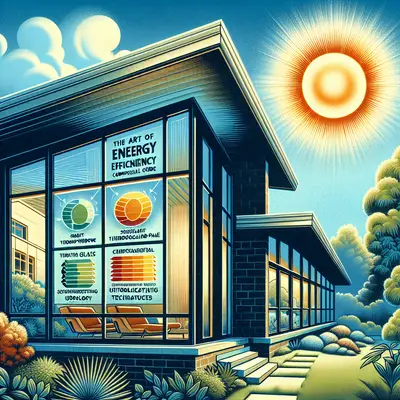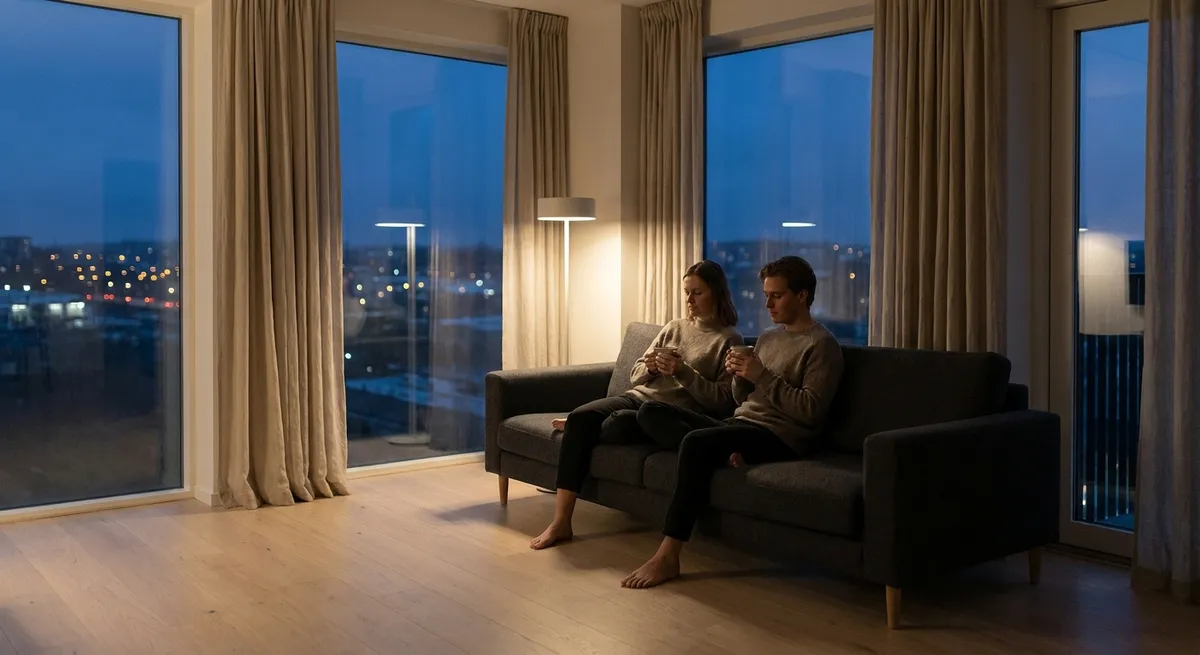
Energy efficiency is no longer a purely technical specification; it is a quiet performance that underpins comfort, aesthetics, and long-term value. For the discerning homeowner, windows are not simply panes of glass—they are precision instruments that orchestrate light, temperature, and acoustics. The most refined window upgrades do their work almost invisibly, delivering measurable efficiency while preserving the architecture’s character and elevating daily living. Below are five exclusive, often overlooked insights that bring energy-efficient window design into the realm of genuine luxury.
Beyond U-Factor: Reading the Full Performance Story
Many homeowners stop at U-factor (how well a window resists heat loss), but the truly informed approach treats U-factor as only the opening line in a richer performance profile. Solar Heat Gain Coefficient (SHGC), Visible Transmittance (VT), and air leakage ratings each shape how a space feels across the seasons—how bright, how warm, how stable, how quiet. In a sun-drenched living room, for instance, a low SHGC can temper overheating without resorting to heavy drapery that dulls the view. In a north-facing study, a slightly higher SHGC may be deliberately chosen to harvest passive solar warmth on winter days.
Refined energy efficiency is about intentional imbalance rather than rigid uniformity. A well-curated home might mix high-performance coatings, frame materials, and specifications across elevations to suit microclimates around the property—treating each façade as its own environment rather than enforcing a single, generic solution. The result is a home with fewer drafts, more stable temperatures, and light that feels natural instead of harsh or muted. When your windows are specified with this depth of understanding, energy performance ceases to be a checkbox and becomes a tailored design language.
The Hidden Luxury of Optimized Frame Material
Glass often steals the spotlight, yet the frame is where subtle, long-term efficiency gains quietly accumulate. Wood, fiberglass, aluminum-clad, and high-end composites each offer a distinct thermal and aesthetic profile. Thermally broken aluminum, for instance, pairs slender, architectural sightlines with advanced insulation that was once exclusive to commercial façades. Fiberglass frames offer remarkable dimensional stability and low thermal expansion, minimizing air gaps over time—a critical, yet understated, contributor to both efficiency and comfort.
For the premium residence, the most compelling solutions often layer benefits: a warm wood interior for visual richness paired with an aluminum or composite exterior for durability and low maintenance. High-performance frames with insulated cavities, multi-chamber profiles, and compression seals can dramatically reduce convective currents that cause the “cold draft” sensation near windows—even when the thermostat is set correctly. In a well-finished room, that absence of invisible discomfort is one of the most luxurious experiences of all: a space that simply feels right, at every seat and in every season.
Glass as Climate Control: Curated Coatings and Interlayers
Low-emissivity (low-E) glass is now an expected feature, but the sophistication lies in choosing the right low-E formulation and configuration for each exposure and function. Some advanced coatings prioritize heat rejection while preserving a crisp, neutral color rendering—ideal for design-conscious homes where true finishes and furnishings must be seen accurately in natural light. Others favor heat retention for colder climates, reflecting interior warmth back into the room while still allowing generous daylight.
In higher-spec installations, laminated glass with special interlayers offers an elegant synergy: improved thermal performance, enhanced security, reduced ultraviolet (UV) fading, and a notable softening of external noise. For art-filled interiors, this can be a quiet guardian for textiles, woods, and artworks that would otherwise suffer from long-term sun exposure. Triple glazing, once considered utilitarian, now appears in slender, refined profiles, delivering a composed interior soundscape and more stable interior surface temperatures—no more “cold wall” effect beside expansive glass. Thoughtfully selected, glass becomes less a barrier and more an intelligent membrane that filters climate, sound, and light with remarkable precision.
Precision Sealing: The Unseen Architecture of Comfort
Caulking, gaskets, and weatherstripping are rarely discussed in design meetings, yet they form the unseen architecture that separates a truly efficient window from a merely attractive one. Even the most exquisite frame and glazing will underperform if air infiltration is neglected at the perimeter. Premium installations use multi-stage sealing strategies: compressible gaskets for structural joints, advanced sealants compatible with both the frame and adjacent materials, and carefully detailed flashing to direct water away from vulnerable interfaces.
For the homeowner, the benefit is tangible: no cold eddies around ankles, no whistling on windy nights, no faint sense of “leakiness” that undermines the home’s overall sense of sanctuary. Well-executed sealing also stabilizes humidity levels indoors, making climate control systems more efficient and reducing stress on finishes and furnishings. Over years, this invisible craftsmanship preserves both performance and peace of mind, shielding you from the incremental degradation that plagues many standard installations. It is luxury at its most discreet—felt, not seen.
Intelligent Pairings: Windows Aligned With Mechanical Systems
Sophisticated energy efficiency does not end at the window; it harmonizes with the home’s mechanical orchestration. High-performance windows reduce heating and cooling loads, which can enable smaller, more efficient HVAC systems or allow those systems to operate at their calmest, quietest settings. In homes with radiant flooring, advanced glazing can minimize cold downdrafts that would otherwise compete with the gentle upward warmth, creating a more even, enveloping comfort.
For whole-home strategies—heat pumps, balanced ventilation with energy recovery, or zoned climate control—the right window package can unlock performance gains that are disproportionately large compared with the initial investment in glass and frames alone. Thoughtful shading design, exterior overhangs, and selective use of operable windows for natural ventilation can further reduce dependence on mechanical cooling during shoulder seasons. When windows and systems are conceived as partners, not separate line items, energy efficiency becomes an elegant equilibrium: lower operating costs, a smaller environmental footprint, and interiors that feel consistently composed, regardless of what the weather is doing outside.
Conclusion
Energy-efficient windows, at their finest, are an expression of quiet mastery. They marry glass, frame, sealing, and mechanical synergy into one seamless experience: rooms that maintain their poise through heatwaves, cold snaps, and everything in between. For the cultivated homeowner, the true luxury lies not in a single specification, but in the orchestration—selecting performance metrics with precision, treating each façade as a unique climate, and ensuring that every detail, visible or hidden, contributes to enduring comfort. When energy efficiency is elevated to this level of intention, your windows cease to be openings in a wall and become instruments of sustained, refined living.
Sources
- ENERGY STAR – Energy-Efficient Windows - U.S. EPA guidance on window performance metrics (U-factor, SHGC, VT) and certification
- U.S. Department of Energy – Efficient Windows - In-depth overview of window technologies, frame materials, and insulating strategies
- Lawrence Berkeley National Laboratory – Windows and Daylighting - Research on advanced glazing, coatings, and whole-building performance impacts
- Efficient Windows Collaborative (National Fenestration Rating Council) - Technical information on ratings, climate-specific recommendations, and design considerations
- Building Science Corporation – High Performance Windows - Building-science perspective on thermal control, air leakage, and envelope detailing
Key Takeaway
The most important thing to remember from this article is that this information can change how you think about Energy Efficiency.