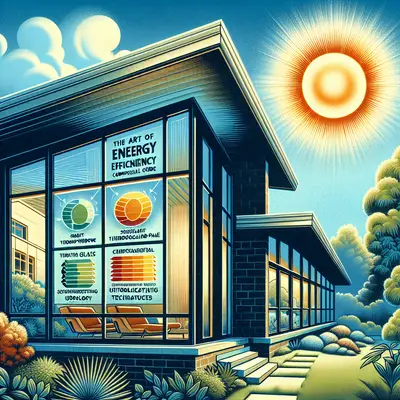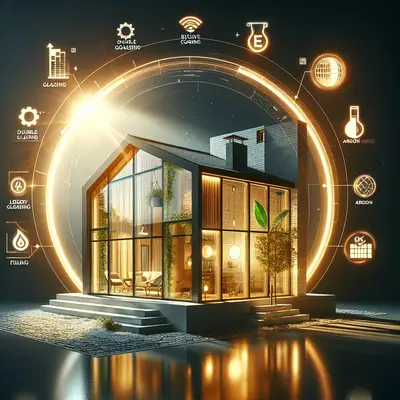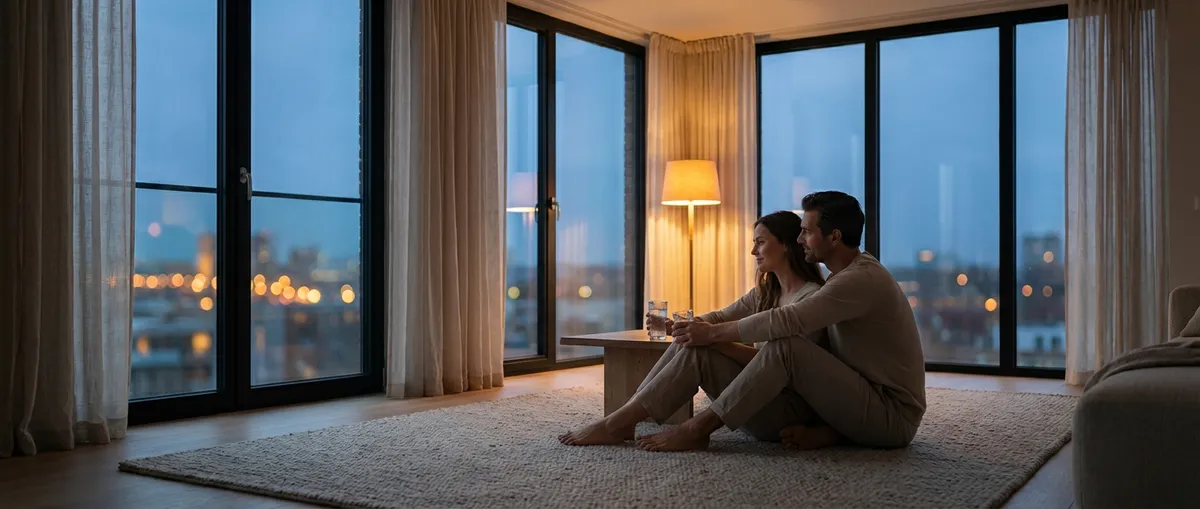
In a considered home, energy efficiency is less about visible gadgets and more about quiet performance—spaces that hold their temperature, soften exterior noise, and frame the outdoors with crystalline clarity. Windows sit at the center of this experience. Chosen well, they become discreet instruments of comfort, resilience, and long-term value. Chosen poorly, they become beautiful apertures that leak energy, money, and serenity. The difference lies in understanding the subtleties behind the glass, the frame, and the invisible layers between.
Below are five exclusive, often-overlooked insights that help transform window upgrades from a cosmetic refresh into a meaningful architectural refinement of your home’s energy profile.
Insight 1: Reading the “Thermal Signature” of a Window, Not Just Its Label
Energy labels—U-factor, Solar Heat Gain Coefficient (SHGC), visible transmittance—are indispensable, but they only tell part of the story. Sophisticated homeowners benefit from thinking of each window as a “thermal signature” tailored to its exact orientation, climate, and interior use.
On sun-exposed façades in warmer regions, a low SHGC paired with a moderate visible transmittance can temper heat gain while maintaining a luminous interior. In cooler climates, a lower U-factor becomes paramount, ensuring the interior pane remains closer to room temperature, reducing drafts and condensation risk along the sash and sill. The nuanced move is to avoid uniformity: your south-facing living room may demand different glass than a shaded north-facing bedroom or a tucked-away stairwell.
An energy-conscious spec sheet might include distinct glazing packages for each elevation, coordinated with shading, overhangs, and interior treatments. Rather than defaulting to a single “energy-efficient window,” treat the envelope as a curated collection—each unit fine-tuned to its microclimate around the home.
Insight 2: Gas Fills and Coatings as Invisible Architecture
Behind elegant glass surfaces lives an invisible architecture of gas fills and microscopic coatings that can dramatically reshape energy performance. High-performance windows typically use argon or krypton gas between panes, and low-emissivity (low‑e) coatings to manage radiant heat transfer. The art is not in simply checking the “low‑e” box, but in matching these choices to the home’s design intent.
Argon gas, more common and cost-effective, delivers excellent performance for standard double- and triple-pane units. Krypton, denser and more effective in narrower cavities, is especially relevant when slim profiles or heritage-style frames are desired without sacrificing insulation. Low‑e coatings, meanwhile, come in different formulations: some are tuned to admit passive solar heat (ideal for cold climates seeking winter gain), while others are engineered to deflect hot sun (critical in warm or mixed climates).
The premium approach is to view these technologies as design tools, not generic add-ons. Align the coating type, gas fill, and pane configuration with your home’s glazing strategy so that each window supports a deliberate balance between light, warmth, and protection from heat extremes.
Insight 3: Frame Materials as Long-Term Energy Partners, Not Just Aesthetic Choices
While glass receives most of the attention, the frame is the structural and thermal backbone of every window. It is also where long-term performance either quietly holds or gradually erodes. Material choice—wood, fiberglass, composite, aluminum-clad, or high-quality vinyl—has a profound effect on energy efficiency and durability.
Wood frames deliver natural insulation and a timeless profile, but demand careful finishing and maintenance to sustain their performance. Fiberglass and advanced composites stand out for stability: they expand and contract at rates similar to glass, helping maintain tight seals over decades and protecting against air and moisture infiltration. Aluminum, without a thermal break, is typically less efficient, but when thoughtfully engineered with insulating barriers or used as cladding over wood, it can bring refined lines and exceptional durability.
Beyond raw insulation values, superior frames resist warping, maintain compression seals, and prevent subtle gaps that accumulate energy losses. When considering frame options, ask how the material behaves after ten or twenty seasonal cycles of heat, cold, and humidity. A premium window is one that performs as quietly and effectively in its second decade as it did in its first.
Insight 4: Precision Sealing and the “Comfort Halo” Around Each Window
Energy efficiency is felt just as much as it is measured. The sensation of sitting near a window in winter without encountering a cold draft or temperature drop is the result of what might be called a “comfort halo”—the stable, pleasant microclimate surrounding the opening. This halo is created through a combination of high-performance glazing, insulated frames, and, crucially, meticulous air sealing.
While the glass and frame specifications are visible on a quote, the sealing details are often hidden in installation practices: foam insulation around the rough opening, continuous air barriers integrated with the building envelope, and quality weatherstripping that retains compression over time. Inferior sealing can make even a premium window feel underwhelming, with imperceptible gaps leading to temperature stratification, condensation, or subtle drafts.
For the energy-conscious homeowner, it is worth probing beyond the product brochure. Inquire about the sealing systems, the type of insulating materials used around the frames, and how the installer coordinates with the home’s existing air and vapor barriers. A well-sealed window does more than lower utility bills; it elevates everyday comfort and makes each space feel intentionally composed.
Insight 5: Integrating Smart Controls and Shading into the Energy Equation
Truly refined energy efficiency extends beyond the glass to embrace intelligent controls and shading strategies. Windows can be paired with automated shades, smart thermostats, and even dynamic glazing to respond to changing conditions throughout the day. Instead of a static barrier, the window becomes a managed interface between indoors and out.
Motorized shades integrated with light and temperature sensors can lower themselves during peak sun hours in summer, reducing cooling loads, then retract in winter to admit beneficial solar warmth. In especially exposed areas, electrochromic or “smart” glass can further temper glare and heat gain, preserving views while moderating the energy impact of large expanses of glass.
For homeowners investing seriously in elevated performance, coordinating window upgrades with a broader energy strategy can unlock additional value: smaller mechanical systems, more even temperatures from room to room, and a home that feels responsive rather than reactive. The result is not a home packed with conspicuous technology, but one where comfort and control feel effortless and elegantly concealed.
Conclusion
Energy-efficient windows are not simply products; they are refined instruments of architecture, comfort, and long-term financial stewardship. By looking past generic labels and engaging with the subtleties—tailored thermal signatures for each façade, thoughtful use of gas fills and coatings, frame materials chosen for endurance, rigor in sealing, and integration with smart shading—you move from a basic upgrade to a curated performance envelope for your home.
The most successful window projects are those where efficiency is not an afterthought, but a guiding principle expressed quietly in every detail. The reward is a home that feels consistently calm, temperate, and luminous—performing beautifully in every season, year after year.
Sources
- ENERGY STAR – Energy-Efficient Windows – U.S. EPA guidance on window performance metrics, climate-based recommendations, and labeling
- U.S. Department of Energy – Energy-Efficient Window Attachments – Explores how shades, blinds, and other attachments influence window energy performance
- Efficient Windows Collaborative (National Fenestration Rating Council) – In-depth explanations of U-factor, SHGC, frame materials, and climate-specific window selection
- Lawrence Berkeley National Laboratory – Windows and Daylighting – Research-based insights on advanced glazing, low-e coatings, gas fills, and dynamic glass technologies
- American Architectural Manufacturers Association (now FGIA) – Technical information on window materials, performance standards, and long-term durability considerations
Key Takeaway
The most important thing to remember from this article is that this information can change how you think about Energy Efficiency.