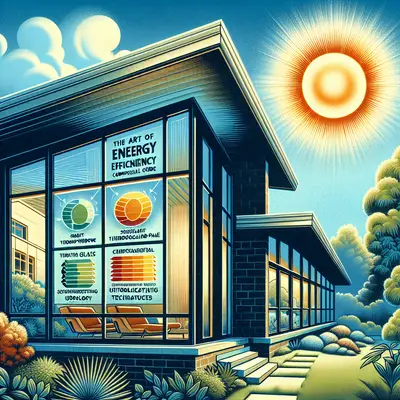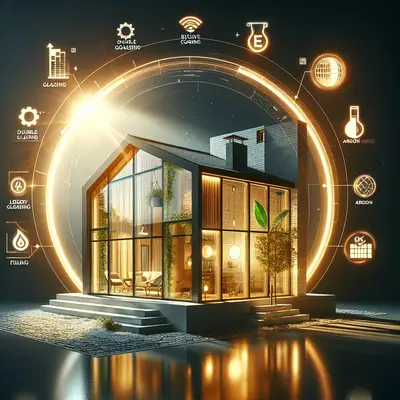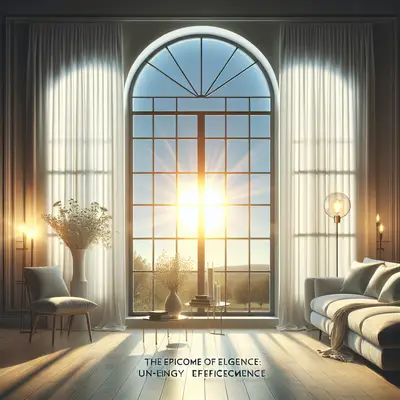
Energy efficiency is no longer a purely technical metric—it has become a quiet form of luxury. The most refined homes today are not merely beautiful to look at; they are meticulously calibrated to feel consistently comfortable, acoustically serene, and effortlessly economical. Windows sit at the heart of this transformation, controlling how light, temperature, and sound enter your space day after day.
For homeowners considering a window upgrade, true sophistication lies in understanding that not all “efficient” windows are created equal. The difference between a merely compliant product and a genuinely high‑performance solution is found in the details: the coatings you never see, the gases you never feel, and the installation details you rarely think about. The following insights are designed to help you move beyond marketing language and toward windows that perform—and age—with quiet excellence.
1. The New Status Symbol: Stable Indoor Comfort, Not Just Lower Bills
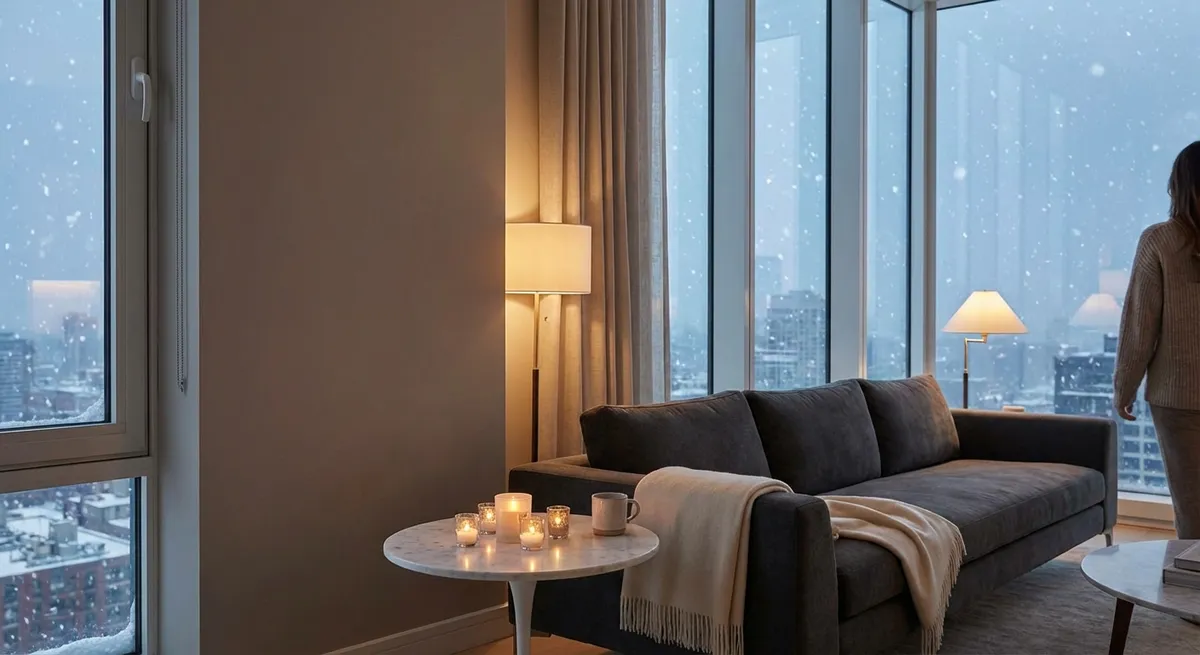
Luxury used to be measured in square footage and finishes; now it’s equally defined by how a home feels at 6 a.m. in January and 3 p.m. in August. High‑performance windows stabilize indoor comfort by dramatically reducing drafts, cold spots, and hot zones near glass. Instead of adjusting your position on the sofa to avoid a chilly pane or harsh glare, the room becomes uniformly pleasant, regardless of outdoor conditions.
From an energy standpoint, this stability means your HVAC system can operate at a gentler, more consistent pace rather than constantly compensating for heat loss and gain through inefficient glass. But the real value is experiential: window surfaces stay closer to room temperature, so you can place a reading chair by a large expanse of glass without feeling the winter at your back. Over time, this comfort continuity becomes a subtle yet unmistakable marker of a thoughtfully upgraded home—one that performs at a higher standard even when no one is looking.
2. Glass That Works Like a Tailored Suit, Not a One‑Size‑Fits‑All Jacket
The most underrated advantage of modern energy‑efficient windows is customization at the glass level. Rather than choosing a generic “efficient” option, discerning homeowners can fine‑tune glass packages the way one might select a custom suit fabric: chosen for climate, orientation, and how the space is actually used. Low‑E coatings, solar heat gain coefficients, and visible light transmission are more than technical jargon—they are the tools that shape how your interiors live and age.
For south‑ and west‑facing elevations, glass can be selected to tame harsh solar gain without sacrificing luminous natural light, protecting your art, flooring, and textiles from UV damage. On the north side, a different configuration might prioritize insulation over solar control. In colder climates, some coatings are chosen specifically to invite beneficial winter sun, while reflecting indoor heat back into the room. The result is a curated glass strategy, unique to your property, that quietly optimizes both comfort and longevity of your interiors.
3. The Frame Is the Silent Partner in True Thermal Performance
Discerning homeowners often focus on glass specifications and overlook the frame, yet the frame material can be the difference between respectable and exceptional performance. A beautifully coated, gas‑filled, double‑ or triple‑pane unit can be undermined by a poorly insulated, thermally leaky frame that acts as a conduit for heat transfer. In energy‑efficient design, the frame is not décor; it is a critical part of the thermal envelope.
High‑quality frames—enhanced vinyl, fiberglass, thermally broken aluminum, or composite systems—provide structural rigidity while minimizing conductivity. Fiberglass, for example, expands and contracts at rates similar to glass, helping maintain seals and performance over decades. Advanced composites can combine the warmth and aesthetic of traditional materials with modern insulation. When thoughtfully specified, these frames create a continuous barrier against outdoor temperatures, helping your windows perform not just in their first season, but in their fifteenth. The most elegant solutions are those in which frame and glass work together as a unified, engineered system rather than a collection of parts.
4. Precision Installation: Where Efficiency Is Either Secured or Lost
Even the finest window can underperform if it is not installed with surgical precision. Gaps around frames, poorly integrated flashing, and inadequate insulation at the perimeter can quietly compromise the energy performance you thought you were investing in. Energy efficiency is not only a product specification—it is a craft executed on site. This is where a premium approach truly differentiates itself.
A meticulous installer treats the interface between window and wall as a critical energy seam. Proper shimming prevents frame distortion, high‑quality sealants maintain airtightness over time, and carefully installed insulating foam or mineral wool at the cavity ensures that thermal breaks are continuous. The window must also be integrated seamlessly with your home’s water and air barriers, so performance remains intact through storms, temperature swings, and seasonal movement. When done correctly, you experience a home that is quieter, more temperate, and free from the subtle drafts and condensation that often hint at shortcuts hidden beneath the trim.
5. Designing for Tomorrow’s Energy Costs and Building Standards
Energy‑efficient windows are not only a response to today’s utility bills; they are an anticipatory investment in tomorrow’s standards and market expectations. As codes become more stringent and energy prices more volatile, homes with superior envelopes—especially at the window line—will stand apart in both operating costs and perceived value. Choosing windows that simply “meet code” may leave you behind the curve far sooner than you expect.
Forward‑thinking upgrades consider where efficiency benchmarks are headed, not merely where they stand today. Opting for advanced glazing, higher insulation values, and more robust air sealing creates a buffer against rising energy costs and evolving regulations. It also positions your property competitively in a resale market that increasingly rewards verifiable performance, not just visual appeal. In this way, the right windows function like a long‑term hedge: they quietly protect your comfort, your monthly expenses, and your home’s desirability for years into the future.
Conclusion
Energy‑efficient windows are not a single feature; they are a constellation of choices—glass, frame, installation, and strategy—aligned to create a quieter, more stable, and more refined living environment. When thoughtfully selected and expertly installed, they deliver a form of luxury that is felt more than seen: even temperatures, filtered light, hushed exterior noise, and a home that remains graciously comfortable in every season.
For homeowners ready to upgrade, the goal is not simply to “replace windows,” but to reimagine how the entire building envelope performs. At that level, energy efficiency becomes more than a technical specification; it becomes an atmosphere—one that elevates daily life while subtly, consistently, protecting your investment.
Key Takeaway
The most important thing to remember from this article is that this information can change how you think about Energy Efficiency.