Windows are not mere apertures in a wall; they are architectural signatures that define how a home receives light, frames views, and communicates taste. For homeowners considering an upgrade, the choice of window types is less about basic functionality and more about composing an experience—of daylight, privacy, comfort, and quiet luxury.
This refined guide explores how sophisticated window selections can elevate a home from well-appointed to truly exceptional, with five exclusive insights that discerning homeowners rarely hear in standard showroom conversations.
Reading the Architecture: Let Your Home’s Lines Choose the Window
Before comparing product lines or glass packages, step back and read your home’s architecture as a curator would.
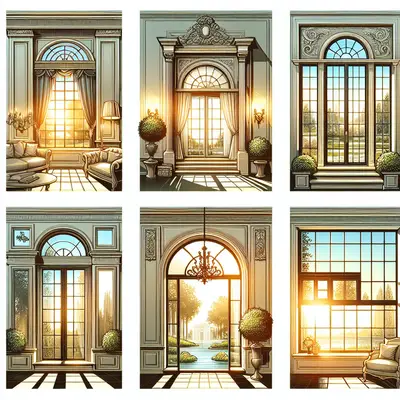
A traditionally detailed façade with strong vertical proportions often harmonizes with double-hung or elegant casement windows. By contrast, minimalist or contemporary homes tend to favor large, uninterrupted expanses—picture windows, slim-frame sliders, or fixed panes that emphasize horizontality and long sightlines.
Pay close attention to:
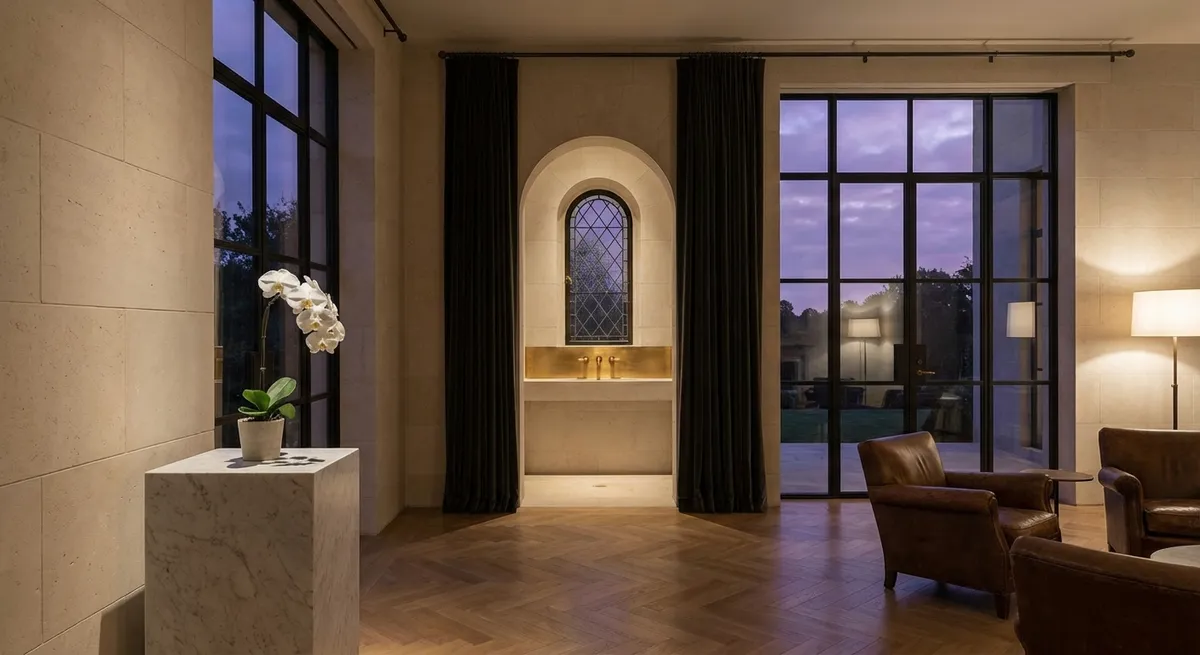
- Mullion rhythm – The spacing and thickness of mullions (the bars between panes) can either sharpen or soften the architecture. Thin, dark mullions create a gallery-like effect; thicker, painted ones suggest heritage and craftsmanship.
- Sill and head alignment – Windows that align cleanly across elevations create a sense of architectural discipline, especially visible from the street and in nighttime silhouettes.
- Relationship to doors – Folding or lift-and-slide doors pair beautifully with adjacent fixed panes, maintaining a single visual language of glazing across the rear façade.
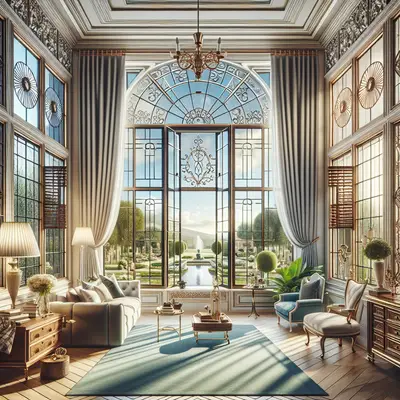
- Ceiling height and proportion – In tall rooms, consider windows that stretch upward rather than outward; in more intimate spaces, broader horizontal windows can ground the room and calm the composition.
When window types are selected as a continuation of the home’s existing lines—not in opposition to them—the entire property feels more cohesive, more intentional, and unmistakably bespoke.
Beyond the Showroom: Pairing Window Types Room by Room
Sophisticated homes rarely rely on a single window type throughout. Instead, they compose a considered ensemble, aligning each style with the room’s purpose and mood.
A refined approach might look like this:
- Living and entertaining spaces
Large picture windows or expansive fixed panels anchor key views, while adjacent casements or awning windows provide discreet ventilation. This allows the main vista to remain uninterrupted by sash lines or hardware.
- Kitchens and sculleries
Over a sink, an awning window that opens outward at the top keeps rain out and allows fresh air while cooking. Flank it with tall, narrow casements to create a vertical rhythm that feels tailored rather than utilitarian.
- Bedrooms and retreats
Operable casements or double-hung windows with sound-attenuating glass offer both quiet and airflow. Add clerestory windows high on the wall for gentle, private daylight that doesn’t compromise privacy or require heavy window treatments.
- Bathrooms and spa spaces
Frosted or textured awning windows, ideally placed higher in the wall, balance privacy with superior natural light. A slim horizontal band near the ceiling can feel distinctly architectural rather than merely functional.
- Stairwells and circulation areas
Tall, narrow fixed windows or stacked units can turn a stair into a luminous gallery. You’re not just lighting a passage; you’re staging a moment—ascending through layers of light and view.
Treat each room as a vignette, and let window types support how you want that space to feel and perform, rather than defaulting to a single style throughout.
Frame as Fine Detail: Material, Profile, and Presence
The quiet luxury of a window often lies in what you do not immediately notice—the thickness of the frame, the precision of the corners, the way hardware disappears into the profile.
Different frame materials offer distinct design personalities:
- Aluminum (especially thermally broken systems)
Preferred in many high-end contemporary projects for its slim sightlines and structural strength. It allows for expansive panes and minimal framing—ideal for those seeking art-gallery clarity in their views.
- Aluminum-clad or fiberglass-clad wood
A favored solution for premium homes marrying warmth indoors with low maintenance outside. The interior wood can be stained or painted to coordinate with millwork, while the exterior cladding offers durable, crisp lines.
- Fiberglass
Dimensionally stable and often available in refined, slender profiles. It works well in both modern and transitional settings and withstands temperature swings without warping.
- High-end composite or engineered materials
These can emulate the richness of wood with superior durability, especially in humid or coastal climates, while allowing more nuanced frame designs than standard vinyl.
Look beyond just material labels and examine:
- Profile depth and width – Thinner frames yield more glass and a more elevated aesthetic, particularly noticeable at corners and mullions.
- Corner craftsmanship – Clean, sharp, well-joined corners suggest a higher caliber of fabrication and contribute to a gallery-grade finish.
- Hardware integration – Concealed hinges, low-profile handles, and color-coordinated hardware help windows feel like part of the architecture, not accessories bolted onto it.
The result is a window that doesn’t simply fill an opening, but precisely articulates it—with the same attention one might give to bespoke cabinetry or custom metalwork.
Five Exclusive Insights Discerning Homeowners Quietly Value
These are the subtleties that rarely appear in mass-market brochures—but they significantly influence how a window lives over decades.
1. The “Light Signature” of Your Glass Matters as Much as Efficiency
Different low-E coatings shift the color temperature of incoming light—some cool and crisp, others warmer and softer. A home with art collections, richly textured fabrics, or warm woods may benefit from glass that preserves color accuracy and avoids a slightly gray or green cast. Ask to see full-size glass samples in real daylight before committing.
2. Operable Window Strategy Can Replace Visual Clutter Indoors
Thoughtful placement of a few large, well-positioned operable units often outperforms many small openers scattered around a room. This reduces interior hardware clutter and simplifies window treatments, while still providing excellent cross-ventilation when paired strategically across prevailing breezes.
3. Frame Depth Influences Your Interior Architecture
Deeper frames can create miniature ledges and recesses that become design features—perfect for subtle uplighting, artful objects, or simple shadow play. Shallow frames read more minimal and sleek; deeper ones read more architectural and substantial. This choice subtly shapes the character of your interior walls.
4. Acoustic Performance Is the New Quiet Luxury
For many upscale neighborhoods—near city centers, flight paths, or busy roads—sound-rated windows with laminated glass are as important as thermal performance. Double or triple glazing with specific pane thicknesses can dramatically reduce ambient noise, turning a busy location into a private sanctuary without resorting to heavy drapery.
5. Mixing Window Types Across Elevations Can Boost Perceived Scale
The street-facing façade might use more traditional double-hung or divided-light configurations to respect neighborhood context, while the private garden side can transition to expansive fixed and casement groupings. This dual personality allows the home to feel appropriately scaled and timeless from the exterior, yet open and resort-like from within.
These insights elevate the conversation beyond “What’s on sale?” to “What experience do I want this home to deliver every day?”
Designing for Life’s Moments: Views, Privacy, and Ritual
The most successful window schemes anticipate how you will actually live in the home—and how that may evolve.
Consider your daily rituals:
- Morning light – East-facing operable windows in a breakfast nook or primary suite can provide gentle, energizing light for the start of your day. Selecting window types that allow partial opening without drafts makes these moments more enjoyable.
- Evening unwind – Large picture or corner windows that frame a sunset or city skyline turn a simple lounge chair into a destination. Opting for fixed units here keeps lines clean and reflections minimal.
Privacy is another dimension where window type plays a discreet but crucial role:
- Layered privacy strategies – Use higher sill heights, clerestory windows, or frosted awnings in sensitive areas, so you rely less on heavy blinds or drapes. The architecture itself protects privacy.
- Context-aware transparency – On a second floor overlooking treetops, floor-to-ceiling fixed windows might feel serene and private; on a ground floor facing a sidewalk, the same setup could feel exposed. Select operable vs. fixed types based on how close human activity is to the glass.
Finally, think in terms of framed moments: a single tall casement capturing a cherished tree, a band of windows aligning with a distant ridge line, or a corner window dissolving the boundary between lounge and landscape. The choice of window type can turn these moments from accidental to extraordinary.
Conclusion
Selecting window types for an elevated home is less about ticking boxes in a product catalog and more about orchestrating light, view, comfort, and quiet elegance. By reading your architecture carefully, pairing window types to each room’s purpose, refining frame profiles as though they were fine millwork, and embracing subtle insights about glass, sound, proportion, and privacy, your fenestration becomes part of a larger, curated vision.
The result is not simply “new windows,” but a home that feels more composed, more serene, and more distinctly yours—every time you look out, and every time someone looks in.
Sources
- [U.S. Department of Energy – Energy-Efficient Window Types](https://www.energy.gov/energysaver/types-windows) – Overview of major window types and their performance characteristics
- [Efficient Windows Collaborative – Window Selection Guidance](https://www.efficientwindows.org/selection.php) – Technical guidance on choosing windows based on climate, orientation, and design goals
- [Lawrence Berkeley National Laboratory – Windows and Daylighting](https://windows.lbl.gov/) – Research on window performance, daylighting, and advanced glazing technologies
- [University of Minnesota – Window Selection and Design](https://extension.umn.edu/windows-and-doors/window-selection) – Educational resource on matching window types and materials to design and performance needs
- [Milgard – Sound Control Windows](https://www.milgard.com/learn/are-soundproof-windows-worth-it) – Practical discussion of acoustic performance and sound-reducing window strategies
Key Takeaway
The most important thing to remember from this article is that this information can change how you think about Window Types.