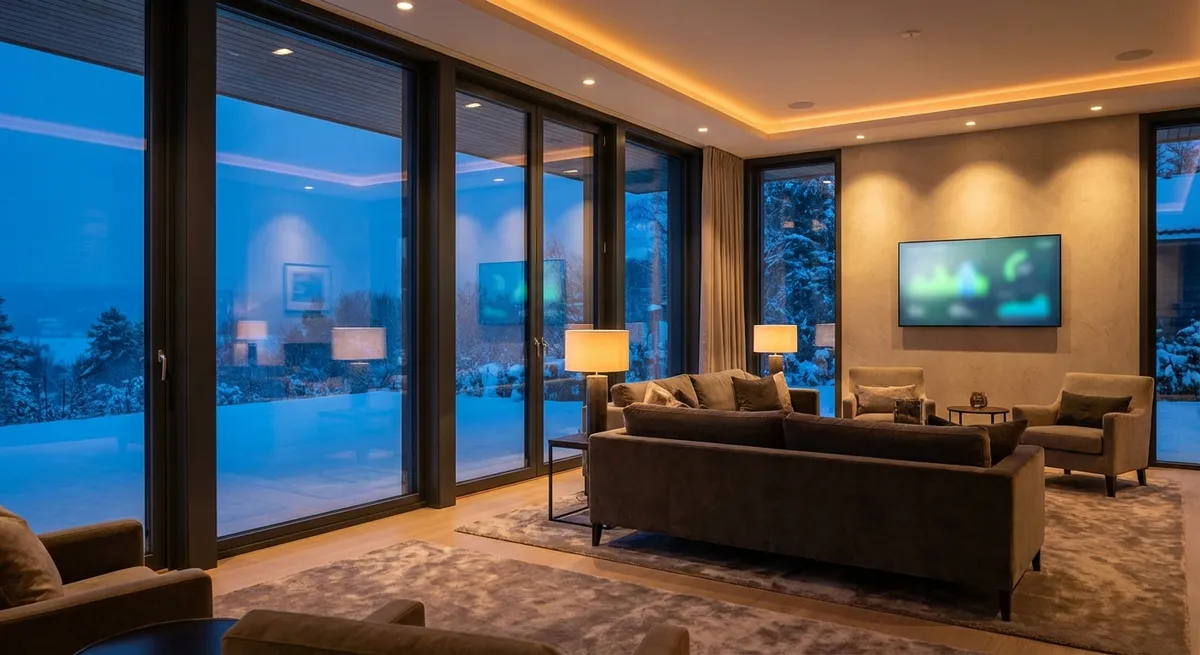
Energy efficiency is often discussed in terms of utility bills and payback periods. Yet for the discerning homeowner, high‑performance windows are about something more nuanced: a quieter home, a steadier indoor climate, and a sense of well‑considered comfort that feels almost architectural in its subtlety. When curated with care, upgraded windows become an invisible engine of efficiency—elevating both the experience of the space and the long‑term value of the residence.
Below are five exclusive, often‑overlooked insights that matter specifically to homeowners who expect more than just “new windows,” and who regard performance as a discreet form of luxury.
Energy Efficiency as an Ambient Experience, Not a Line Item
Most discussions of “efficient windows” begin and end with U‑factor or ENERGY STAR labels. Those metrics are essential, but they miss a more refined outcome: the way a space feels hour by hour.
A meticulously specified glazing package orchestrates temperature, light, and sound into a cohesive ambience. Instead of hot‑and‑cold zones across a room, you experience an even, gentle envelope—no drafty corners, no radiant chill from large glass expanses, no need to “avoid the window seats” in winter. High‑performance low‑E coatings reduce the radiant heat loss that often makes seating near glass uncomfortable, turning those previously avoided perimeters into the most coveted spots for reading and conversation.
Efficiency, in a premium context, is about these almost imperceptible shifts: blinds that stay open more often because glare is managed intelligently; textiles and artworks that age gracefully because UV exposure is minimized; HVAC systems cycling with poise rather than in abrupt, noisy bursts. The best window upgrades recast energy performance as a quiet, continuous background experience.
Glass as Climate Tuning: Matching Coatings to Orientation and Lifestyle
Not all low‑E glass is created equal, and a sophisticated project rarely applies a single glazing specification to every opening. Instead, the building envelope can be “tuned” with different glass packages based on solar orientation, climate region, and how each room is actually used.
South‑ and west‑facing façades in sunny climates often benefit from glass with a lower solar heat gain coefficient (SHGC), limiting unwanted heat while maintaining luminous clarity. North‑facing windows, by contrast, may intentionally use higher SHGC glazing to welcome more passive winter warmth. In colder regions, prioritizing a lower U‑factor (to reduce heat loss) often matters more than aggressively blocking solar gain, especially for rooms where winter sun is a cherished comfort.
This tuning can go further still for refined living:
- Entertaining spaces may lean toward spectrally selective coatings that maximize visible light while filtering infrared heat, so evening gatherings stay airy, not stuffy.
- Art or library rooms can be specified with enhanced UV reduction to protect delicate finishes and book bindings.
- Home offices may call for carefully calibrated visible light transmission to temper screen glare without creating a cave‑like atmosphere.
Thinking of glass as a climate‑tuning instrument—not just a transparent surface—unlocks an elevated level of energy efficiency that is both technical and experiential.
The Hidden Dialogue Between Windows and HVAC
For many luxury homes, the HVAC system was designed around what the old windows could (or could not) do. When you dramatically improve the thermal performance and air tightness of the glazing, you change that equation—often quite favorably, if you anticipate it correctly.
High‑performance windows reduce both peak heating and cooling loads, sometimes significantly. In practical terms, this can enable more modestly sized replacement equipment when the system is next upgraded, or allow existing systems to run at lower intensities and for shorter durations. Variable‑speed equipment, in particular, pairs beautifully with a well‑insulated, air‑tight envelope: it can operate in a quiet, low‑speed “whisper” mode for much of the day, maintaining an exquisitely stable indoor climate.
However, the reverse is also true: installing ultra‑tight windows without re‑evaluating ventilation strategy can unintentionally reduce fresh air exchange. Sophisticated projects treat the window upgrade and the mechanical system as parts of a single comfort ecosystem—taking the opportunity to introduce balanced ventilation, energy recovery ventilators (ERVs), or smart controls that align with the improved envelope.
The result is not just lower energy use, but a home that breathes intelligently: clear indoor air, gentle humidity control, and a sense of calm consistency that is impossible when the envelope and HVAC are working at cross‑purposes.
Acoustic Efficiency: The Overlooked Luxury Side Effect
Energy efficiency is typically framed in terms of heat, but the same strategies that tame temperature can also deliver an unexpectedly indulgent benefit: silence.
Double‑ and triple‑pane IGUs (insulating glass units), improved weatherstripping, and more robust frames all help to reduce sound transmission. When combined with specific acoustic laminates in the glass, the effect can be transformative—traffic, aircraft, and neighborhood noise recede into a muted, distant presence. For homes in vibrant urban settings or near active streets, this acoustic serenity can be as valuable as any reduction in energy bills.
From an efficiency perspective, the synergy is elegant:
- Tighter seals reduce both air leakage (improved energy performance) and the gaps that transmit high‑frequency noise.
- Heavier, laminated glass dampens vibration and can be paired with low‑E coatings for thermal control.
- Asymmetrical glazing configurations (different thicknesses for inner and outer panes) can be tuned for specific noise profiles while still meeting aggressive thermal targets.
This acoustic dimension is rarely highlighted on standard product brochures, yet for many refined homeowners, the sensation of closing a window and stepping into a hushed, composed interior may be the most compelling “efficiency upgrade” of all.
Material Nuance: Frames, Aesthetics, and Long‑Term Thermal Discipline
While glazing often takes center stage, the frame material quietly governs both performance and longevity. For premium projects, the question is not simply “wood vs. vinyl vs. aluminum,” but how each material can be engineered—or combined—to create a thermally disciplined frame that still satisfies architectural expectations.
- Aluminum‑clad wood offers a timeless interior finish with a durable, low‑maintenance exterior, but high‑end systems now incorporate thermal breaks and improved gaskets to address aluminum’s natural conductivity.
- Fiberglass frames exhibit dimensional stability and low thermal expansion, keeping seals tight over time and preserving performance through seasonal shifts.
- Engineered composites can deliver slim sightlines, excellent thermal resistance, and colorfast finishes that maintain a tailored exterior palette for decades.
Beyond the materials themselves, frame design details matter: deeper frame profiles that accommodate triple glazing, multi‑chambered extrusions that trap insulating air, and precisely machined corners that limit air leakage. These details rarely feature in marketing copy, yet they determine whether thermal performance is a fleeting specification or a 30‑year reality.
For the refined homeowner, this is where efficiency intersects with legacy. A carefully chosen frame system does more than hold glass—it preserves the architectural language of the façade while quietly maintaining thermal discipline through storms, sun, and seasons.
Conclusion
Energy‑efficient windows, at their highest expression, are less about ticking boxes on a specification sheet and more about curating a comprehensive sensory and performance experience. They regulate light with discernment, modulate climate with composure, soften the soundtrack of the outside world, and collaborate gracefully with the home’s mechanical systems.
For homeowners approaching window upgrades as an investment in both comfort and enduring value, these five insights—ambient experience, climate‑tuned glazing, mechanical synergy, acoustic serenity, and material nuance—offer a more elevated lens. When approached with this level of refinement, energy efficiency becomes an integral part of the home’s quiet luxury, felt every day but rarely seen.
Sources
- ENERGY STAR – Residential Windows, Doors and Skylights – U.S. EPA guidance on performance metrics (U‑factor, SHGC) and criteria for efficient windows
- U.S. Department of Energy – Energy‑Efficient Window Attachments & Glazing – In‑depth overview of window technologies, low‑E coatings, and orientation strategies
- Lawrence Berkeley National Laboratory – Windows & Daylighting Research – Research on advanced glazing, thermal performance, and integrated façade strategies
- Efficient Windows Collaborative (NFRC) – Comparative information on frame materials, climate‑specific recommendations, and labeling for high‑performance windows
- Centers for Disease Control and Prevention – Noise and Health – Background on noise exposure and health, relevant to understanding the wellness value of improved acoustic performance
Key Takeaway
The most important thing to remember from this article is that this information can change how you think about Energy Efficiency.