Energy efficiency is no longer a purely technical consideration; it is a quiet form of luxury. The most sophisticated homes now treat energy performance not as an afterthought, but as an integral design language—expressed subtly through glass, frame, and detail. Window upgrades sit at the center of this transformation, shaping how a residence feels, performs, and endures. Beyond basic “energy-saving” promises, the most discerning homeowners are looking for solutions that deliver comfort, composure, and long-term value with a sense of effortless elegance.
Below are five exclusive, rarely discussed insights that separate merely “better windows” from truly elevated, high-performance glazing choices.
Insight 1: Comfort Is the New Efficiency Metric
Most window conversations begin with utility bills; the most sophisticated ones begin with comfort. True energy performance is measured not only in kilowatt-hours saved, but in how consistently serene a room feels throughout the day and across the seasons.
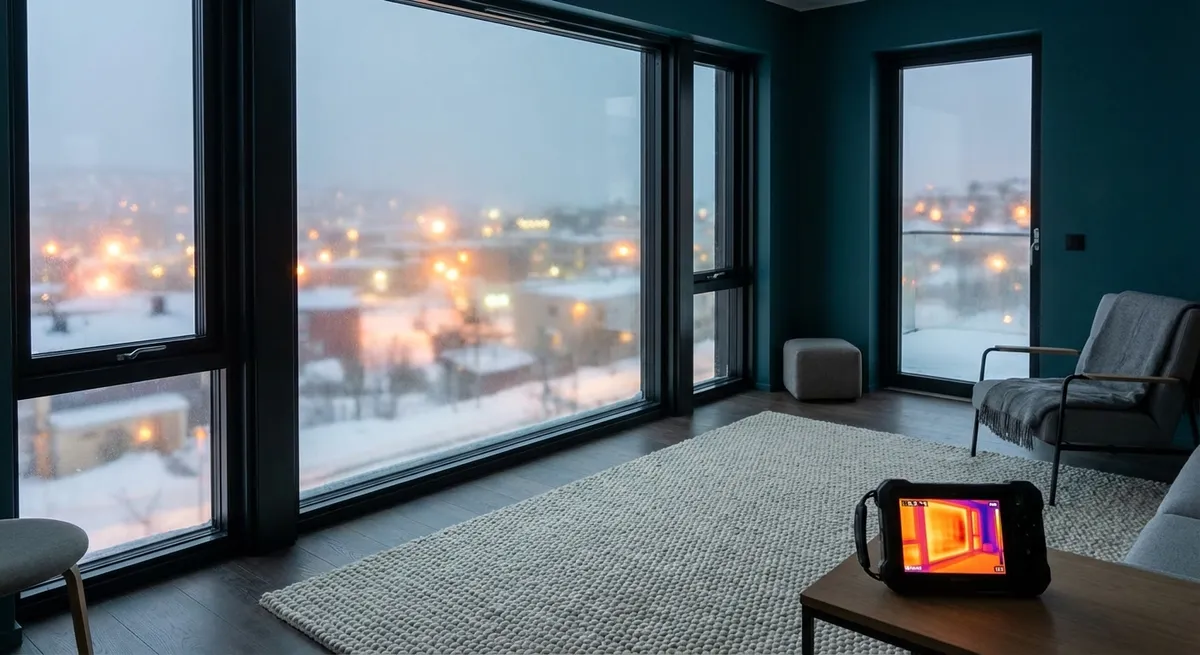
A high-end window specification should focus on reducing radiant temperature swings near the glass. Advanced low‑emissivity (low‑E) coatings, properly selected for your climate, allow you to sit beside a large window in winter without the sensation of cold radiating from the glass, and to enjoy expansive south- or west-facing glazing in summer without oppressive heat. This matters because human comfort is driven less by air temperature alone and more by the mean radiant temperature of surrounding surfaces.
By evaluating products through comfort indices—such as interior surface temperature at design conditions—rather than only U-factor and Solar Heat Gain Coefficient (SHGC), homeowners can curate a home that feels quietly stable: no drafts, no hot spots, no need to retreat from the window wall at certain hours of the day. The result is a home that invites you closer to the view instead of pushing you away from it.
Insight 2: Glass Specification Is a Bespoke Decision, Not a Default
Most window quotes treat glass as a standard component: double-pane, low‑E, argon-filled—end of story. In a refined energy strategy, glass is not a commodity; it is a bespoke specification tailored to orientation, climate, and lifestyle.
For north-facing elevations in cooler regions, a higher‑gain low‑E coating can gently harvest winter sunlight to reduce heating demands, while maintaining excellent insulation at night. On sun-exposed south and west façades in warm climates, select lower‑gain, spectrally selective coatings that filter infrared heat while allowing abundant visible light, preserving clarity and color fidelity in the landscape beyond.
Triple glazing, often assumed to be uniformly “better,” is more nuanced. It can dramatically improve insulation and acoustic calm, but its additional weight, cost, and slightly reduced visible light transmission must be orchestrated intelligently. A sophisticated design might reserve triple glazing for bedrooms and living areas where stillness is prioritized, while using advanced double glazing with tailored coatings in spaces where lightness and slender sightlines are paramount.
The most successful projects approach glass the way a tailor approaches fabric—matching the weave, weight, and finish to the specific context rather than accepting an all-purpose bolt from the shelf.
Insight 3: Frame Materials Quietly Dictate Real-World Performance
Energy efficiency conversations often linger on glass, but the frame is the architectural whisper that determines how the window truly behaves over decades. Certain frame materials offer superior thermal performance on paper, but the most elevated solutions consider stability, aesthetics, and longevity alongside insulation.
Thermally broken aluminum, for instance, pairs minimal sightlines with robust structural capacity and contemporary appeal. While aluminum is inherently conductive, high-end systems incorporate sophisticated thermal breaks and multi-chamber designs that significantly reduce heat transfer, bringing performance into contention with more traditionally “efficient” materials. This allows expansive glass areas with slender profiles that do not visually compete with the landscape.
Fiberglass frames provide excellent dimensional stability and low thermal expansion, preserving tight seals over time. Premium wood interiors, protected by aluminum or fiberglass cladding on the exterior, balance warmth and tactility indoors with durability outside. The key insight: the most efficient window is the one that maintains its alignment, weatherstripping contact, and glazing integrity for decades, not just the one with the most impressive laboratory rating on day one.
A refined specification harmonizes frame material, glass package, and architectural expression—so performance is felt but rarely noticed.
Insight 4: Daylight Strategy Is an Energy System, Not Just an Aesthetic Choice
Large windows are often justified as a purely aesthetic indulgence, yet when thoughtfully executed, they become a foundational energy strategy. Daylight, harnessed correctly, reduces reliance on electric lighting and stabilizes circadian rhythms, influencing wellbeing as much as wattage.
High-performance glazing with appropriate visible transmittance (VT) enables deeper daylight penetration without introducing excessive solar gain. A curated mix of taller, narrower windows in certain areas and wide, lower apertures in others can bounce light off ceilings and walls, softly illuminating spaces rather than spotlighting them. This allows dimmer switches and layered lighting to be used as fine-tuning tools rather than constant necessities.
Positioning and sizing windows to align with daily patterns—morning light in breakfast areas, controlled afternoon light in workspaces, softened evening light in living rooms—transforms energy efficiency into something experiential. Well-executed daylighting reduces the psychological tendency to overcool or overhear a space, as rooms feel more naturally balanced and less artificially lit.
When windows are planned as components of a daylighting system rather than as isolated features, energy savings emerge as a byproduct of a more gracious living experience.
Insight 5: Precision Installation and Air Sealing Are the Hidden Luxury
At the ultra-premium level, misaligned reveals or slight drafts are simply unacceptable. Yet in energy terms, it is often the invisible interface between window and wall that determines whether a high-performance product achieves its promised potential.
Fine-tuned air sealing, carefully layered flashing, and continuity with the wall’s insulation and air barrier can dramatically reduce uncontrolled infiltration. This eliminates the subtle but persistent discomfort of “mysterious cool spots” in winter or humid air ingress in summer. It also protects against condensation risks within the wall assembly, safeguarding finishes and structural components over time.
An elegant energy strategy treats installation details with the same seriousness as hardware selection or finish color. Specifying backer rods, high-quality sealants compatible with framing and cladding materials, and appropriate tapes or fluid-applied membranes is not simply technical minutiae; it is the difference between theoretical performance and a home that feels unwaveringly composed in every season.
The truest mark of luxury is when the homeowner never thinks about drafts, fogged panes, or seasonal adjustments. They simply experience a home that feels consistently poised, year after year.
Conclusion
Energy-efficient windows, at their most refined, are not about visible technology or conspicuous eco-statements. They are about orchestrating glass, frame, light, and detail so seamlessly that the home feels inherently calm—thermally balanced, visually generous, and acoustically composed. By focusing on comfort as the ultimate metric, treating glass as a bespoke element, curating frame materials with long-term stability in mind, using daylight as a quiet energy system, and insisting on precision installation, homeowners can move beyond generic upgrades into a realm of discreet yet substantial performance.
In this space, efficiency is not a compromise; it is an understated form of elegance—one you feel every time you approach the window and discover that the most luxurious feature of all is how effortlessly your home holds its composure.
Sources
- [ENERGY STAR – Residential Windows, Doors and Skylights](https://www.energystar.gov/products/building_products/residential_windows_doors_and_skylights) – U.S. EPA guidance on energy-efficient window criteria, ratings, and climate-specific recommendations.
- [U.S. Department of Energy – Energy-Efficient Window Attachments](https://www.energy.gov/energysaver/energy-efficient-window-attachments) – Explains how glazing, coatings, and attachments influence energy performance and comfort.
- [Efficient Windows Collaborative – Window Selection Guidance](https://www.efficientwindows.org/selection.php) – In-depth overview of U-factor, SHGC, visible transmittance, and climate-based window design decisions.
- [Lawrence Berkeley National Laboratory (LBNL) – Windows and Daylighting](https://windows.lbl.gov/) – Research-backed resources on window technologies, thermal performance, and daylighting strategies.
- [National Renewable Energy Laboratory (NREL) – Window Performance](https://www.nrel.gov/buildings/windows.html) – Technical insights into how advanced glazing and framing systems impact whole-building energy use.
Key Takeaway
The most important thing to remember from this article is that this information can change how you think about Energy Efficiency.