Energy efficiency is no longer a technical afterthought; it is a quiet expression of taste. For the discerning homeowner, windows are not merely apertures for light, but instruments that orchestrate comfort, acoustics, and thermal performance. The right upgrade does more than trim utility bills—it refines the way a home feels, sounds, and responds to the seasons.
Below, we explore how sophisticated window choices can transform energy use into an invisible luxury, and we highlight five exclusive insights that matter when “good enough” simply isn’t good enough.
Energy Efficiency as a Daily Luxury, Not Just a Metric
For many homeowners, efficiency is framed in kilowatt-hours and cost savings. For a more elevated perspective, the conversation begins with experience: how the home holds its temperature, how evenly sunlight is diffused across a room, how still and quiet the interior remains on a windy winter night.
High-performance windows serve as a thermal envelope and a sensory filter. They moderate temperature swings so subtly that thermostat adjustments become rare. They reduce drafts that can make even a beautifully designed room feel unsettled. They quiet exterior noise, allowing architectural details, curated furnishings, and soft textiles to take center stage without interruption. In this sense, energy-efficient windows are less about compliance with a standard and more about achieving a seamless, composed interior environment.
Understanding the Subtleties: Beyond U‑Factor and Solar Heat Gain
Most discussions of window efficiency focus on U‑factor (insulating value) and Solar Heat Gain Coefficient (SHGC). These are essential metrics, but they are only the opening chapter of a more nuanced story.
Advanced glazing packages now combine multiple low‑emissivity (low‑E) coatings, inert gas fills (argon or krypton), and warm-edge spacers designed to minimize heat transfer at the glass perimeter—the most vulnerable part of the unit. The sophistication lies in the calibration: a window on a south-facing elevation in a cold climate may benefit from a slightly higher SHGC to admit winter warmth, while west-facing glass in a hot, sunny region may call for a more aggressive solar control coating.
For a premium result, homeowners should treat U‑factor and SHGC as a starting point, then work with a professional who can tune glass specifications to orientation, local climate, and lifestyle (for example, how often shades are drawn, how much direct sun is welcome, and which rooms are occupied at what times of day).
Five Exclusive Insights for the Energy‑Focused, Design‑Driven Homeowner
These are not basic tips; they are refined considerations that separate adequate upgrades from truly exceptional window solutions.
1. Thermal Comfort Is a Surface Phenomenon, Not Just an Air Temperature
Most people describe comfort by the thermostat reading, but the body also responds strongly to the temperature of nearby surfaces—especially large glass areas. Even if the room air is 70°F, a cold window surface can create a sensation of chill and prompt over‑heating the space.
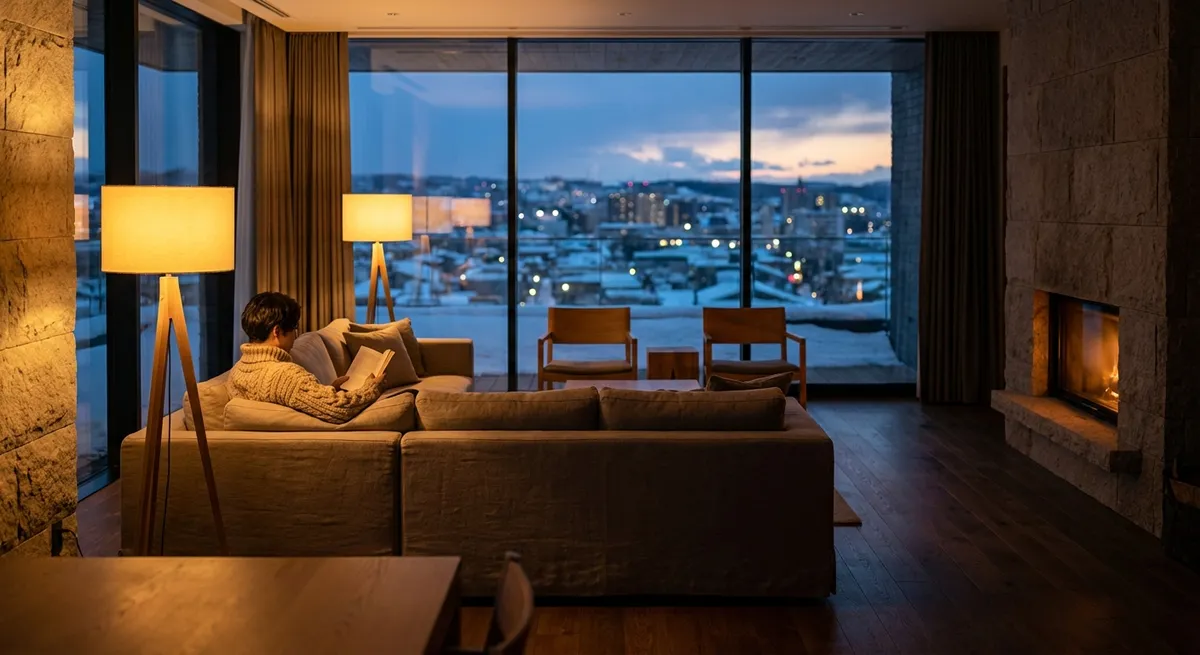
High‑performance triple-pane glass with appropriate coatings can substantially warm the interior glass surface in winter, narrowing the gap between air and surface temperature. The effect is subtle but transformative: seating near a window becomes a pleasure year‑round, and design decisions—such as placing a reading nook beside a large picture window—are liberated from concerns about drafts or radiant cold. This surface comfort is one of the most understated luxuries of a well-spec’d window package.
2. Frame Material Choice Quietly Shapes Long‑Term Efficiency
Glass performance often steals the spotlight, but the frame is the silent partner in efficiency. Poorly chosen frames can undermine even the most advanced glazing.
- Fiberglass and high-end composite frames offer excellent dimensional stability and insulation, with minimal expansion and contraction. This preserves the integrity of seals over time, sustaining efficiency.
- Engineered wood with aluminum cladding can provide a warm, tactile interior surface with a durable, low‑maintenance exterior. When matched with thermal breaks in the cladding, the result can be both elegant and efficient.
- Thermally broken aluminum systems, common in high-end modern architecture, can deliver slim sightlines while significantly reducing conductive heat loss compared to standard aluminum frames.
The insight: treat the frame as part of the thermal system, not merely a visual border. Ask specifically about frame conductivity, thermal breaks, and long‑term seal performance when evaluating premium options.
3. Orientation‑Specific Glazing Is the Mark of a Thoughtful Upgrade
Uniform glazing across an entire home is convenient, but rarely optimal. A refined strategy assigns performance profiles by orientation and function.
- North-facing windows often benefit from emphasis on insulation, as they receive little direct solar heat.
- South-facing windows in cooler climates may leverage modestly higher SHGC glass to harvest winter sun, especially in spaces used during the day.
- East and west elevations are typically where more robust solar control coatings pay dividends, taming low-angle morning and afternoon glare and heat.
By mixing glazing types—within the same aesthetic family—homeowners can create a façade that is visually cohesive yet thermally tailored. This quiet customization can reduce peak cooling loads, stabilize interior temperatures, and create rooms that feel naturally balanced throughout the day.
4. Airtightness and Detailing Rival Glass Specs in Real‑World Performance
It is easy to focus on the window unit itself while overlooking its integration into the wall. Yet air leakage around the perimeter can erase much of the benefit of advanced glazing.
High-caliber installations focus on:
- Air sealing at the rough opening, using tapes, membranes, and compatible sealants to create a continuous barrier between window and wall.
- Proper sill pan systems, which manage incidental moisture and protect insulation from dampness that can degrade its performance.
- Careful alignment with existing air and vapor control layers in the wall assembly, ensuring that the window is not an isolated high-tech piece but part of a continuous envelope strategy.
For a sophisticated project, homeowners should ask how the installer will test or verify airtightness (such as through blower door testing) and how the window detailing coordinates with the home’s overall building envelope design. Energy efficiency, at this level, is a crafted outcome, not an accident.
5. Dynamic Shading and Smart Controls Unlock the Full Potential of High‑Performance Windows
The most advanced windows still interact with a variable outside world—shifting sun angles, changing seasons, and evolving daily routines. Layering thoughtful shading and intelligent controls over high-performance glazing allows homeowners to fine‑tune comfort and efficiency in real time.
- Exterior shading devices (architectural overhangs, brise‑soleil, or exterior blinds) stop solar heat before it reaches the glass, particularly powerful on west elevations.
- Automated interior shades can respond to solar sensors or schedules, shielding spaces at peak heat hours while retracting to showcase views when the sun softens.
- Integration with smart thermostats enables a holistic response: shades, HVAC, and ventilation systems can coordinate to minimize energy use while maintaining a narrow, comfortable temperature band.
This layered strategy turns windows into active participants in the home’s energy story, rather than passive openings. For the homeowner who values both performance and poise, it is the difference between simple efficiency and orchestrated environmental control.
Choosing a Window Strategy That Matches Your Standards
Ultimately, energy-efficient windows should never feel like a compromise or a hidden technical layer. In a refined home, they should be as deliberate as a custom millwork detail or a carefully selected stone surface. The most successful upgrades balance three intertwined priorities: measurable performance, aesthetic integrity, and experiential quality.
By looking beyond basic efficiency labels, considering orientation-specific glazing, elevating frame and installation quality, and embracing dynamic shading, homeowners can create an envelope that quietly performs at a very high level—season after season.
The reward is not just a leaner utility statement. It is a home that holds its composure: thermally even, acoustically calm, visually generous, and ready to frame the way you live now and in the years ahead.
Sources
- [U.S. Department of Energy – Energy-Efficient Windows](https://www.energy.gov/energysaver/design/energy-efficient-windows) – Overview of window performance metrics, glazing options, and design considerations for efficiency
- [Efficient Windows Collaborative (National Renewable Energy Laboratory)](https://www.efficientwindows.org/selection.cfm) – Detailed guidance on selecting windows by climate, orientation, and performance criteria
- [Lawrence Berkeley National Laboratory – Windows and Daylighting Research](https://windows.lbl.gov/) – Research on advanced glazing, low‑E coatings, and dynamic façade technologies
- [National Fenestration Rating Council (NFRC)](https://www.nfrc.org/energy-performance-labels/) – Explanation of window energy performance labels, including U‑factor and SHGC
- [ENERGY STAR – Residential Windows, Doors and Skylights](https://www.energystar.gov/products/residential_windows_doors_and_skylights) – Federal program outlining qualification criteria and climate-specific recommendations for high-performance windows
Key Takeaway
The most important thing to remember from this article is that this information can change how you think about Energy Efficiency.