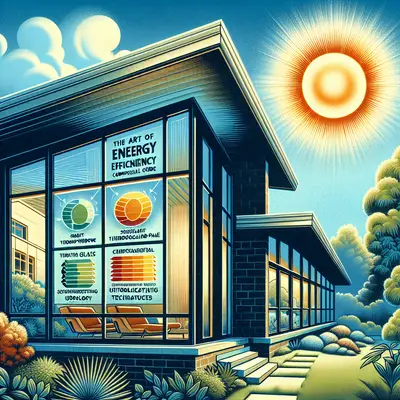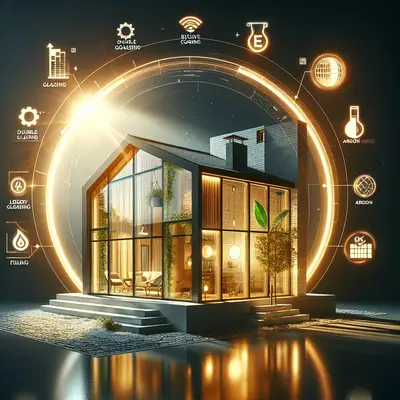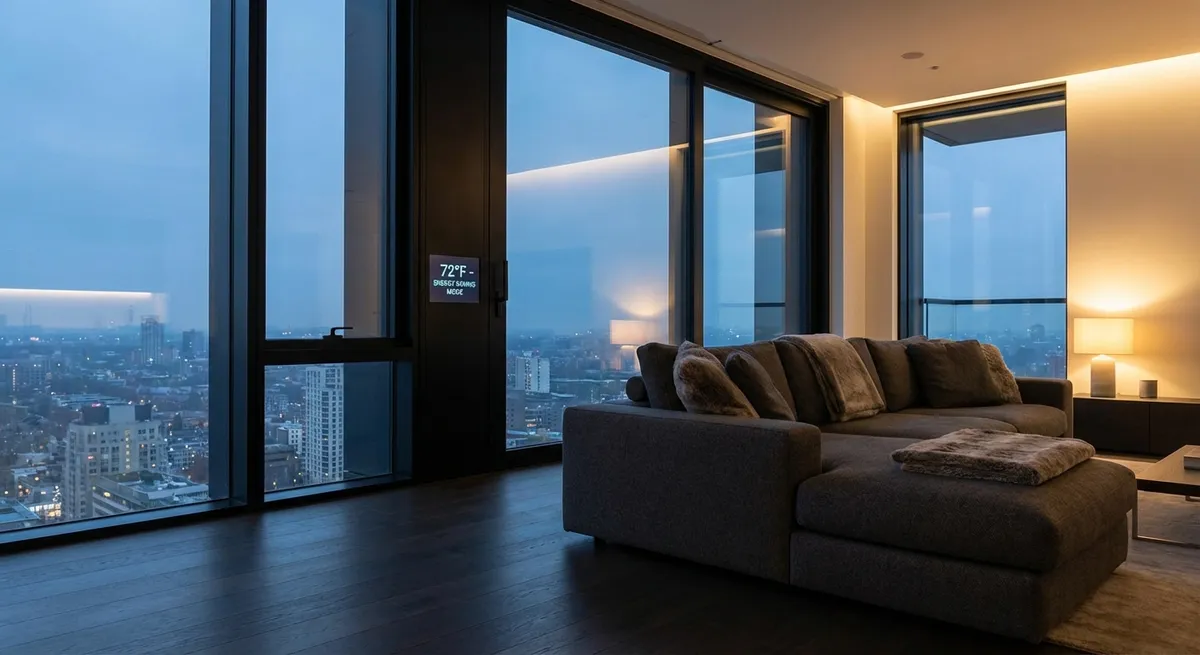
Windows are often treated as decorative afterthoughts—framing views, softening light, flattering architecture. Yet in a well-composed home, they are also precision instruments: regulating temperature, controlling light, and orchestrating comfort with quiet, continuous efficiency. For homeowners who expect more than generic double panes and off-the-shelf frames, the window becomes a discreet engine of performance—subtle in presence, powerful in effect.
This guide explores how thoughtfully specified windows can refine your home’s energy profile without compromising aesthetics. Beyond the obvious “upgrade to better glass,” you’ll find five exclusive, under-discussed insights that sophisticated homeowners and design-forward renovators will appreciate.
Reframing Efficiency: Windows as a High-Performance System
Energy-efficient windows are not a single feature; they are a layered system where frame, glass, coatings, gas fills, seals, and installation interact. Treating any one element in isolation—selecting the “best” glass, for example, without regard for frame material or orientation—risks an expensive mismatch.
True performance begins with understanding your climate and your home’s architecture. In colder regions, you may prioritize heat retention (high insulation, strategic solar gain), while warmer climates call for aggressive solar control and ventilation strategies. Yet many luxury homes now demand a hybrid approach: performance that flexes across seasons, time of day, and even specific rooms—like a south-facing salon versus a shaded primary suite.
Rather than asking, “What’s the best efficiency rating?” the more intelligent question becomes, “What combination of properties serves this façade, this room, and this lifestyle?” Once you view windows as a calibrated ensemble rather than a commodity, the path to meaningful, enduring energy gains becomes far more precise.
Exclusive Insight 1: Spectrally Selective Glass as a Design Tool
Most homeowners know about low‑E (low-emissivity) coatings; far fewer understand spectrally selective glazing—advanced coatings designed to filter sunlight with surgical precision. These coatings distinguish between visible light and invisible solar heat, admitting generous daylight while deflecting a significant portion of infrared energy that causes overheating.
For refined interiors, this matters in three distinct ways:
- More daylight, less glare – High-end glazing can maintain a luminous interior without the harsh brightness that demands constant shades or drapery.
- Cooler glass surfaces – By limiting heat absorption, interior glass stays closer to room temperature, improving thermal comfort even when you’re seated right beside expansive panes.
- Curated mood by orientation – You might choose a more aggressive solar-control coating for west-facing rooms prone to afternoon heat, while preserving a softer, higher-light glass on northern or garden-facing elevations.
This is where energy efficiency and ambiance intersect. Rather than settling for a single glass type for the entire home, a curated palette of spectrally selective options—specified façade by façade—can simultaneously elevate comfort, cut cooling loads, and preserve the nuanced light quality that defines a premium interior.
Exclusive Insight 2: Frame Material Is an Architectural Performance Choice
Frames are often reduced to simple aesthetics—wood for warmth, aluminum for minimal sightlines, vinyl for budget. Yet in an elevated project, frame selection is an architectural performance decision that profoundly shapes energy behavior.
Consider the thermal characteristics:
- Wood and fiberglass naturally insulate, helping maintain stable interior temperatures and reducing condensation risk, especially in colder climates.
- Thermally broken aluminum allows for razor-thin profiles and large expanses of glass, but only when engineered with robust thermal breaks and high-performance spacers to avoid acting as a heat bridge.
- Composite and clad systems combine a rich interior finish (often wood) with a durable, low‑maintenance exterior (aluminum or fiberglass), offering both tactile luxury and long-term efficiency.
The refined approach is to choose frames by elevation and exposure, not by catalog habit. Highly exposed façades may justify deeper, better-insulated profiles, while sheltered courtyard-facing windows can emphasize minimalism and ultra-slim frames without sacrificing comfort. Matching frame material, wall insulation, and glazing performance turns every opening into a coherent part of the building envelope—rather than a decorative afterthought that quietly leaks energy.
Exclusive Insight 3: Invisible Comfort—Surface Temperature as the True Luxury
Many energy discussions revolve around utility bills. Yet for discerning homeowners, the more meaningful metric is comfort—particularly how a room feels at its edges. One of the most overlooked markers of window quality is interior glass surface temperature.
In winter, poorly insulated glass can be several degrees colder than the room air, creating a subtle but persistent discomfort: drafts, cold “radiation” from the glass, and the instinct to pull the chair away from the window. High-performance triple glazing, advanced low‑E coatings, and insulated frames raise interior glass temperatures closer to the room setpoint. The result:
- Sitting beside a floor-to-ceiling window in January feels as comfortable as sitting in the center of the room.
- Condensation on frames and glass is significantly reduced, protecting finishes and maintaining clarity.
- Radiators and HVAC systems don’t need to overcompensate for cold spots near the façade.
In warm climates, similar principles apply in reverse: glazing and frames that resist heat gain maintain more even, stable interior temperatures without hot zones near sun-exposed glass. In essence, energy-efficient windows transform the perimeter of your home from a compromise zone into prime seating—quietly redefining what “livable” means.
Exclusive Insight 4: Orientation-Specific Glazing as a Strategic Advantage
Most window packages are specified as if every façade faces the same sun. The sophisticated alternative is orientation-specific glazing—tailoring glass properties to each exposure to harmonize light, heat, and privacy.
For a thoughtfully designed home, that might look like:
- South-facing façades (in cooler climates): Glass that welcomes controlled solar gain in winter while moderating it in summer, often paired with architectural shading.
- West façades: Stronger solar-control coatings to tame late-afternoon heat and glare, particularly valuable in living areas and home offices.
- North façades: Higher visible light transmission for beautifully diffuse daylight, even on overcast days, with less concern about heat gain.
- Street-facing elevations: Glass with slightly lower exterior reflectance and optional acoustic enhancements, preserving privacy and serenity without blackout shades.
This micro-targeted approach refines both energy performance and daily experience. Your kitchen’s morning light becomes bright but not blinding. A reading nook remains temperate at 4 p.m. in August. Lighting, shading, and HVAC demands all decline—not only because the glass is efficient, but because it’s intelligently matched to the path of the sun and the rhythms of the household.
Exclusive Insight 5: Energy Performance Beyond the Frame—Installation and Air Tightness
Even the most advanced window becomes ordinary if installed indifferently. Air leakage, thermal bridging around the frame, and poorly integrated flashing can quietly erode performance, sometimes by as much as negating the jump from standard to premium glazing.
For elevated projects, pay particular attention to:
- Comprehensive air sealing around the perimeter of each unit, using high-quality tapes, membranes, and low-expansion foams designed for building-envelope applications.
- Continuous insulation alignment, ensuring that the insulation layer in the wall aligns with, or properly overlaps, the insulated frame to avoid cold or hot “stripes” at the opening.
- Sill and flashing design that manages water away from the structure, preserving not just the window, but the durability of the envelope itself.
- Commissioning and testing, such as blower-door testing after installation, to confirm that the theoretical efficiency of the window package is actually realized in practice.
In a premium home, the true luxury is not just the beauty of the frame, but the quiet certainty that every window is performing like a precision instrument—airtight, stable, and predictable across seasons.
Conclusion
Energy-efficient windows are not merely a technical upgrade; they are an architectural refinement that reshapes how your home feels, functions, and ages. When glazing, frames, orientation, and installation are approached as a coordinated strategy, windows transcend their traditional role as simple openings and become a disciplined, high-performance interface between you and the outdoors.
For homeowners who demand more than generic efficiency labels, the most rewarding investments lie in nuance: spectrally selective coatings tuned to each façade, frame materials chosen as both thermal and aesthetic elements, surface temperatures calibrated for comfort, and installations executed with the same rigor as fine millwork. The result is a home that is quieter, more stable, more luminous—and discreetly, undeniably efficient.
Sources
- U.S. Department of Energy – Energy Efficient Windows - Overview of window technologies, frame and glazing options, and efficiency considerations by climate
- Efficient Windows Collaborative – Window Selection Guidance - Detailed guidance on choosing windows by orientation, climate, and performance ratings
- Lawrence Berkeley National Laboratory – Low-E Window Films and Coatings - Technical information on low‑E and spectrally selective glazing technologies
- U.S. Environmental Protection Agency – ENERGY STAR Windows, Doors, and Skylights - Criteria and climate-specific performance guidelines for certified high-efficiency products
- Building Science Corporation – High Performance Enclosures - Building-envelope best practices, including window integration, air sealing, and thermal bridging considerations
Key Takeaway
The most important thing to remember from this article is that this information can change how you think about Energy Efficiency.