Energy efficiency is no longer a purely technical consideration; for the design-conscious homeowner, it is a quiet expression of taste. The right window upgrade does more than lower utility bills—it fine-tunes light, silence, and thermal comfort into a seamless, luxurious experience. When executed thoughtfully, energy-efficient windows become an invisible infrastructure of ease, allowing your home to feel consistently composed in every season.
Below are five exclusive, often-overlooked insights that sophisticated homeowners should understand before commissioning their next window upgrade.
1. Energy Performance Labels Are a Language of Precision, Not Marketing
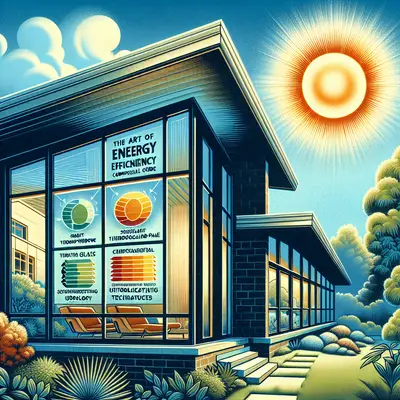
Many homeowners treat energy performance labels as vague endorsements rather than precise instruments. In reality, ratings such as U-factor, Solar Heat Gain Coefficient (SHGC), and Visible Transmittance (VT) function like the vital signs of your window system.
A lower U-factor indicates better insulation, which is essential in colder climates where heat retention is paramount. SHGC, by contrast, measures how much solar radiation passes through the glass—a critical factor in sunny regions where overheating is a concern. VT reveals how much natural light your windows admit, shaping the atmosphere of your rooms throughout the day.
The refined approach is to read these ratings as a coordinated suite, not in isolation. For example, a northern home might prioritize a low U-factor and moderate SHGC to retain heat while capturing passive solar gain, while a sun-drenched southern home may specify very low SHGC to keep interiors cool without retreating behind heavy drapery. An informed selection of ratings tailored to both climate and architecture transforms your windows from generic openings into climate-responsive instruments.
2. Glass Is Only Half the Story: Frames and Spacers Decide the Finish
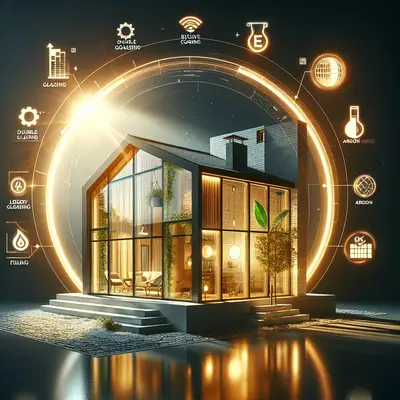
Much of the conversation around energy-efficient windows fixates on glazing: double vs. triple, low-e coatings, gas fills. Yet the performance—and aesthetic longevity—of a high-end window is profoundly influenced by its frame and spacer technologies.
Thermally broken aluminum, fiberglass, and high-quality composite frames can deliver sleek profiles while significantly lowering heat transfer compared to standard metal or poorly insulated vinyl. For traditional or transitional homes, engineered wood or wood-clad frames balance tactile warmth with improved durability and efficiency, avoiding the warping and drafts that plague older, single-pane wood windows.
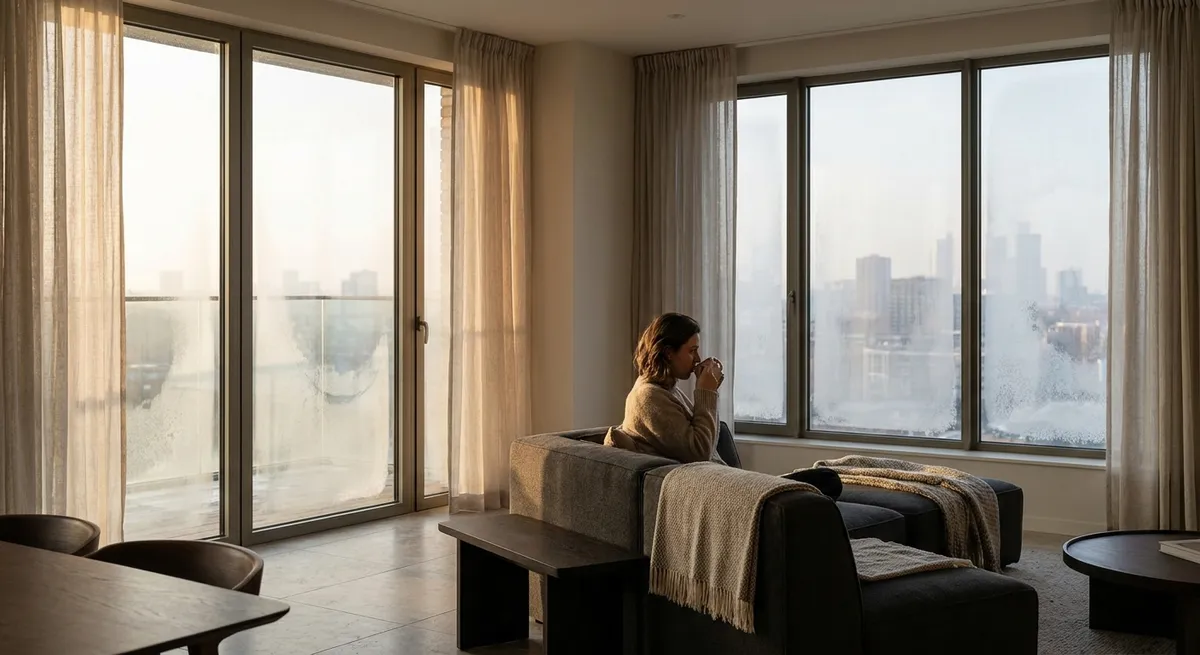
Equally important, warm-edge spacers—the slim components that separate panes of glass—reduce heat loss and condensation at the glass perimeter. This detail is rarely discussed in showrooms, yet it can mean the difference between crisp, clear glass on winter mornings or subtle fogging and long-term seal degradation. The discerning homeowner treats these hidden components as part of the window’s couture: unseen, but unmistakably felt in comfort and performance.
3. Daylight Is a Resource: Curating Light to Reduce Energy Use
Energy efficiency is often framed around heating and cooling, but sophisticated window design leverages daylight as a quiet energy source. High-performance glazing can be selected to admit generous natural light (high VT) while limiting unwanted heat gain, allowing homeowners to rely less on artificial lighting without sacrificing thermal comfort.
Strategic placement, coupled with the right glass specification, reduces the need for overhead fixtures during most of the day. North-facing windows, for instance, can elegantly bathe interiors in soft, consistent light with minimal thermal penalty, while east and west exposures may require more considered SHGC values or selective coatings to prevent harsh glare and overheating.
The refinement lies in balancing light quality with efficiency. Anti-reflective or spectrally selective coatings can preserve the true color of interiors while mitigating UV damage to art, flooring, and textiles. In this way, an energy-efficient window is not merely a barrier; it becomes a sophisticated lens, shaping how your home receives and interprets natural light.
4. Acoustics and Efficiency Are Intertwined—When Specified Correctly
Noise control is typically discussed separately from energy performance, yet advanced window systems can elegantly serve both functions. Multi-pane configurations, laminated glass, and asymmetrical glazing (where the panes differ in thickness) not only dampen exterior noise but also enhance thermal performance when correctly engineered.
Laminated glass incorporates an interlayer that softens sound transmission and improves security, while still accommodating low-e coatings and gas fills. In urban or high-traffic environments, specifying windows that address both sound and energy can transform the interior from merely insulated to profoundly tranquil.
The key insight is that not all “double-pane” windows are equivalent. The spacing between panes, gas type, glass thickness, and frame assembly all influence sound and thermal performance. A premium, energy-efficient window should be tuned, almost like an instrument, to the particular soundtrack of your neighborhood—whether that’s city streets, flight paths, or a busy waterfront.
5. Future-Proofing: Choosing Windows that Align with Emerging Standards
Regulatory and market expectations around energy performance are tightening. Homes that align with advanced efficiency standards today will be better positioned for resale value, resilience, and long-term operating costs.
Specifications that meet or exceed Energy Star criteria or local building codes today may be considered baseline within a decade. Investing in windows with superior U-factors, advanced coatings, and robust frame technologies effectively “locks in” performance that will continue to feel current as the energy landscape evolves. For homeowners contemplating solar, electrification, or smart home integrations, high-performance windows serve as an essential foundation—reducing overall demand and making every subsequent upgrade more impactful.
Forward-thinking manufacturers now publish detailed performance data and sometimes compatibility information with airtight building practices or high-performance envelopes (such as Passive House-inspired designs). Selecting window systems from brands that clearly document and test their efficiency signals a commitment not only to comfort today, but to an architecture that remains relevant as expectations rise.
Conclusion
Energy-efficient windows are often marketed as utilitarian upgrades, yet for the discerning homeowner they represent something more nuanced: the artful calibration of comfort, silence, light, and longevity. By reading performance labels as a language of precision, valuing frame and spacer technology, treating daylight as a curated resource, aligning acoustics with thermal performance, and future-proofing against evolving standards, you move beyond basic efficiency into a realm of quietly elevated living.
The most successful window upgrades are not the ones you constantly notice, but the ones you simply live within—spaces that remain temperate, serene, and beautifully illuminated, regardless of the season outside.
Sources
- ENERGY STAR – Windows, Doors, and Skylights - U.S. EPA overview of performance ratings, climate zones, and efficiency criteria for residential windows
- U.S. Department of Energy – Energy-Efficient Windows - In-depth guidance on window components, glazing options, and strategies for improving home efficiency
- Efficient Windows Collaborative (National Fenestration Rating Council) - Detailed explanations of U-factor, SHGC, and other performance metrics, plus climate-specific selection advice
- Lawrence Berkeley National Laboratory – Windows and Daylighting - Research and technical resources on advanced glazing, daylighting, and building energy performance
- Passive House Institute US (PHIUS) – High-Performance Windows - Discussion of window performance in ultra-efficient building envelopes and emerging best practices
Key Takeaway
The most important thing to remember from this article is that this information can change how you think about Energy Efficiency.