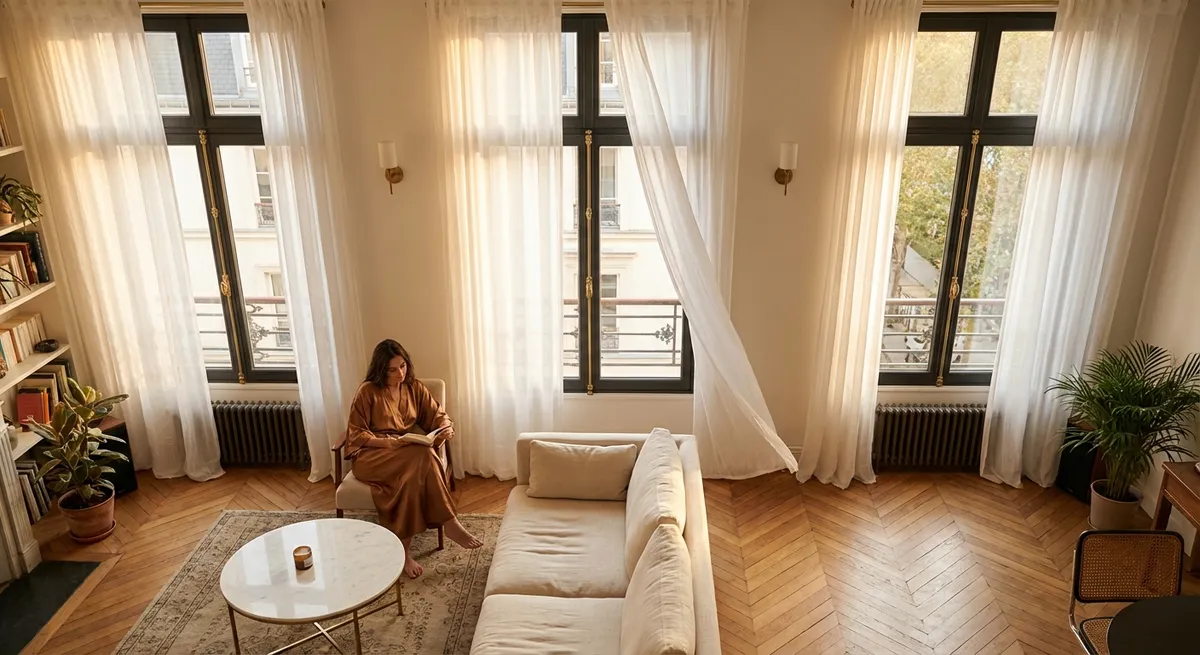
Energy efficiency, at its most elegant, is almost invisible. The most refined window upgrades do not shout their presence; they quietly recalibrate the way your home feels—temperature, light, acoustics, and even how you move through the space. For discerning homeowners, energy-efficient windows are no longer a purely functional upgrade; they are a strategic design decision that blends comfort, sustainability, and long-term value.
Below, we explore five exclusive, often-overlooked insights that elevate window efficiency from a technical specification to a curated performance.
Rethinking “Warmth”: Comfort Is a Design Metric, Not Just a Number
Most discussions of energy-efficient windows fixate on utility bills, but sophisticated design begins with comfort as the central metric. A poorly performing window creates a band of discomfort along exterior walls—drafts near the floor, heat build-up behind sheers, or that subtle chill near a favorite armchair that drives you away from the view.
High-performance glazing dramatically reduces these microclimates. Low-emissivity (Low-E) coatings and insulated frames help maintain a more even indoor temperature, so your seating layout is no longer dictated by seasonal cold spots or sun exposure. In winter, interior glass surfaces stay closer to room temperature, reducing radiant heat loss from your body; in summer, selective coatings reject heat-carrying infrared rays while welcoming controlled daylight.
This shift in comfort is both physiological and psychological. When glass no longer reads as a “weak spot,” your perimeter spaces—reading nooks, window benches, dining areas near large openings—become usable year-round. True energy efficiency is not just about better numbers on your energy report; it is about reclaiming your home’s most beautiful vantage points in every season.
Precision Glazing: Matching Glass Formulas to Climate and Orientation
Treating all windows in a home as identical is an outdated, one-size-fits-all approach. A more cultivated strategy treats each façade—and sometimes each room—as a unique performance zone.
In colder climates, windows facing south may benefit from higher solar heat gain coefficients (SHGC) to harvest winter sunlight, whereas large west-facing panes in warm climates might require more aggressive solar control to prevent late-afternoon overheating. Similarly, coastal homes might prioritize salt-resistant hardware and impact-rated glass, while urban residences focus on high sound insulation values alongside thermal performance.
This is where advanced glazing configurations become especially relevant:
- Selective Low-E coatings can be tuned to block heat while preserving color-true daylight.
- Warm-edge spacers between glass panes reduce condensation and edge heat loss.
- Triple glazing may be invaluable for cold or noisy environments, but a targeted use—bedrooms, north elevations, exposed corners—often yields better value than a blanket, whole-house approach.
An architect or specialist can create a glazing “palette” for your home that is as curated as your furnishings, balancing performance, aesthetics, and regional climate. The result is not a generic “energy-efficient window package,” but a tailored system that respects both geography and architecture.
The Frame is the Quiet Hero: Materials, Construction, and Thermal Integrity
The conversation around window upgrades often stops at the glass, but the frame quietly dictates much of the actual performance. High-end projects increasingly treat frames not as a necessary border, but as precision-engineered instruments of thermal control.
Different frame materials offer distinct advantages:
- Fiberglass delivers strong thermal stability and low expansion, maintaining seals and alignment over time while offering excellent insulation.
- Wood remains a timeless, warm interior presence, especially in heritage or luxury homes, and when paired with exterior cladding (aluminum or fiberglass), it balances aesthetics with durability.
- Composite frames combine materials (e.g., wood and polymer) to achieve superior insulation with reduced maintenance.
- Thermally broken aluminum is essential when a slim, contemporary profile is desired; internal thermal breaks prevent the metal from acting as a conduit for outdoor heat or cold.
Beyond material choice, details such as multi-chambered profiles, quality weatherstripping, and precision joinery all influence air infiltration rates and long-term performance. A premium window is not just well-insulated; it is meticulously sealed, resisting the subtle air leaks that, over time, erode both comfort and efficiency. For the attentive homeowner, exploring frame technology is often where genuine differentiation between “standard” and “exceptional” becomes clear.
Daylight as an Asset: Designing for Light Without Overheating
The most compelling window upgrades treat daylight as a design material—something to be shaped, filtered, and refined rather than simply maximized. While large expanses of glass are visually seductive, unmanaged sunlight can undermine both energy efficiency and comfort.
Energy-efficient windows with thoughtfully selected visible transmittance (VT) and SHGC values allow you to orchestrate light and heat separately. This enables a nuanced approach:
- In living areas, you may prefer higher VT to maintain luminous, gallery-like spaces, paired with glass that filters out a significant portion of infrared heat.
- In bedrooms, slightly lower VT and more assertive solar control can create restful environments with subdued morning light and improved sleep quality.
- East- and west-facing façades benefit from targeted shading strategies—deep overhangs, vertical fins, or elegant exterior screens—complementing high-performance glass with architectural shading.
This integrated approach reduces reliance on artificial lighting, particularly during shoulder seasons, while minimizing the need for excessive cooling. Energy-efficient windows, when specified with daylight performance in mind, transform rooms into consistently luminous yet temperate environments, enhancing both visual comfort and the perceived quality of space.
Subtle Payoffs: Resale, Acoustics, and the Future-Ready Home
The return on energy-efficient window upgrades extends far beyond reduced utility costs. For refined properties, these upgrades signify a home that is not only beautiful today but thoughtfully prepared for tomorrow.
From a valuation perspective, high-performance windows signal lower operating costs, reduced maintenance, and up-to-date building standards—attributes increasingly scrutinized by sophisticated buyers. In many markets, energy efficiency is evolving from a “nice-to-have” to a baseline expectation at the upper end of residential real estate.
There are also understated quality-of-life benefits:
- Acoustic performance: Multi-pane units with asymmetrical glass thicknesses and insulated frames significantly soften exterior noise, creating an enveloping sense of calm—especially prized in urban or high-traffic areas.
- UV protection: Modern coatings filter a large proportion of ultraviolet radiation, preserving textiles, artwork, and fine furnishings from gradual fading.
- System compatibility: Energy-efficient windows pair naturally with next-generation systems—smart shades, zoned HVAC, and even home energy monitoring—allowing your envelope to keep pace with evolving technologies and regulations.
In essence, investing in advanced window performance is an investment in resilience: thermal, financial, and experiential. The windows you choose today help define how gracefully your home will age, both in the market and in daily use.
Conclusion
Energy-efficient windows are no longer a purely technical upgrade hidden in the fine print of U-factors and SHGC values. For the discerning homeowner, they are a tool for crafting a more composed interior climate, a more luminous and usable perimeter, and a home that feels quietly luxurious in every season.
By focusing on comfort as a design metric, tailoring glass to climate and orientation, elevating frame technology, choreographing daylight, and recognizing the broader payoffs in value and livability, you transform window selection from a commodity choice into a curated, long-term investment. In the most successful projects, the result is simple but profound: a home that looks refined, feels effortlessly comfortable, and performs with a quiet intelligence that rarely needs to be announced.
Sources
- [U.S. Department of Energy – Energy-Efficient Windows](https://www.energy.gov/energysaver/design/energy-efficient-windows) – Overview of window technologies, performance metrics, and selection guidance
- [Efficient Windows Collaborative – Window Selection Tool](https://www.efficientwindows.org/selection-tool) – Climate-specific recommendations on glazing, frames, and energy performance
- [ENERGY STAR – Residential Windows, Doors and Skylights](https://www.energystar.gov/products/residential_windows_doors_and_skylights) – Criteria, certification standards, and benefits of ENERGY STAR–rated windows
- [National Renewable Energy Laboratory (NREL) – Windows & Glazing Research](https://www.nrel.gov/buildings/windows.html) – Research on advanced window technologies and their impact on building efficiency
- [Lawrence Berkeley National Laboratory – Windows & Daylighting](https://windows.lbl.gov/) – Technical resources on window performance, daylighting, and modeling tools
Key Takeaway
The most important thing to remember from this article is that this information can change how you think about Energy Efficiency.