In discerning homes, windows are not mere openings; they are calibrated instruments of light, proportion, and comfort. The right window type can soften a facade, elongate a ceiling line, or quietly transform the way a room is used at different hours of the day. For homeowners contemplating an upgrade, the decision is less about “what fits the hole” and more about “what elevates the experience.” This is where window types—casement, awning, picture, tilt-and-turn, and beyond—move from a technical choice to a design statement.
Below, we explore how refined window selections can subtly re‑compose a space, and we share five exclusive insights that sophisticated homeowners consistently use to guide elevated window decisions.
Reading the Room: How Window Types Shape Space and Atmosphere
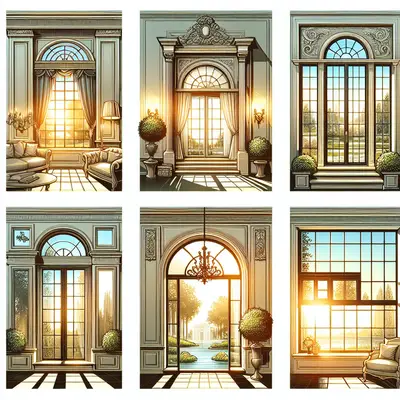
Every window type carries an architectural “accent” that influences how a room feels before a single piece of furniture is placed. Casement windows introduce a vertical rhythm; sliders lean more horizontal and relaxed; picture windows act like framed art, anchoring a wall with a singular, expansive view.
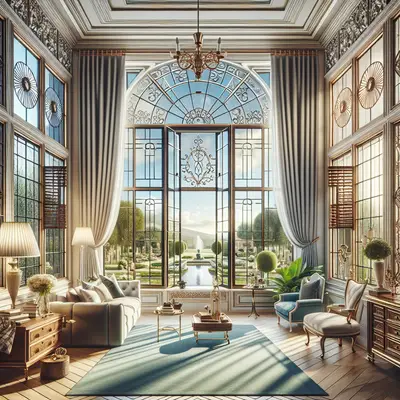
In formal rooms—libraries, sitting rooms, dining spaces—taller, narrow casements or French-style casement windows can lend a sense of quiet ceremony, drawing the eye upward and subtly enhancing perceived ceiling height. By contrast, broad sliders and expansive picture windows work beautifully in contemporary living areas, dissolving the threshold between interior and exterior and creating a lounge-like atmosphere.
The key is to consider not only how the window looks on the wall, but how its type manipulates light, shadow, and sightlines throughout the day. A carefully chosen combination—picture window for the view, flanking operable casements for ventilation—can create a composed, gallery-like effect rather than a collage of mismatched units.
The Character of Each Window Type
Beyond aesthetics, each window type has a distinct “behavior”—how it opens, seals, and controls light—that should harmonize with your lifestyle.
Casement windows, hinged at the side, offer exceptional ventilation and a clean, modern profile. When closed, their compression seals can provide excellent energy performance and sound reduction, ideal in urban or exposed environments. Awning windows, hinged at the top, excel in climates where rain is frequent; you can keep them slightly open without inviting the weather inside.
Double-hung and single-hung windows retain a more traditional vocabulary, particularly suited to historic or classic homes. Their ability to open from the top or bottom aids in subtle air circulation, especially when combined in groups. Sliding windows prioritize horizontal flow and ease of use, often favored in more contemporary or mid-century aesthetics.
European-style tilt-and-turn windows have gained traction in premium upgrades, offering dual functionality—tilting in at the top for secure ventilation or swinging in like a door for maximum opening and easy cleaning. Their robust hardware and multi-point locking systems appeal to those who value both precision and a minimalist interior line.
Five Exclusive Insights for Elevated Window Decisions
As you explore window types, these five refined considerations can distinguish a merely “new” window from a truly elevated solution.
1. Think in Compositions, Not Individual Units
Sophisticated window upgrades are rarely about one window at a time. Instead, they are composed as ensembles: a central fixed unit (picture or fixed casement) paired symmetrically with operable flanks, clerestory windows layered above larger units, or a low horizontal band window balancing a tall, narrow opening elsewhere in the room.
When you evaluate window types, ask how they can be grouped—vertically stacked, mullioned in even rhythms, or combined into corner configurations—to articulate the architecture. A well-composed arrangement of mixed window types often feels more tailored than simply enlarging one opening.
2. Ventilation Strategy Is as Important as View
Many homeowners prioritize the view and forget that the window type also dictates how air moves through the home. Casement and tilt-and-turn windows can “scoop” the breeze, directing air deeper into the room. Awnings can be left slightly open during light rain, preserving fresh air when the weather is less than perfect.
Consider prevailing wind direction and how you actually occupy the space. A picture window might deliver an extraordinary panorama, but pairing it with strategically placed operable units—high awnings in a kitchen, casements at seating height in a living room—creates a quietly luxurious comfort that feels considered rather than incidental.
3. Align Operation with Furnishings and Daily Rituals
One of the most overlooked aspects of window type selection is the choreography between windows and furniture. Tilt-and-turn windows that swing inward, for instance, require careful planning near deep window seats, built-in shelving, or tall floor lamps. Sliding windows, on the other hand, don’t intrude into the room at all, preserving every centimeter of usable interior space.
Before committing to a window type, mentally “stage” the room: Where will the sofa sit? Will there be a writing desk under that window? Do you imagine sheer drapery, Roman shades, or architectural shutters? The most successful upgrades respect these realities, selecting window operations that maintain visual calm and functional ease around everyday rituals—morning coffee, evening reading, quiet workspaces.
4. Use Window Types to Tune Acoustics and Privacy
Not all privacy concerns can be solved with glass alone; the chosen window type plays a silent but meaningful role. Fixed windows, with no moving parts, often provide superior sealing, which can support both acoustic and thermal performance. When paired with laminated or acoustic glass, they become powerful tools in creating tranquil interior environments.
Operable types can then be strategically reserved for locations where sound and privacy are less critical, or where smart glass, textured glazing, or carefully chosen treatments can modulate visibility. For street-facing facades, a combination of higher sill heights, narrower operable windows, and fixed transoms above can maintain daylight and elegance while softening exposure to the outside world.
5. Respect the Home’s Architectural Language—Then Edit It
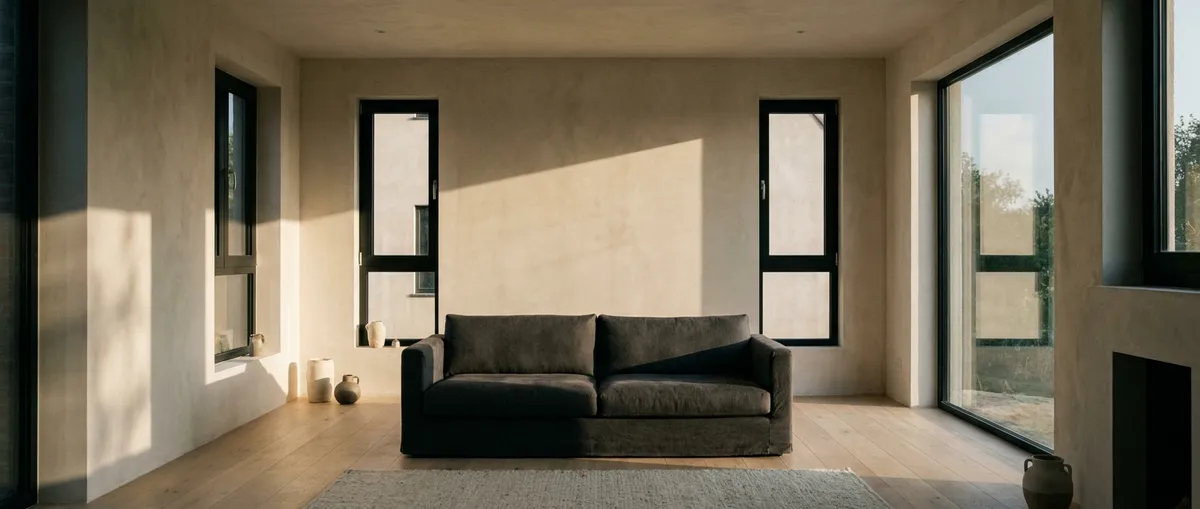
Premium upgrades are rarely about erasing the home’s original character; they refine it. In a traditional residence, slimmer-profile double-hung windows with thoughtfully divided lites can echo the original intent while incorporating modern insulation and sealing technology. In a mid-century or contemporary home, larger fixed and sliding units with minimal frames can sharpen the architecture’s clean lines.
That said, a strategic departure in certain rooms can be profoundly effective. A tilt-and-turn window added to a primary suite for quiet European flair, or a bank of awnings beneath a picture window in a kitchen, can introduce a more curated, bespoke feeling. The art lies in knowing when to echo the existing language and when to introduce a new note—always with proportion, alignment, and facade cohesion in mind.
Matching Window Types to Room Function
When you consider window types through the lens of how a room is used, the correct options often reveal themselves with clarity.
In kitchens, awning or casement windows placed above countertops and sinks enable easy reach and robust ventilation where you need it most. In living rooms, large picture windows—anchored by operable casements or sliders at the sides—offer both panoramic views and the flexibility to modulate airflow during gatherings.
Bedrooms benefit from operable windows that are quiet, secure, and easy to control from the bed. Tilt-and-turn or casement units with high-quality hardware can provide controlled night ventilation, especially when paired with blackout or layered window treatments. Home offices may call for fixed windows at desk height for uninterrupted sightlines, with operable units placed laterally or above, ensuring fresh air without disrupting screens, paperwork, or acoustics during calls.
Bathrooms call for a discrete balance of privacy and ventilation—smaller awning windows placed higher on the wall, often with frosted or textured glass, preserve a sense of retreat while still allowing steam to escape and daylight to enter.
Material and Hardware: The Quiet Upgrade Behind Every Window Type
Whatever window type you select, frame material and hardware execution are what separate a standard product from an elevated solution. Slim aluminum or fiberglass frames can support larger glass expanses with refined sightlines, while high-end wood interiors lend warmth and tactility—especially when paired with custom stains or painted finishes that coordinate with millwork.
Premium hardware—solid metal handles, multipoint locks, quiet hinges—does more than secure the sash; it communicates quality every time you open a window. Some tilt-and-turn and casement systems are engineered to feel almost weightless in motion, with damped closing and precise alignment. These details matter in daily use and significantly contribute to the perception of overall quality in the home.
For larger operable types, such as oversized sliders or lift-and-slide doors, advanced track systems allow heavy panels to glide with a fingertip. Integrating these with your chosen window types—so that sliders, casements, and fixed units share a common aesthetic language—results in a unified, bespoke envelope rather than a patchwork of disparate products.
Conclusion
A window upgrade, at its most considered, is less about replacing glass and more about re-editing how your home receives light, air, and view. Window types are the vocabulary of this edit—each one with its own geometry, behavior, and personality. By thinking in compositions, planning for ventilation and furnishings, using types to tune privacy and acoustics, and respecting the architecture while sharpening it, you move beyond functional replacement into quiet transformation.
The result is a home that feels more intentional, more serene, and more aligned with the way you actually live—a place where every opening is less a gap in the wall and more a carefully orchestrated moment of connection between inside and out.
Sources
- U.S. Department of Energy – Window Types - Overview of common residential window types, their operation, and efficiency implications
- Efficient Windows Collaborative – Window Selection Guidance - Detailed guidance on selecting window styles, frame materials, and configurations for performance and comfort
- National Association of Home Builders – Design Considerations for Windows - Professional insight into how window choices intersect with design, code, and performance
- Pella – Window Styles and Features - Manufacturer perspective on different window types, their aesthetic impact, and functional benefits
- Andersen Windows – Understanding Window Types - Comprehensive catalog of window types with explanations of operation, use cases, and design variations
Key Takeaway
The most important thing to remember from this article is that this information can change how you think about Window Types.