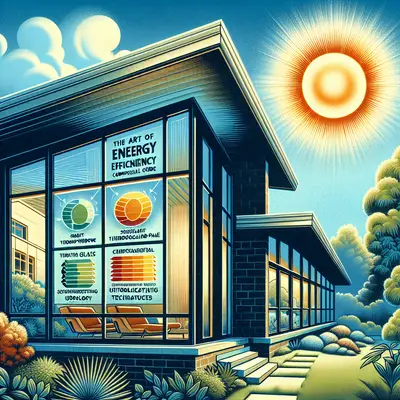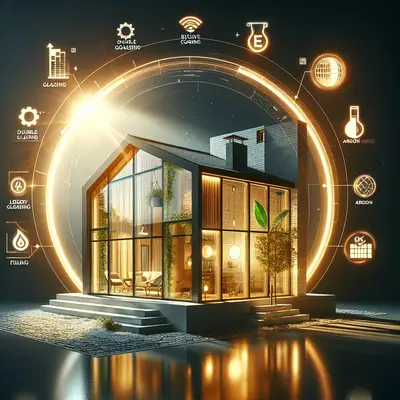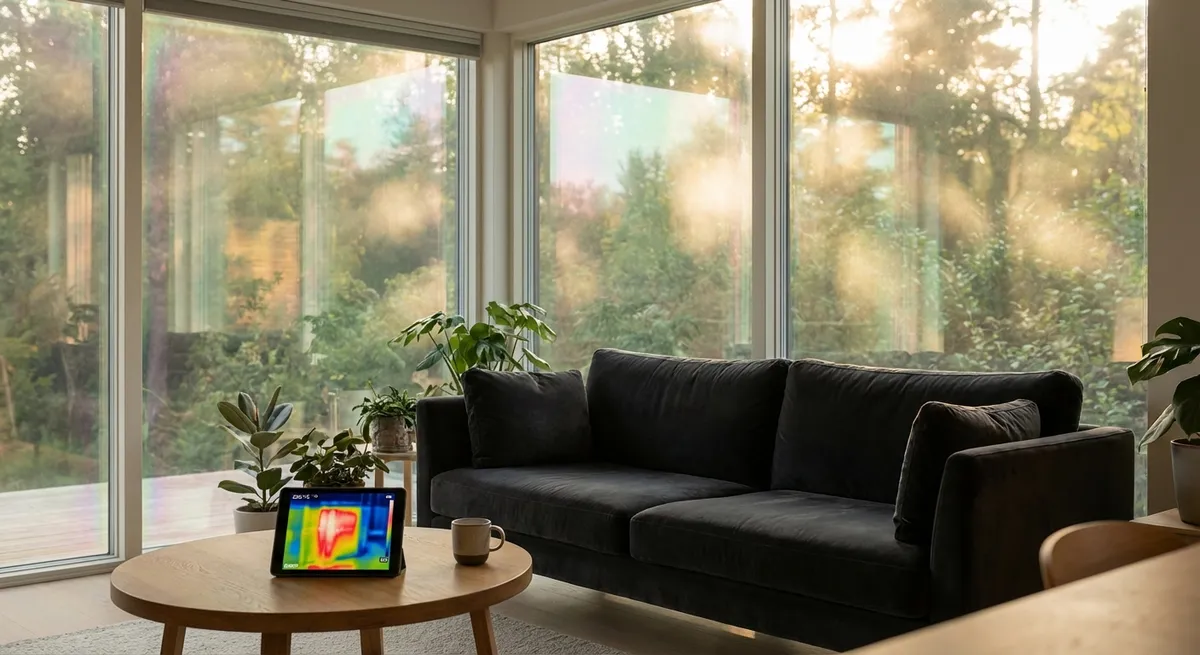
Window upgrades are no longer a mere cosmetic exercise; for the discerning homeowner, they are a strategic refinement of comfort, performance, and long-term value. Energy-efficient windows are the quiet engines behind a home that feels consistently temperate, acoustically calm, and visually elevated—without announcing their presence. When thoughtfully specified, they shape the quality of your daily life as much as any piece of architecture or furniture, yet they operate in the background with an almost invisible sophistication.
Below are five exclusive, often-overlooked insights to consider as you curate truly exceptional, energy-conscious window solutions for your home.
1. Spectral Selectivity: Tuning Light, Not Just Blocking Heat
Most homeowners know to look for “low‑E” glass, but the nuance lies in how that glass interacts with different wavelengths of light. High-end, spectrally selective coatings can admit generous visible daylight while sharply limiting solar heat gain and UV transmission. This means you can cultivate bright, gallery-like interiors without the harsh thermal penalty often associated with expansive glazing.
Rather than focusing only on a single rating (such as U‑factor), scrutinize the Solar Heat Gain Coefficient (SHGC) and visible transmittance (VT) together. In sun-exposed spaces, a low SHGC paired with high VT helps preserve clarity and brightness while keeping interiors more temperate. In cooler climates, a more balanced SHGC can allow you to “harvest” winter sun for passive warmth, subtly reducing reliance on mechanical heating. The most sophisticated specifications vary by façade, tailoring coatings to orientation so each elevation of your home performs in harmony with the path of the sun.
2. Microclimate Mapping: Matching Windows to Orientation and Use
Energy efficiency is not a one-size-fits-all label; it is a tailored response to the microclimates within and around your home. South-facing rooms may need advanced sun control, while shaded or north-facing spaces benefit more from superior insulation than aggressive solar rejection. Bedrooms might prioritize thermal stability and acoustic insulation, whereas a kitchen or conservatory may call for elevated solar management and easy ventilation.
Begin by mapping how light, heat, and use patterns shift from room to room across the day and the seasons. Consider where early-morning chill lingers, where afternoon glare intrudes, and which spaces demand unwavering comfort—home office, nursery, primary suite. This refined understanding allows your window professional to recommend different glazing packages and frame materials by elevation and room function. The result feels bespoke: energy efficiency tuned to how you actually live, rather than a generic, whole-house prescription.
3. Frame Architecture: The Invisible Backbone of Thermal Performance
Glass often takes center stage in energy conversations, but the frame is the architectural detail that quietly determines whether your investment performs to its full potential. High-performance frames—such as insulated fiberglass, composite, or well-engineered wood-clad systems—minimize conductive heat transfer while retaining structural integrity and visual finesse.
Look beyond simple material labels and study the frame’s internal architecture. Multi-chamber vinyl frames with internal insulation, thermally broken aluminum profiles, or robust fiberglass systems can dramatically enhance energy performance. Warm-edge spacers at the glass perimeter further reduce the risk of condensation and edge heat loss, supporting both clarity and comfort. For a truly refined solution, seek options that combine slim sightlines (for an elegant aesthetic) with advanced thermal breaks, so you are not forced to choose between performance and design purity.
4. Airtightness as a Luxury: The Comfort Dividend of Precision Sealing
While U‑factor and SHGC rightly receive attention, air leakage is often the underappreciated variable that defines how a space actually feels. Drafts, cold spots near windows, and subtle whistling on windy nights all trace back to how effectively the window system controls air movement. High-end units with meticulous gasketing, multiple seals, and precision hardware can transform the experience of a room, elevating calm and comfort to a level that feels distinctly luxurious.
When comparing options, review the air leakage (AL) rating and ask explicitly about the design of weatherstripping, compression seals, and locking mechanisms. An operable window that closes with a firm, even compression around the entire perimeter significantly improves both energy performance and acoustic isolation. Over time, this airtightness reduces strain on your HVAC system, enabling it to operate more quietly and efficiently, while maintaining a stable, cocoon-like interior climate.
5. Strategic Layering: Shades, Films, and Systems that Work in Concert
Energy-efficient windows are most successful when viewed as part of an integrated envelope strategy rather than a stand-alone component. The most sophisticated homes treat glazing, shading, and automation as a coordinated system, layering benefits for nuanced control of light, privacy, and heat.
High-performance interior or exterior shades, low-profile cellular blinds, and carefully selected films can augment the performance of advanced glazing—especially on challenging exposures. Dynamic or automated shading, synchronized with daylight and occupancy, can modulate solar gain throughout the day without sacrificing elegance or ease of use. Meanwhile, pairing top-tier windows with a properly balanced, efficient HVAC system ensures that every degree saved at the glass translates into measurable operational efficiency. This holistic approach reframes windows not just as apertures, but as intelligent interfaces between your interior sanctuary and the changing climate outside.
Conclusion
Energy-efficient windows are, at their best, an exercise in restraint and precision: quiet, visually resolved components that orchestrate light, temperature, and sound with effortless poise. By looking beyond basic labels and embracing a more nuanced understanding—spectral selectivity, orientation-specific design, advanced frame engineering, airtight detailing, and layered control—you shift from simply “reducing bills” to curating an environment of lasting comfort and refinement.
In this elevated context, a window upgrade becomes a considered investment in how your home feels, performs, and endures over time. The result is not only greater efficiency, but a more composed, gracious way of living with light and climate every day.
Sources
- [U.S. Department of Energy – Energy-Efficient Windows](https://www.energy.gov/energysaver/design/energy-efficient-home-design/energy-efficient-windows) - Explains key concepts such as U-factor, SHGC, and frame considerations for window performance
- [Efficient Windows Collaborative – Window Selection Guidance](https://www.efficientwindows.org/selection.php) - Offers detailed guidance on choosing windows based on climate, orientation, and performance metrics
- [Lawrence Berkeley National Laboratory – Windows and Daylighting](https://windows.lbl.gov/) - Provides research and technical insights into advanced glazing, coatings, and window systems
- [National Fenestration Rating Council (NFRC)](https://www.nfrc.org/consumers) - Describes standardized window performance ratings and how to interpret labels for energy efficiency
- [U.S. Environmental Protection Agency – ENERGY STAR Windows, Doors, and Skylights](https://www.energystar.gov/products/residential_windows_doors_and_skylights) - Outlines performance criteria and benefits of ENERGY STAR certified window products
Key Takeaway
The most important thing to remember from this article is that this information can change how you think about Energy Efficiency.