Replacing windows in an upscale residence is seldom about the lowest bid; it is about orchestrating comfort, aesthetics, and long-term value with precision. Yet even discerning homeowners can underestimate how nuanced the financial side of a window upgrade truly is. Beyond line items and quotes, there is a quieter story unfolding—one of operating costs, resilience, and livability that compounds over years, not months.
This cost analysis explores that story in depth, revealing five exclusive insights that sophisticated homeowners rely on when evaluating premium window solutions.
Looking Beyond the Invoice: The True Horizon of Cost
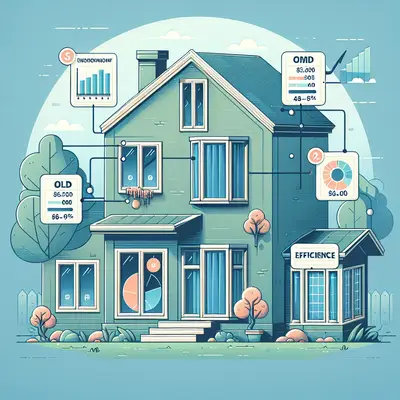
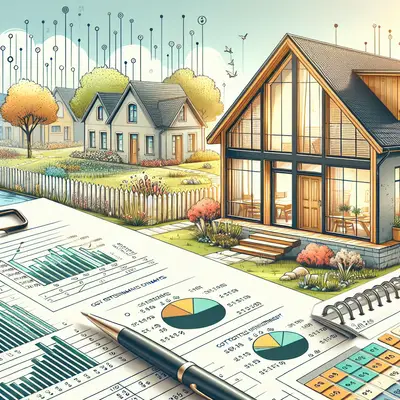
For a high-end property, the initial installation cost is only the opening chapter. The more meaningful number is the total cost of ownership over 15–30 years—the lifespan of a well-specified window system.
Premium frames, high-performance glass, and meticulous installation typically command a higher upfront price. However, these elements can cut heating and cooling losses dramatically, stabilize interior temperatures, and reduce mechanical strain on HVAC systems. In colder climates, high-quality triple-pane units may recapture a surprising share of their cost through energy savings and improved comfort, while in warmer regions, advanced low-e coatings and solar control glazing can curb peak cooling loads and delay the need for a larger or upgraded air-conditioning system.
Additionally, refined window systems often require less frequent maintenance, offer better resistance to warping and seal failure, and maintain their visual clarity longer. When amortized across decades, the “expensive” option frequently becomes the more economical one—especially in larger or architecturally significant homes where disruption and rework carry their own implicit cost.
Exclusive Insight 1: Not All Efficiency Gains Are Worth the Premium
Energy-efficient labels and performance ratings can be persuasive, but not every upgrade tier delivers sensible value in your specific context. The most thermally advanced product is not always the most financially rational.
For example, in mild climates with modest heating and cooling demands, the incremental savings between a high-quality double-pane low-e window and an ultra-premium triple-pane system may be negligible. In that scenario, spending aggressively on extreme efficiency could divert budget from other upgrades that yield a higher return—such as better air sealing, shading strategies, or targeted upgrades on the sunniest elevations.
Conversely, in regions with harsh winters or dramatic temperature swings, the incremental cost of superior glazing and insulated frames can pay dividends in both energy savings and day-to-day comfort. A refined cost analysis should match performance tiers to climate, orientation, and occupancy patterns—not marketing claims—ensuring that every additional dollar spent on efficiency is justified by tangible, context-specific value.
Exclusive Insight 2: Comfort Has a Financial Signature
Thermal comfort, acoustic serenity, and visual ease are often described in emotional terms, yet each has a measurable economic dimension. Windows that eliminate cold drafts, minimize temperature asymmetry, and control glare can reduce reliance on supplementary heat sources, window coverings, and even some mechanical systems.
Quiet interiors, achieved through laminated glass or asymmetrical double- or triple-pane constructions, may appear at first to be a purely indulgent upgrade. But for homeowners who work from home, host frequently, or live near traffic or flight paths, reduced noise translates to higher productivity, better sleep, and, in many markets, premium resale appeal. These are not abstract perks; they shape how a home is perceived and valued by future buyers.
A sophisticated cost analysis assigns weight to comfort enhancements, recognizing them as part of the return on investment. While spreadsheets cannot fully quantify the pleasure of a silent, draft-free living room on a winter evening, they can capture the way such refinements differentiate a property in a discerning marketplace.
Exclusive Insight 3: Material Choice is a Long-Term Financial Character
Window materials age differently, and their financial implications evolve over time. Understanding these subtleties prevents costly misalignment between aesthetic goals and life-cycle costs.
High-end aluminum with thermal breaks, for instance, excels in strength, slim sightlines, and design versatility, making it ideal for large-format or minimal-frame designs. Its initial cost can be substantial, yet its durability and structural stability often justify the premium, particularly in modern or coastal homes where performance demands are high. Meanwhile, fiberglass frames may offer an appealing balance: excellent thermal performance, dimensional stability, and a paintable finish that can be refreshed as tastes and palettes change.
Wood—especially in architecturally historic or classically styled homes—remains peerless in warmth and detail but carries ongoing maintenance commitments. Factory-applied finishes and aluminum-clad exteriors can mitigate this, blending traditional character with modern resilience. The cost narrative here is not simply “wood vs. non-wood,” but rather how each material supports the home’s long-term identity, maintenance rhythm, and resale positioning.
In a refined cost analysis, the “cheapest per window” metric is less meaningful than the total cost of care over decades and the aesthetic integrity preserved—or compromised—by each choice.
Exclusive Insight 4: Orientation and Elevation Quietly Reshape the Budget
No two façades of a home perform identically, and your investment strategy should reflect that asymmetry. South- and west-facing windows often bear the brunt of solar gain, while north-facing apertures in colder climates may be chronic sources of heat loss. Treating every elevation identically can be an elegant simplification—but also a financial inefficiency.
A more sophisticated approach selectively intensifies performance where the building envelope is under the greatest stress. This can mean specifying higher solar-heat-gain-control coatings for west-facing glass, opting for enhanced insulation on windswept elevations, or customizing glazing for rooms that are heavily used at certain times of day. In some cases, accent windows or dramatic picture units may justify an extra tier of performance simply due to their size and exposure.
This tailored strategy does not necessarily increase the total project cost; it reallocates funds more intelligently. Instead of overbuilding windows in benign exposures, you channel budget into the apertures that most directly affect comfort, energy use, and furnishings (which can fade under harsh UV exposure). The result is a quieter, more controlled interior—and a more precise alignment between spending and lived experience.
Exclusive Insight 5: Resale Value and Perceived Quality Move in Unison
While windows are not always the headline feature in a luxury listing, they quietly shape every room photograph and every in-person viewing. Panes that are visibly fogged, frames that feel flimsy, or drafts noticeable on a walkthrough can subtly erode perceived quality and negotiating leverage.
High-end buyers, in particular, are attuned to the texture of the home—how the sash glides, how the latch feels in hand, whether the exterior profiles complement the architecture. Discerning window choices signal a level of stewardship that can reassure potential buyers about the overall caliber of the property. In some competitive markets, documented energy efficiency improvements and upgraded fenestration can help a home stand out among similarly priced listings.
From a cost-analysis standpoint, this means your window investment has a dual return: operational (reduced energy and maintenance costs) and reputational (heightened buyer confidence and perceived value). Even if you do not plan to sell soon, building a home that would photograph impeccably and show beautifully under scrutiny helps preserve flexibility and bargaining power in the future.
Conclusion
A refined window upgrade is not simply a transaction; it is a long-term rebalancing of comfort, cost, and character. When evaluated through a sophisticated cost lens, premium windows often reveal their value in layers: calmer rooms, controlled energy use, enduring aesthetics, and a property that remains compelling in a discerning market.
By looking beyond the invoice, tailoring performance to orientation and climate, and acknowledging the financial signature of comfort and perceived quality, homeowners can invest not just in panes of glass, but in a more composed, resilient way of living. The true dividend of elevated window performance is quiet, enduring, and ultimately unmistakable.
Sources
- U.S. Department of Energy – Energy-Efficient Windows – Overview of window technologies, performance metrics, and how they affect energy costs
- Efficient Windows Collaborative (Berkeley Lab) – Independent guidance on window selection, climate-appropriate performance, and cost–benefit considerations
- ENERGY STAR – Windows, Doors and Skylights – Federal program detailing certified products, regional requirements, and potential bill savings
- National Association of Realtors – 2023 Remodeling Impact Report – Data on resale value and owner satisfaction for various home improvements, including windows
- Lawrence Berkeley National Laboratory – Windows & Daylighting – Research-based information on window performance, comfort impacts, and advanced glazing technologies
Key Takeaway
The most important thing to remember from this article is that this information can change how you think about Cost Analysis.