Energy-efficient windows are no longer a mere upgrade; they are a silent, always-on climate system woven into the skin of your home. For discerning homeowners, the objective is not just to lower utility bills, but to orchestrate comfort, acoustics, light, and long-term value into a single, elegant solution. When chosen well, windows become an invisible infrastructure—quietly regulating temperature, protecting interiors, and elevating the daily experience of space.
Below are five exclusive, often-overlooked insights that sophisticated homeowners can use to transform a window project into a precise, energy-aware investment.
Reading Glass Like a Designer: Interpreting Labels Beyond the Stickers
Most homeowners glance at an NFRC label, confirm it “looks efficient,” and move on. A more refined approach reads these metrics as a performance profile, not a checklist.
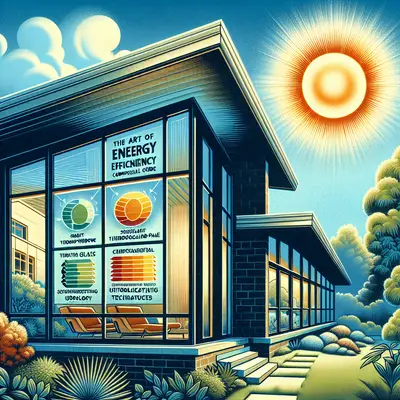
U-factor, which measures how readily heat escapes, is foundational. In most climates, a U-factor of 0.30 or lower indicates strong insulation; in colder zones, aim for even lower when possible. Yet U-factor alone is incomplete. The Solar Heat Gain Coefficient (SHGC) reveals how the glass behaves in sunlight. A low SHGC (around 0.25–0.35) filters heat gain, ideal for hot or sun-drenched climates. In cooler regions, or north-facing elevations that rarely overheat, a higher SHGC can be desirable, allowing the sun to contribute free winter warmth.
Visible Transmittance (VT) is frequently ignored, but critical to ambience. A high-efficiency window with an ultra-low VT can leave interiors feeling dull and over-filtered. Sophisticated specification means balancing a lower U-factor with a VT high enough to preserve clarity and daylight quality, particularly in living areas and kitchens. Treat the label like a tailored measurement set: the right combination delivers comfort and visual refinement, not just lower bills.
Climate-Zoned Glazing: Matching Each Elevation to Its Environment
A truly elevated window plan does not apply one glass package uniformly across the entire home. South, north, east, and west facades experience entirely different thermal realities; acknowledging this allows for nuanced design with real energy benefits.
On west- and south-facing elevations in sunny or warm climates, prioritize lower SHGC glass to temper afternoon solar gain. This reduces reliance on air conditioning and helps maintain a calm, even interior temperature during the most intense sun hours. On the other hand, north-facing windows in temperate or cool climates can use glass with slightly higher SHGC, gathering soft, diffuse light with minimal overheating risk.
In mixed climates—where homes endure both winter heating and summer cooling—an architect or window consultant may recommend different glazing packages for separate façades or floors. Bedrooms, for instance, might receive glass that favors lower nighttime heat loss, while main living spaces are tuned for balanced daylight and moderated solar gain. This climate-zoned strategy is subtle, but over years, it compounds into superior comfort and more disciplined energy use.
Frame Matters: The Quiet Thermal Architecture Around the Glass
While glass draws most of the attention, the frame quietly defines much of the window’s energy personality. Material choice and internal construction can either enhance or undermine even the best glazing.
High-performance vinyl and fiberglass frames often offer excellent thermal resistance and minimal maintenance, making them strong candidates for energy-conscious projects. Fiberglass, in particular, handles temperature swings with minimal expansion and contraction, which supports long-term air sealing and performance stability. Well-engineered wood frames, protected by exterior cladding (such as aluminum), deliver warmth and elegance inside, with durable weather resistance outside—an ideal pairing for premium homes seeking both efficiency and tactile richness.
Thermal breaks—insulating barriers within metal frames—are critical if aluminum is chosen for its sleek sightlines and architectural appeal. Without robust thermal breaks, metal framing can conduct heat and cold into the interior, erasing many of the gains from advanced coatings and gas fills. For truly refined specification, request frame performance data (including frame-only U-factors, where available) and cross-check them against the glazing package. The frame is not just a border; it is part of the home’s thermal envelope.
Comfort as a Metric: Eliminating Drafts, Cold Radiance, and Hot Spots
Energy efficiency is typically quantified in kilowatt-hours and BTUs, but the daily reality is felt in comfort—or the lack of it. A premium window upgrade aims to erase the subtle discomforts that homeowners often accept as inevitable.
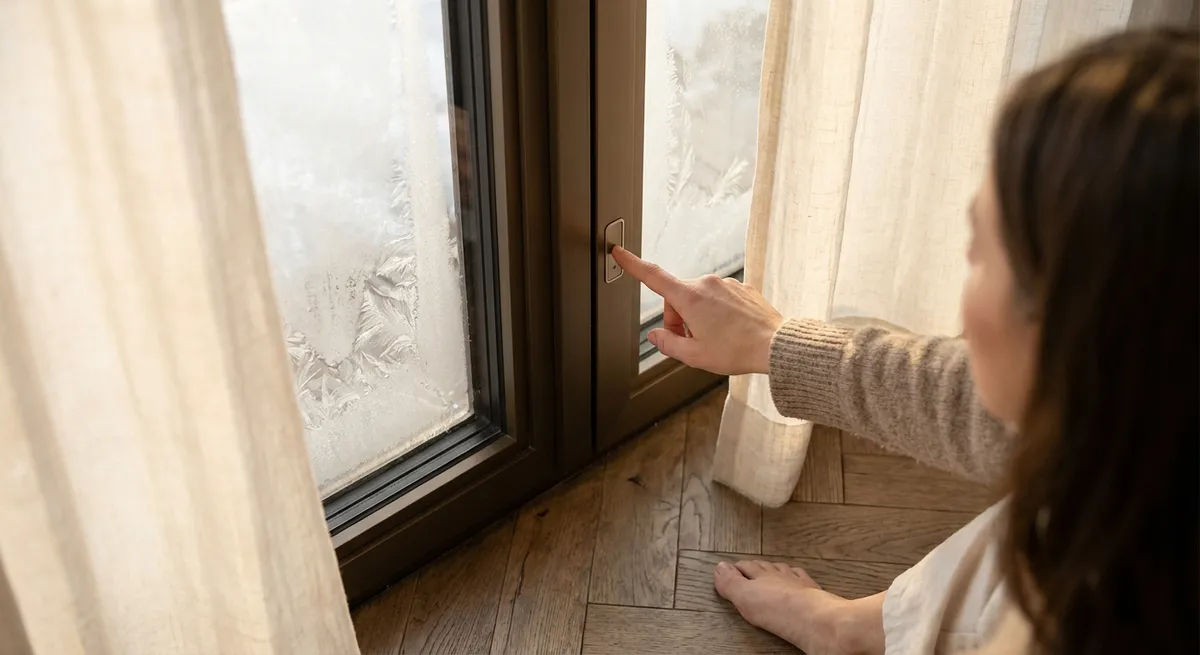
Low-emissivity (low-e) coatings, gas-filled insulated glass units, and well-insulated frames work together to improve mean radiant temperature near windows. In practical terms, this means a reading chair by the window remains inviting in January, and a dining area near glass walls does not feel like a greenhouse in July. Modern high-performance windows significantly reduce the “cold wall” effect, where you feel a chill simply sitting adjacent to poorly insulated glass.
Equally important is airtight installation. Even the most efficient window underperforms if surrounded by unsealed gaps or poorly insulated rough openings. A carefully executed installation strategy—using high-quality flashing, tapes, foam, and backer rod—prevents drafts and thermal “leaks” around the perimeter. The result is not only lower energy use, but a sense of calm, even-room comfort that feels distinctly elevated compared to standard construction.
Strategic Return on Investment: Energy Savings as Part of a Larger Ledger
Premium window upgrades often sit at the intersection of desire and discipline: the desire for refined aesthetics and the discipline of measured performance. While energy savings are important, they are only one dimension of a larger, thoughtful return on investment.
Efficient windows can help stabilize interior temperatures, enabling more modest reliance on mechanical systems, particularly when paired with programmable or smart thermostats. Over time, this can reduce operational wear on HVAC equipment and subtly extend its service life. In regions with rising energy costs, the insulating and solar-managing capabilities of high-performance windows serve as a hedge, moderating the home’s exposure to future utility price shifts.
Beyond utility bills, there are softer yet meaningful returns: enhanced resale appeal, better protection of interior finishes from UV fading, and the ability to design larger glazed areas without sacrificing comfort. In some jurisdictions, incentives, rebates, or tax credits for ENERGY STAR-certified or high-efficiency windows can further improve the financial profile of an upgrade. The most sophisticated projects weigh all these outcomes together, treating windows not as isolated products, but as a long-horizon investment in the home’s livability and resilience.
Conclusion
When curated with intention, energy-efficient windows become an understated but transformative layer of the home. They temper climate without calling attention to themselves, preserve light while controlling heat, and refine comfort in ways that feel effortless. By reading performance labels with nuance, tailoring glazing to orientation, respecting the thermal role of frames, prioritizing comfort as a core outcome, and evaluating return on investment holistically, homeowners can elevate a standard window replacement into a quietly powerful energy strategy.
The result is a home that feels composed in every season—luminous, stable, and quietly efficient, with windows that serve as both architectural statement and discreet climate ally.
Sources
- [U.S. Department of Energy – Energy-Efficient Windows](https://www.energy.gov/energysaver/energy-efficient-windows) - Comprehensive overview of window efficiency metrics, frame and glazing options, and climate considerations
- [ENERGY STAR – Residential Windows, Doors and Skylights](https://www.energystar.gov/products/residential_windows_doors_and_skylights) - Details on performance criteria, climate zone requirements, and certification standards
- [Efficient Windows Collaborative (NFRC)](https://www.efficientwindows.org/ratings.php) - Explanation of NFRC labels, U-factor, SHGC, and how to interpret performance data
- [Lawrence Berkeley National Laboratory – Windows and Daylighting](https://windows.lbl.gov/) - Research on advanced glazing, thermal performance, and comfort impacts around windows
- [U.S. Environmental Protection Agency – Indoor Air Quality & Energy Efficiency](https://www.epa.gov/indoor-air-quality-iaq/improving-indoor-air-quality-and-energy-efficiency) - Context on how building envelope improvements, including windows, contribute to healthier, more efficient homes
Key Takeaway
The most important thing to remember from this article is that this information can change how you think about Energy Efficiency.