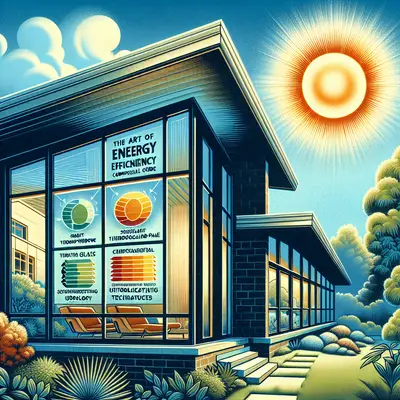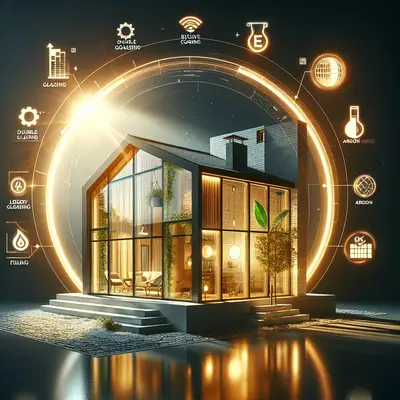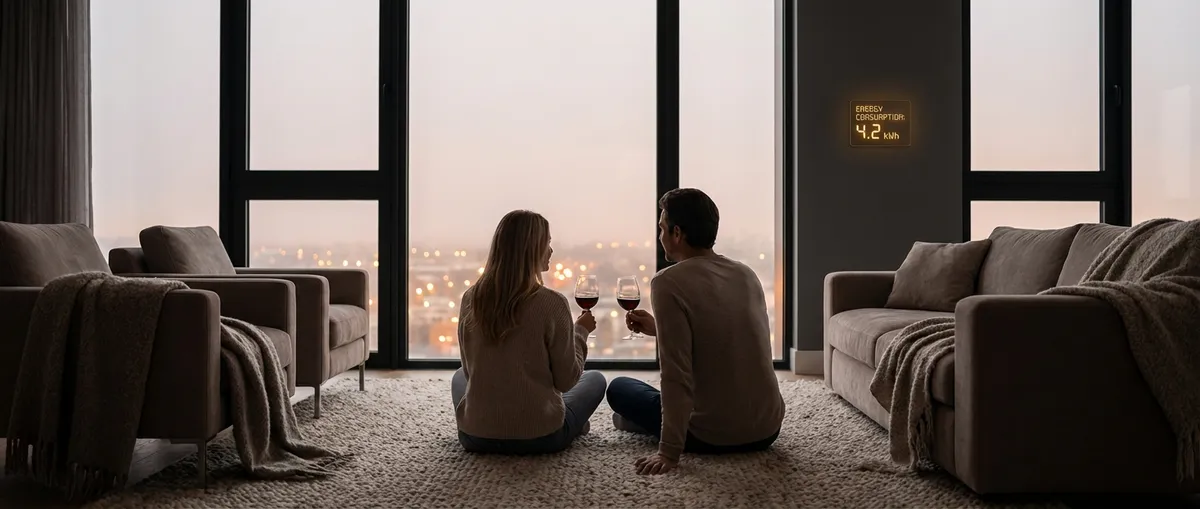
Energy efficiency, at its most refined, is not a compromise—it is a quiet abundance. The right windows do more than trim utility bills; they choreograph light, temperature, and acoustics into a seamless daily experience. For homeowners pursuing a more elevated standard of living, window upgrades offer a discreet yet powerful way to curate comfort, protect interiors, and future-proof a property’s value. What follows is a sophisticated perspective on energy-efficient windows, including five exclusive insights that discerning homeowners often overlook—but rarely regret discovering.
Reframing Energy Efficiency as a Daily Luxury
Energy-efficient windows are frequently discussed in terms of payback periods and kilowatt-hours, but that frame misses the point for a refined residence. At a premium level, efficiency is about stability and predictability—the home feels poised, unbothered by external extremes. Rooms maintain their character from dawn to dusk, fabrics are shielded, and floor-to-ceiling glass becomes an asset rather than a thermal liability.
When you invest in high-performance glazing, you are purchasing a more controlled interior climate. Drafts disappear; hot and cold spots soften; HVAC systems operate at a measured, quieter cadence. The home becomes less reactive and more composed. Importantly, this composure is not limited to winter insulation or summer shading—it extends to glare control, UV protection, and even how comfortable a room remains when the sun is low and unforgiving.
Sophisticated energy efficiency is therefore not about “using less,” but about using energy in a more considered, almost choreographed way. Superior windows serve as the home’s first line of environmental curation, allowing your mechanical systems and interiors to perform at their best.
The Architectural Envelope as Performance Couture
In a well-designed residence, the building envelope functions like tailored couture: it skims the structure with precision, eliminating excess and enhancing what matters. Windows are the most expressive—and most vulnerable—elements of that envelope. Poorly insulated, they behave like open invitations for thermal loss and heat gain. Elevated glazing turns those same apertures into performance assets.
Energy-efficient windows rely on a sequence of interlocking details: insulated frames, low-conductivity spacers, carefully chosen glass coatings, and impeccable air sealing. Each detail, on its own, seems technical; together, they define how fluidly your home interacts with its climate. A double- or triple-pane unit filled with argon or krypton gas, for example, quietly reduces heat transfer while maintaining crystal clarity. Warm-edge spacers help prevent condensation at the glass perimeter, protecting finishes and preserving sightlines.
For homes with expansive glazing—corner windows, clerestories, or panoramic sliders—the envelope’s performance is not optional. It is what allows you to enjoy bold architectural gestures without accepting thermal penalties. The result is a home that looks light and transparent while performing like a well-insulated retreat.
Exclusive Insight #1: The “Perimeter Comfort Zone” Is the Real Luxury Metric
Most conversations about window efficiency fixate on U-factor, solar heat gain coefficient (SHGC), and visible transmittance. These metrics matter, but they do not fully capture how a home feels. A more useful, but rarely discussed, measure of luxury is the “perimeter comfort zone”—how close you can sit to a window, in any season, without feeling a temperature drop or radiant chill.
High-performance windows significantly increase this comfort radius. Instead of pushing seating away from glass walls, you can place a reading chair or banquette directly beside them without encountering drafts or cold surfaces. In winter, the interior glass temperature remains closer to room temperature, eliminating that subtle but fatiguing sense of chill near the glass. In summer, improved coatings and gas fills keep the panes from radiating heat inward.
This expanded comfort zone has aesthetic and functional implications: you can reclaim window-adjacent space for dining, working, or relaxation, and you can specify more daring glazing configurations without compromising day-to-day livability. For the discerning homeowner, this is the true upgrade—windows that invite you closer, not push you away.
Exclusive Insight #2: Glare Management Is an Energy Strategy, Not Just a Visual One
Glare is typically treated as a lighting annoyance, addressed with blinds and curtains. In a refined home, however, glare management is a central component of energy performance. Excessive solar gain, especially through east and west exposures, elevates cooling loads and forces HVAC systems to work harder. Layered shading strategies—architectural overhangs, exterior shading devices, and thoughtfully specified low-E coatings—can tame this without sacrificing luminous, daylit rooms.
Certain spectrally selective low-E coatings are engineered to admit generous visible light while reflecting a significant portion of infrared heat. This allows for interiors that feel bright but remain thermally composed, even in demanding climates. When paired with strategic orientation and shading, you reduce reliance on artificial lighting during the day and lighten the burden on air conditioning in summer.
The elegant result is a soft, diffuse light quality that flatters art, furnishings, and finishes while allowing glass walls to remain uncovered more often. Glare control, when done with precision, becomes a convergence of visual comfort, energy efficiency, and aesthetic integrity.
Exclusive Insight #3: Frame Material Quietly Dictates Long-Term Thermal Poise
Glass tends to take center stage in any window conversation, but frame material quietly governs much of the long-term thermal performance. Aluminum, wood, fiberglass, composite, and vinyl each behave differently under stress, temperature swings, and time. For an energy-conscious luxury home, the goal is to balance thermal discipline with architectural expression.
Aluminum frames, for example, are prized for their slender profiles but are inherently conductive. High-end systems address this with robust thermal breaks—insulating barriers within the frame that disrupt heat transfer. Fiberglass and advanced composites offer excellent dimensional stability with minimal expansion and contraction, maintaining tight seals and consistent performance over decades. Wood, when properly protected or clad, pairs natural warmth with solid insulating value, though it requires more attentive detailing and maintenance.
The sophisticated approach is not to select a frame material on aesthetics alone, but to evaluate its long-term ability to maintain alignment, resist warping, and preserve airtightness. A frame that shifts or degrades over time undermines even the best glass. Thermal poise, in this context, is as much about structural integrity as it is about insulation.
Exclusive Insight #4: Silent Energy Savings Through Airtight Detailing
Homeowners often assume that the energy performance of a window is determined solely in a factory. In reality, the installed assembly—the interface between frame, wall, and surrounding materials—is where performance is either preserved or squandered. Airtight detailing is the silent engine of energy savings, and its sophistication is typically invisible once finishes are complete.
Premium installations rely on multi-layer air and moisture control strategies: tapes, gaskets, flashings, and sealants designed to work as a coordinated system rather than as isolated products. When executed correctly, these details prevent uncontrolled air leakage, which can account for a surprising proportion of energy loss in both heating and cooling seasons. In addition, tight air control supports better indoor air quality by reducing infiltration of dust, allergens, and outdoor pollutants.
For the discerning homeowner, this means treating window replacement as a building science exercise, not a simple product swap. Asking how the opening will be prepared, how continuity with existing air barriers will be maintained, and how the assembly will be tested is as essential as selecting the glass itself. The most elegant window is only as efficient as the gap it sits within.
Exclusive Insight #5: High-Performance Glass Protects More Than Your Utility Bill
Energy-efficient glazing delivers a form of protection that extends well beyond energy metrics. Low-E coatings and laminated interlayers can significantly reduce ultraviolet (UV) transmission, slowing the fading of hardwood floors, textiles, and artwork. Over time, this preserves the visual richness of your interiors and safeguards investments in custom furnishings and curated collections.
In addition, certain high-performance glass types contribute to acoustic comfort—another subtle but definitive marker of a refined home. Laminated glass and carefully composed insulated units can hush exterior noise, allowing urban or high-traffic settings to feel unexpectedly serene. This acoustic insulation pairs naturally with thermal insulation, reinforcing the sense that the home is a sanctuary regardless of what occurs beyond its walls.
Taken together, these qualities—UV filtration, acoustic control, and thermal performance—turn glass into a multi-layered asset. You are not simply buying transparency; you are investing in a controlled environment that preserves beauty, enhances tranquility, and moderates energy use, all through a single, well-curated surface.
Curating Your Next Window Upgrade With Intention
Choosing energy-efficient windows at a premium level is less about chasing the lowest utility bill and more about crafting a responsive, resilient envelope around your life. When you attend to the perimeter comfort zone, embrace glare as an energy design variable, respect the quiet role of frame materials, insist on airtight detailing, and recognize glass as a guardian of both energy and interiors, your upgrade becomes something more than a renovation. It becomes a recalibration of how your home feels, performs, and ages.
In a well-appointed residence, windows should not merely fill openings; they should complete them. By approaching energy efficiency as an expression of comfort, quiet, and longevity, you create a home that is not only visually elevated, but experientially composed—season after season, year after year.
Sources
- [U.S. Department of Energy – Energy-Efficient Windows](https://www.energy.gov/energysaver/energy-efficient-windows) - Overview of window technologies, performance metrics, and upgrade considerations
- [Efficient Windows Collaborative – Window Selection Guidance](https://www.efficientwindows.org/selection.php) - Detailed information on frame materials, glazing options, and climate-appropriate choices
- [ENERGY STAR – Residential Windows, Doors and Skylights](https://www.energystar.gov/products/building_products/residential_windows_doors_and_skylights) - Federal efficiency criteria and labeling guidance for high-performance products
- [Lawrence Berkeley National Laboratory – Windows and Daylighting](https://windows.lbl.gov/) - Research on advanced glazing, low-E coatings, and building envelope performance
- [National Renewable Energy Laboratory (NREL) – Windows and Glazing](https://www.nrel.gov/buildings/windows.html) - Technical insights on window energy impacts, modeling, and emerging technologies
Key Takeaway
The most important thing to remember from this article is that this information can change how you think about Energy Efficiency.